
Iran rejects claims of a final ceasefire deal, asserting it won't act under external pressure. Tehran dismissed US President Trump's claims of lifting a naval blockade, stating any reversal ends an 'illegal' action. Talks continue via mediators.
The tedious negotiations on the ceasefire deal continue as Iran said that no final understanding has been reached, rejecting suggestions that Tehran would act under external pressure, Iranian state media Press TV reported.
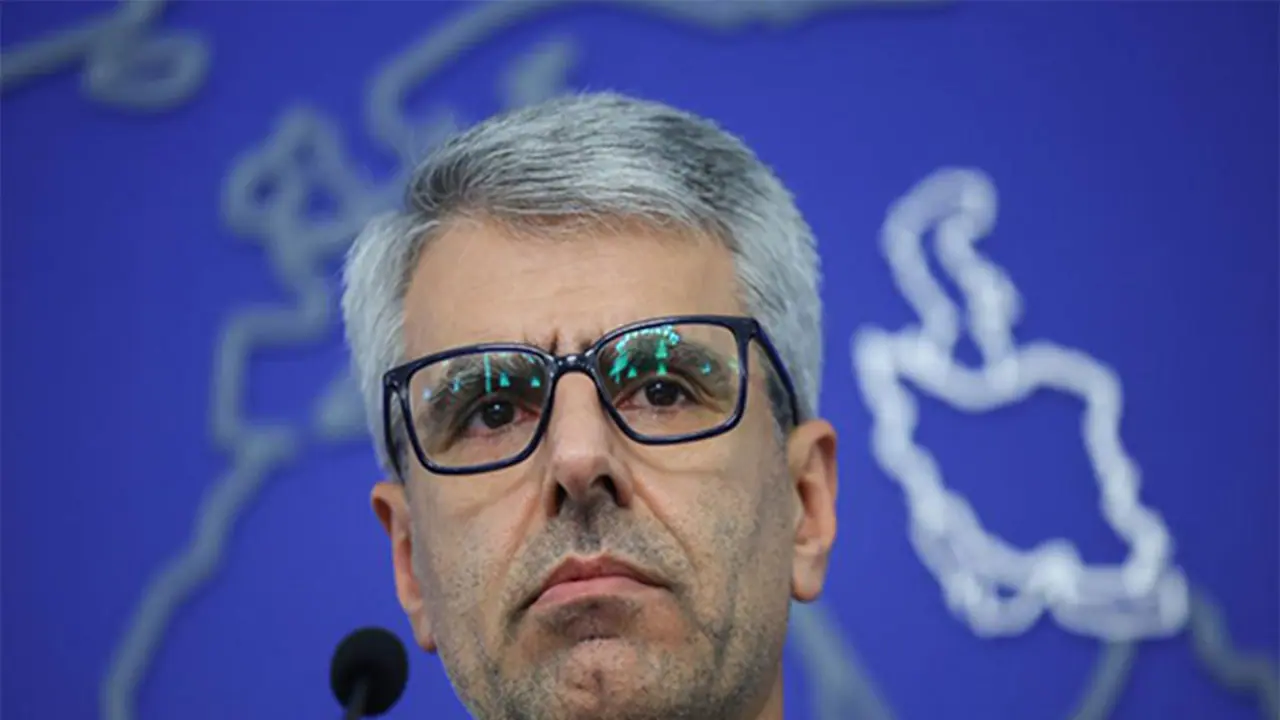
Iran's Foreign Ministry spokesperson Esmail Baghaei told state television, "Tehran has said goodbye to the language of 'must' 47 years ago. None of the Western parties can use the language of 'must' when they talk about the Islamic Republic of Iran. We make our own decisions based on the interests and rights of the Iranian nation."
Dispute Over Naval Blockade Claims
His remarks came after US President Donald Trump claimed on social media that the naval blockade in the Strait of Hormuz was being lifted and that a decision on an agreement with Iran would be taken soon. "Ships caught in the Strait due to our amazing and unprecedented Naval Blockade, which will now be lifted, may start the process of "heading home!" Say HELLO to your wives, husbands, parents, and families from me, your favorite President!" Trump said.
Baghaei described the US maritime measures as "illegal from the start," alleging that they violated the ceasefire that took effect on April 8 and international principles governing freedom of navigation, Press TV reported. "We have to see in practice whether they will actually follow through on their words or if this is just a propaganda claim," he said, adding that any reversal of the measures would amount to ending an action that "should never have been committed in the first place."
Iran had tightened controls in the Strait of Hormuz following the conflict that began on February 28 and subsequent US measures targeting Iranian vessels and ports, according to Iranian authorities. Baghaei said Tehran views the US actions as inconsistent with the terms of the ceasefire and claimed that some measures had been extended unilaterally by Washington.
Indirect Talks Continue, Nuclear Issue Excluded
He also said indirect talks between Iran and the United States are continuing through mediators, with discussions focused on ending hostilities, addressing maritime issues and resolving matters related to Iranian assets abroad. Speaking on the most vital topic of the deal, Baghaei said, "Regarding the nuclear issue, we have no negotiations."The US President, on the other hand, has repeatedly claimed that the US has made it clear to Tehran that it cannot continue its uranium enrichment programme to develop nuclear weapons.
Tensions Regarding Strait of Hormuz
Referring to the Strait of Hormuz, Baghaei said the waterway lies within the territorial waters of Iran and Oman and stressed the need for mechanisms that safeguard the interests and security of both coastal states while ensuring safe passage for international shipping, Press TV reported. "Certainly Iran and Oman, as two responsible countries, must adopt mechanisms that preserve their national interests and security as coastal states and also give the international community assurance that shipping through this route is conducted safely," he said.
However, the US had earlier warned Oman against any involvement in allegedly facilitating a tolling system in the Strait of Hormuz with Iran, stating that Washington will not tolerate such efforts and will take action against those involved.
Later, US Treasury Secretary Scott Bessent said that Oman assured him that it has no plans to put a toll on the Strait of Hormuz with Iran and wants to continue the good relations between the two countries.
'No Trust in Guarantees or Words': Iranian Speaker
Meanwhile, Iran's Parliament speaker Mohammad Bagher Ghalibaf said that Iran has "no trust in guarantees or words" of the US, stating that the actions will only decide the fate of the ceasefire agreement. "We seize concessions not through dialogue, but with missiles; in negotiations, we merely make them understand. We have no trust in guarantees or words--only actions are the measure. No action will be taken before the other side acts. The winner of any agreement is the one who is better prepared for war from the day after," he said. (ANI)
(Except for the headline, this story has not been edited by Asianet Newsable English staff and is published from a syndicated feed.)