Iran is preparing to execute 26-year-old protester Erfan Soltani, the first reported hanging tied to recent anti-regime demonstrations. He was sentenced to death for “waging war against God” after being denied legal rights and a fair trial.
Iran is preparing to execute 26-year-old protester Erfan Soltani, in what human rights groups and international media are calling the first reported hanging tied directly to the ongoing anti-Khamenei protests sweeping the country.
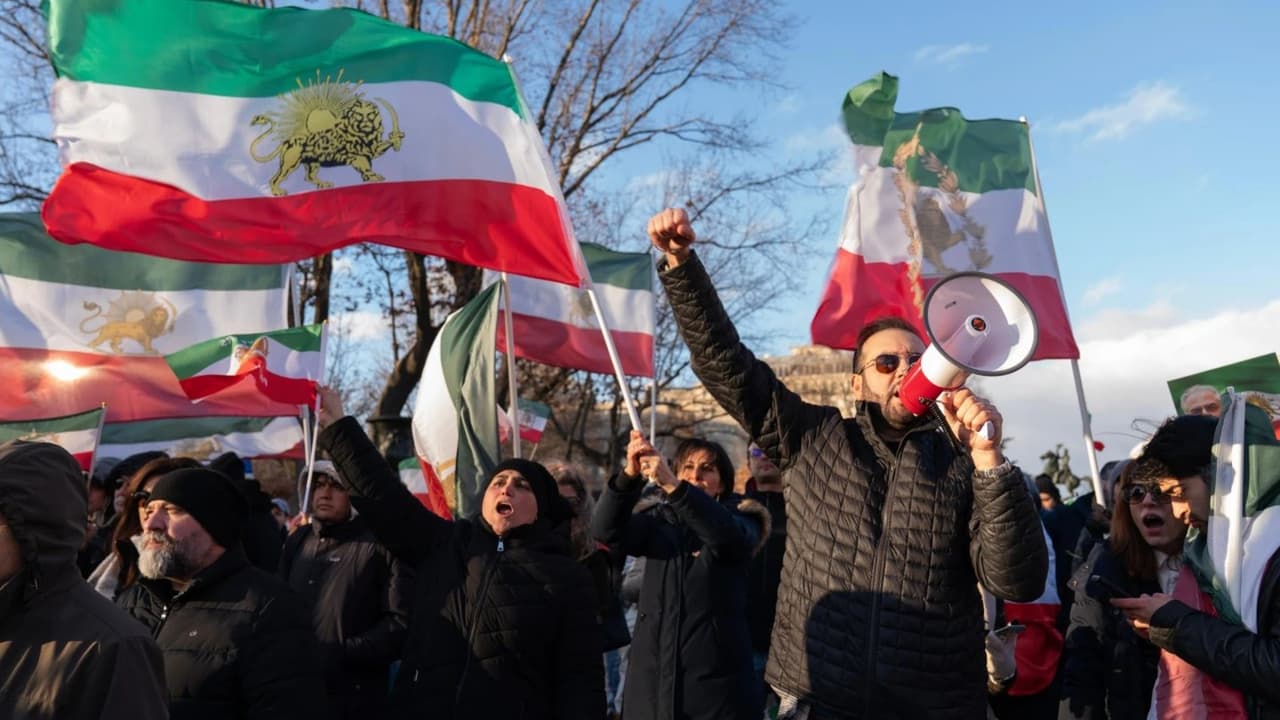
Soltani, a resident of Fardis in Karaj near Tehran, was reportedly arrested on January 8, 2026, after participating in mass demonstrations against the regime of Supreme Leader Ayatollah Ali Khamenei. These protests, which began in late December 2025 amid economic hardship, rising inflation and currency collapse, have rapidly evolved into one of Iran’s largest nationwide movements in years, with citizens calling for political change and an end to clerical rule.
According to the Hengaw Organisation for Human Rights and other rights groups, Soltani has been denied basic legal rights throughout his detention. He was reportedly refused access to a lawyer, and his family was not informed which authorities had taken him into custody.
Related Articles

Efforts by his sister, a licensed lawyer, to review the case and mount a legal defence have been thwarted, with authorities denying her access to his file and the right to represent him. Soltani’s relatives were informed on January 11 that he had been sentenced to death and were allowed only a brief, 10-minute final visit before the scheduled execution.
The charges against Soltani reportedly include “waging war against God”, a capital offence under Iranian law often used to target political opponents and protesters. Rights advocates warn that the swift death sentence, issued with minimal transparency or due process, represents a troubling escalation in the authorities’ efforts to suppress dissent.
Human rights organisations fear that Soltani’s execution could mark the beginning of a broader campaign of fast-tracked capital punishment against demonstrators as the regime seeks to intimidate citizens and quell further protests.
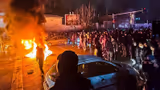
The protests have been met with a harsh crackdown by Iranian security forces, resulting in hundreds of deaths and thousands of arrests across numerous cities. Independent estimates and rights groups suggest significant casualties, though exact figures vary due to strict information controls and an internet blackout imposed by authorities.
International reaction to Soltani’s case has been swift, with activists, legal experts and diaspora groups condemning the imminent execution and calling for global pressure on Tehran to halt the sentence and uphold fundamental legal rights. Some commentators caution that without intervention or widespread international attention, Iran could use executions like Soltani’s as deterrents, sending a chilling message to protesters and amplifying repression.