
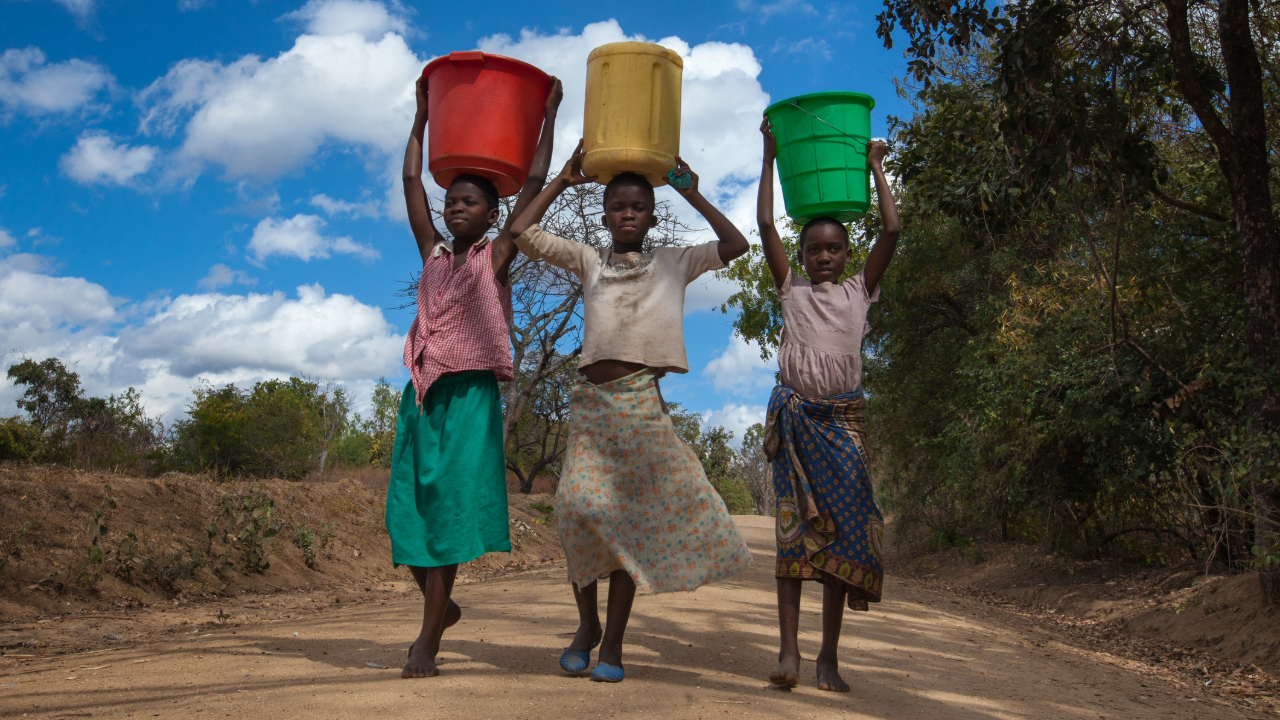
A new assessment highlights how worsening climate pressures are extending beyond environmental damage, influencing family decisions, health outcomes and the futures of millions of girls in vulnerable communities.
Climate-related disasters are increasingly affecting the lives of girls and young women, with new findings suggesting rising links between environmental crises, early marriage, unintended pregnancies and gender-based violence.
The issue has gained renewed attention as policymakers and climate negotiators gather for international meetings in the Pacific region, where communities are confronting the growing impacts of rising temperatures, extreme weather and sea-level rise.
According to a new assessment by Plan International, climate events such as droughts, floods, cyclones and prolonged heatwaves are disrupting essential services that many girls rely on, while also increasing financial pressure on households already facing difficult conditions.
The report is based on interviews with 5,000 girls and young women aged 15 to 24 across Bangladesh, Kenya, Peru, Senegal and Zimbabwe.
Researchers found that climate-related disruptions are affecting education, healthcare access and family stability, creating conditions that can increase risks for adolescent girls.
Among the survey participants, one in ten reported experiencing an unintended pregnancy following a climate-related event. Additionally, one-third said unintended pregnancies had become more common within their communities after such incidents.
The findings point to wider social consequences of climate change that extend beyond environmental and economic impacts.
Researchers noted that girls are often among the most vulnerable groups when households face prolonged financial stress, crop losses, displacement or disruptions to public services.
The report was released ahead of the International Day of the Girl Child, observed annually on October 11.
Economic Stress Linked To Social Risks
One of the strongest themes identified in the study was the pressure climate-related events place on family livelihoods.
Nine out of ten respondents said environmental disruptions were creating serious challenges for their family's health, stability and ability to meet basic needs.
The report also highlighted concerns surrounding child marriage.
According to the findings, prolonged droughts appear particularly associated with increases in early marriages and informal unions. Researchers suggested that as families lose agricultural income, livestock and other sources of support over extended periods, some may view marriage as a coping mechanism during financial hardship.
The issue was especially notable in regions repeatedly exposed to climate-related stress. Violence against women and girls also emerged as a concern.
Overall, 28 per cent of respondents reported seeing increases in such violence following climate events. The figure was substantially higher in Zimbabwe, where many survey participants linked worsening environmental conditions with greater social and economic strain.
The findings contribute to a growing body of research examining how climate pressures intersect with broader development and gender issues.
Health And Climate Concerns Gain International Attention
The report coincides with wider discussions about climate impacts on health taking place ahead of COP31.
Climate officials and health experts have increasingly highlighted how extreme temperatures affect vulnerable populations, including pregnant women.
Recent discussions have drawn attention to research linking prolonged heat exposure during pregnancy with increased risks of complications, including premature birth, low birth weight and other maternal health challenges.
Pacific nations hosting pre-COP climate discussions have also emphasized the broader consequences of climate change for vulnerable communities.
Countries throughout the region continue to confront threats from rising seas, higher temperatures and environmental changes affecting livelihoods and infrastructure.
Officials from climate-vulnerable nations have called for stronger international support, particularly in areas related to adaptation and resilience.
According to recent estimates referenced during climate discussions, developing countries require significantly more funding for adaptation measures than is currently available.
For many communities, addressing climate impacts increasingly involves more than protecting infrastructure or managing environmental risks.
The latest findings suggest that climate disruptions are also influencing social outcomes, healthcare access and opportunities for young people.
As governments prepare for the next round of global climate negotiations, advocates argue that the needs of girls and young women should be considered more directly within adaptation and resilience strategies.
The report concludes that climate events are not only reshaping landscapes and economies but also affecting family decisions and life outcomes in ways that can have long-term consequences for future generations.
