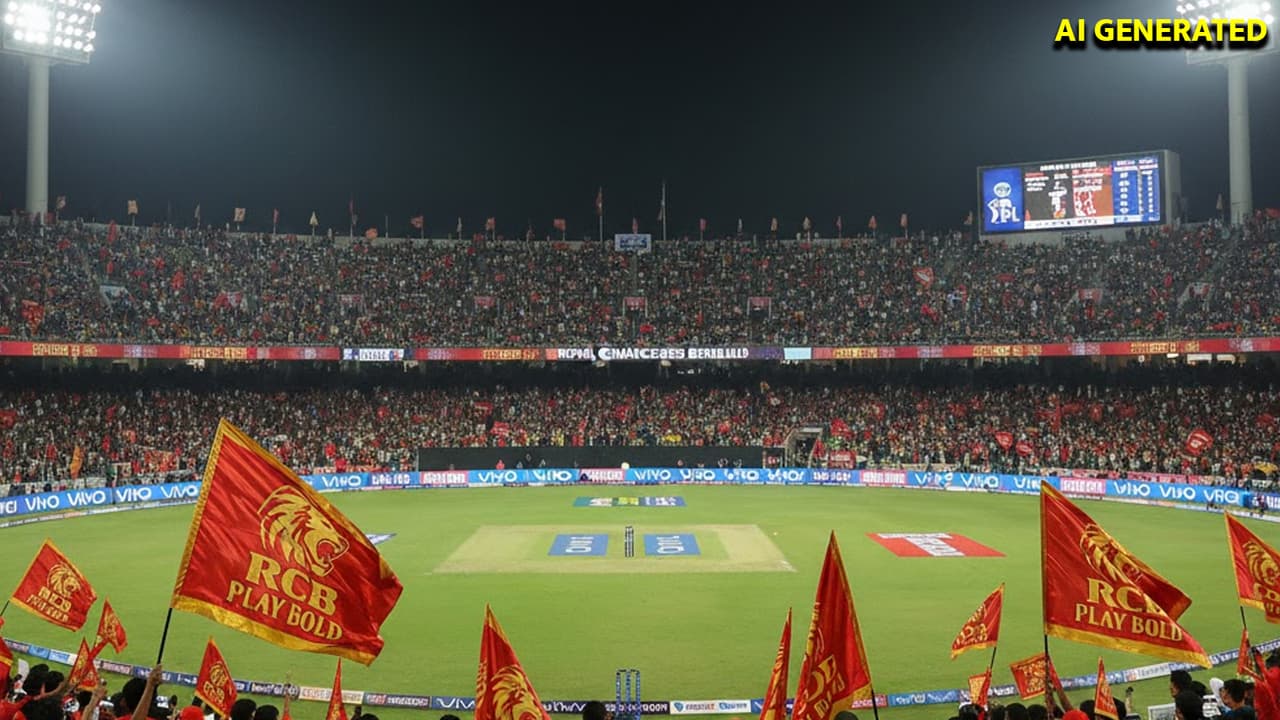
Bangladesh’s suspension of IPL broadcasts has raised questions about its wider impact. With media rights already secured and contracts in place, the development shows how cricket’s commercial ecosystem responds to regional restrictions, challenges.
Bangladesh’s decision to suspend broadcasts of the Indian Premier League (IPL) has prompted questions about potential financial losses for the Board of Control for Cricket in India (BCCI). However, the impact on BCCI is negligible, as the board has already secured its media rights revenue for the 2023–2027 cycle.
The BCCI sold IPL media rights for a record ₹48,390 crore to multiple broadcasters across regions. These contracts ensure guaranteed payments regardless of local restrictions, bans, or political developments. As a result, the suspension of IPL telecasts in Bangladesh does not affect the board’s revenue stream.
The broadcaster most directly impacted is T Sports, the Bangladeshi channel that acquired IPL rights through Viacom18. Unlike BCCI, which receives its payments upfront under binding agreements, T Sports faces the challenge of airing content it cannot broadcast domestically. The contractual arrangement with Viacom18 requires payment irrespective of external factors, meaning the financial burden lies with the channel rather than the Indian cricket board.
Related Articles

Industry estimates suggest that advertisers in Bangladesh may lose between ₹200 crore and ₹300 crore in potential exposure due to the ban. These losses stem from missed opportunities to reach audiences during one of the world’s most lucrative cricket tournaments. For advertisers, the suspension represents a significant setback, particularly given the IPL’s popularity and high viewership across South Asia.
In contrast, the scale of IPL’s overall revenue dwarfs these figures. With more than ₹48,000 crore generated from media rights alone, the tournament’s financial ecosystem remains secure. The guaranteed contracts protect BCCI from regional disruptions, ensuring that the board continues to benefit from its long-term agreements with broadcasters.
The situation highlights the resilience of the IPL’s commercial model. By selling rights in advance and distributing them across multiple broadcasters, BCCI has insulated itself from localized bans or restrictions. While individual broadcasters and advertisers may face challenges, the central revenue stream remains unaffected.