
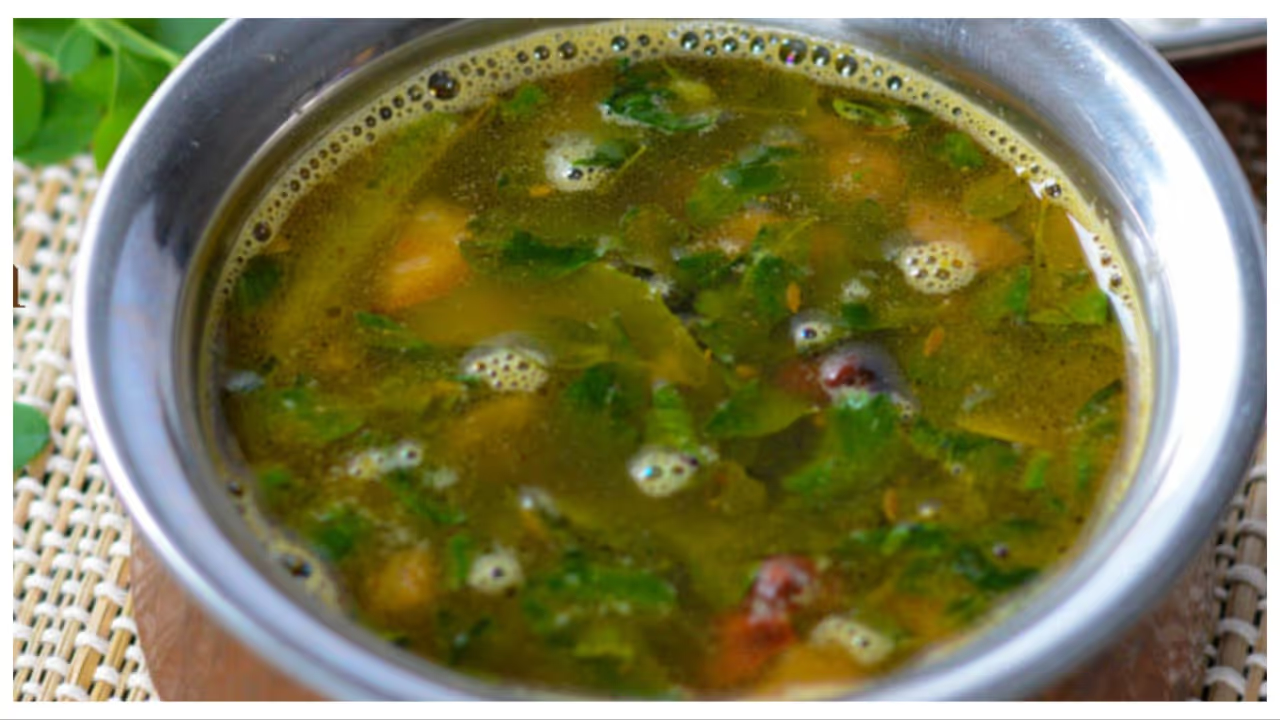
Traditional fermented Indian foods like dahi, kanji and fermented rice support gut health naturally without expensive probiotics. This feature explores microbiome science, why everyday kitchens may build stronger digestion and immunity.
Gut health has quietly become one of the most profitable wellness industries of the decade. Shelves are lined with probiotic capsules, powdered blends and fermented drinks that promise better digestion, stronger immunity, glowing skin and sharper focus. The language is scientific. The pricing is premium. And the suggestion is clear: health is something you now purchase.
Yet long before gut bacteria became marketing language, Indian households were already nurturing microbial health through ordinary food practices. Fermentation was not wellness. It was simply how food was prepared, preserved and consumed. Dahi was set every morning. Batter rested overnight. Rice was soaked and fermented in summer. Pickles matured over weeks. These routines quietly supported digestion without anyone calling it a microbiome.
What modern research is now confirming is that these traditional habits were not accidental. Fermented foods influence the community of microorganisms living in the gut, which plays a role in digestion, immune regulation, inflammation and even mood. Diets that include fermented foods have been shown to increase microbial diversity and reduce markers associated with chronic inflammation. Diversity matters because a resilient gut ecosystem performs better than one dominated by a narrow set of microbes.
Understanding what probiotics actually are helps explain why supplements often fail to deliver what people expect. Scientifically, probiotics are live microorganisms that demonstrate a measurable health benefit when consumed in adequate quantities. That definition is narrow for a reason. Benefits depend on the exact strain, the dose, how the product is stored, and whether the organism survives digestion. A generic capsule does not automatically translate into better gut health for everyone.
Food based fermentation works differently. It does not aim for pharmaceutical precision. It supports the gut through regular exposure to naturally occurring microbes, organic acids and fermentation byproducts while also delivering fiber and nutrients that feed existing bacteria. The impact comes from consistency rather than intensity.
India’s food culture offers a remarkable range of fermented staples that fit seamlessly into daily meals. Dahi and chaas remain among the simplest ways to introduce live cultures into the diet when prepared traditionally and consumed fresh. Idli and dosa batter undergo natural fermentation that improves digestibility and nutrient absorption. Kanji, a seasonal fermented drink made from vegetables, provides lactic acid bacteria along with hydration benefits. In eastern India, fermented rice acts as both cooling food and digestive support. In the Northeast, fermented bamboo shoots and leafy preparations reflect centuries of microbial preservation techniques.
None of these foods are miracle cures. Their strength lies in being ordinary enough to eat regularly. Gut health improves through repeated small inputs, not occasional dramatic interventions.
One important nuance often overlooked is that not all fermented foods contain live microorganisms by the time they are consumed. Heat treatment and commercial processing can eliminate beneficial bacteria. This is why homemade or traditionally prepared foods often behave differently from packaged versions, even when they share the same name. It also explains why some people feel no change after adding fermented foods without paying attention to preparation methods.
Probiotic supplements still have a place in specific medical contexts. Certain strains have evidence for supporting digestive recovery after antibiotics, managing particular bowel disorders or reducing infection risk in controlled populations. But they are not universally helpful, and they are not risk free. Individuals with compromised immunity or complex medical conditions should approach live microbial supplements cautiously and under medical guidance. Sudden increases in fermented foods can also cause discomfort for sensitive digestive systems.
For most healthy adults, a gradual and sustainable approach works better than aggressive supplementation. Introducing one fermented food daily and observing how the body responds allows the nervous system and digestive system to adapt without stress. Pairing fermented foods with fiber rich vegetables, grains and legumes supports microbial growth and stability over time.
The deeper issue is not biological but cultural. Modern wellness culture teaches people to outsource health to products. The body becomes something to optimize through purchases rather than habits. Gut health becomes another consumer identity rather than a daily practice.
But the gut functions like an ecosystem, not a machine. Ecosystems thrive on balance, diversity and steady care. They deteriorate under constant disruption and excessive intervention.
Grandmothers did not speak about microbiota or inflammatory markers. They spoke about eating fresh, letting batter ferment properly, drinking buttermilk in summer and respecting seasonal rhythms. Their wisdom was observational rather than scientific, but it was grounded in lived experience.
Today’s research does not contradict that knowledge. It explains why it worked.
The future of gut health will undoubtedly involve more personalised nutrition, improved clinical probiotics and deeper microbiome mapping. But for most people, the foundation remains remarkably simple. Real food, traditional preparation, patience and consistency create more lasting impact than expensive shortcuts ever will.
Sometimes progress means moving forward with better data. Sometimes it means recognising that the old ways were quietly right all along.
