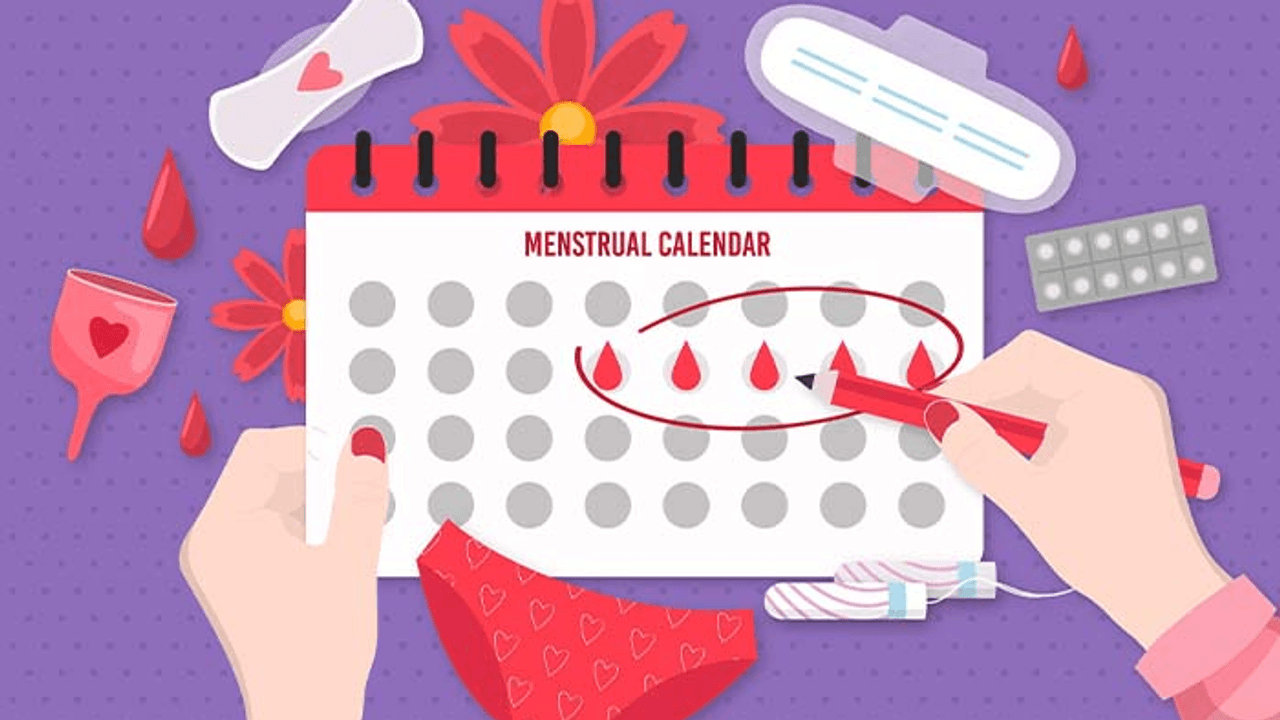
Tracking your menstrual cycle isn’t just about fertility—it plays a crucial role in understanding your overall health. Doctors now emphasize including this data in medical records, as it can reveal early signs of hormonal imbalance.
From menstrual cycle data, doctors are becoming more insistent with giving it as part of women's medical history. After all, period tracking seems mostly relegated to fertility and pregnancy-planning purposes, but experts now recognize it as an important indicator of overall physical and hormonal health.
Here is why menstrual history is important in medicine:
The menstrual cycle relates to reproduction, but it reflects that body's internal homeostasis, hormone levels, and chronic health conditions. Physicians informed that alterations in types of menstrual cycle may present as early warning signs of many underlying health issues like thyroid dysfunction, PCOS, endometriosis, and even many mental health disorders, including anxiety and depression.
Keeping track of cycle length, intensity of flow, regularity, and symptoms such as cramps and fatigue, gives women some idea of their endocrine system functioning. Like blood pressure or heart rate, it is a vital sign in women's health.
Related Articles

Delays in Diagnosis Due to Lack of Menstrual Data
Many gynecological or hormonal diseases could remain undiagnosed for years, according to doctors, because of a lack of discussion on menstrual history during general consultations. Irregular cycles might indicate possible PCOD/PCOS, but since menstrual histories are usually poorly taken, diagnosis often delays. Similar changes in patterns happen when there is a sudden change in the pattern of menstruation, stress, perimenopause, or even autoimmune issues.
Collectively, all this menstrual history contributes significantly towards closing the epidemiological gap for on-time targeted treatment delivery.
Effects Beyond Reproductive Health
Menstrual health also relates to cardiovascular and bone health. Women who suffer from amenorrhea or irregular periods for even longer periods (typically elite athletes or women stressed for long periods) are at greater risk of developing osteoporosis or heart issues possibly because estrogen levels fluctuate. Period tracking is ideal as it brings about preventive planning from healthcare providers rather than just waiting for the serious symptoms to arise.
Tech & Apps Are Taking It to the Next Level
It gets better with period-tracking apps and wearables out there to streamline the user process by syncing cycle data to a personal profile. Most allow users to track symptoms, moods, flow, and sleep patterns. As a result, doctors now encourage women to share their current tracking records with them so they can gain a holistic picture of a patient.
Collectively, all this menstrual history contributes significantly towards closing the epidemiological gap for on-time targeted treatment delivery.
When Does It Bring It Up?
You don't need to go to a gynecologist to discuss your cycle with a health care professional. This is important information that clinicians-all the way from general practitioners to endocrinologists-can use when considering diagnoses for other symptoms such as fatigue, acne, weight gain, or mood swings. Share with experts information, including
Cycle length and regularity
Spotting or heavy flow changes
PMS or unusual symptoms
Any skipped periods or extreme pain
It's not just important- it is crucial to include menstrual cycle data during routine health checkups. With the increased recognition of the value of such data, women are increasingly empowered to take charge of their health in more proactive and informed ways. So the next time when visiting the doctor, do not forget to ask about your cycle-- it may be the key to unlocking vital insights regarding your overall well-being.