Dry Scalp in Winter: In winter, scalp dryness, low humidity, and improper hair care can worsen the problem of dandruff. This article explains some easy, natural remedies that help control dandruff.
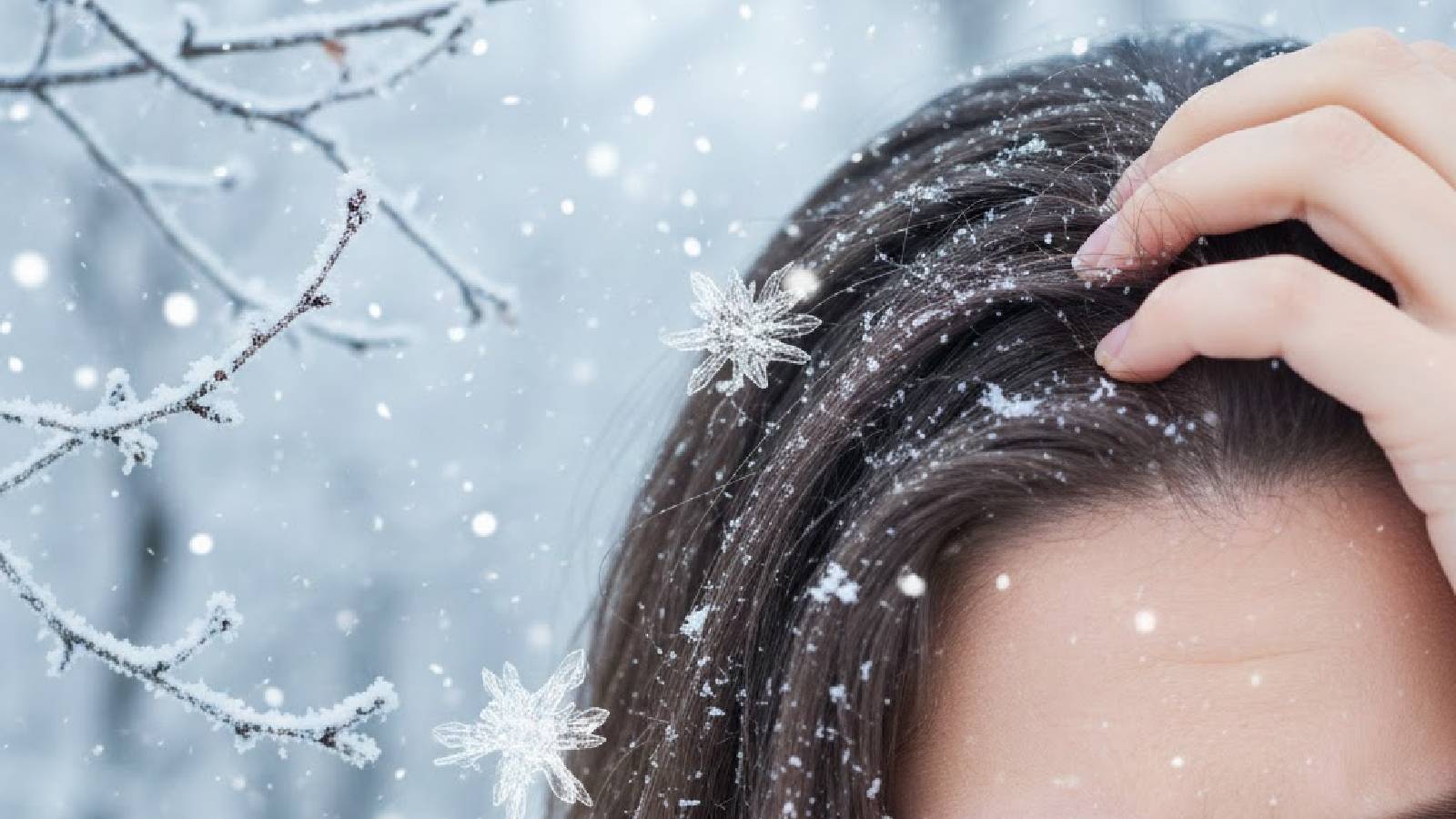
Winter Dandruff Causes: As winter arrives, skin and scalp problems begin to increase. A common issue is dandruff. In cold weather, people often complain of white flakes, itching, and hair loss. Sometimes this problem is mild, but if not cared for properly, it can become severe. Therefore, it's important to know why dandruff increases in winter and how it can be controlled naturally.
Reasons for Increased Dandruff in Winter
In cold weather, the humidity in the air decreases, causing the scalp to become dry. Layers of dead skin accumulate on a dry scalp, leading to dandruff. Additionally, the habit of washing hair with hot water in winter also strips the scalp of its natural oils, increasing dryness and itching. This is why dandruff is more visible during this season.
Related Articles

Fungal Infection and Lack of Sunlight
A primary cause of dandruff is a fungus called Malassezia, which becomes more active in cold weather. The lack of sunlight in winter also affects scalp health, as sunlight is a natural source of Vitamin D. A deficiency in Vitamin D can disrupt the balance of skin cells, which can increase dandruff.
An Incorrect Hair Care Routine is Also a Cause
In winter, people wash their hair less frequently, wear hats or caps more often, and increase their use of hair products. Sweat and dirt build up on the scalp, which increases dandruff. Also, chemical-laden shampoos and frequent styling can cause scalp irritation.
Also read- Baby Girl Short Names: A to Z Two-Word Short Girl Names, You Won't Find a Match in the Family
Natural Ways to Control Dandruff
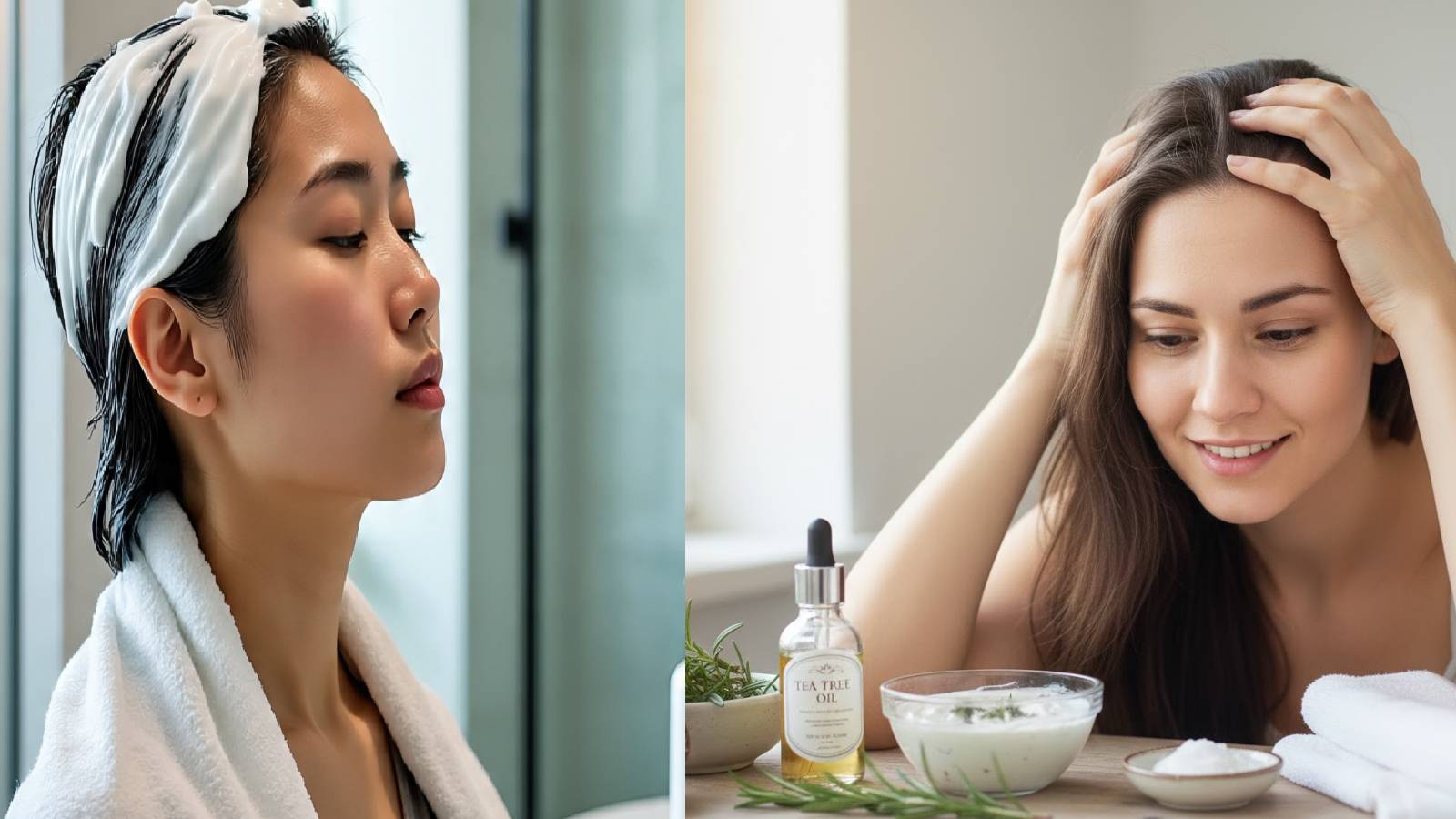
Home remedies can be very effective in providing relief from dandruff. Mix a few drops of tea tree oil with coconut oil and massage it onto your scalp twice a week. Applying aloe vera gel to the scalp reduces itching and dryness. Additionally, a pack of yogurt and lemon can also help control fungal growth. Wash your hair with lukewarm water and use a mild, sulfate-free shampoo.
Pay Attention to Your Diet and Lifestyle
Not just external care, but internal nutrition is also important. Drinking less water in winter can also dry out the skin, so drink plenty of water. Include omega-3 fatty acids, green vegetables, fruits, and nuts in your diet. Reduce stress and get enough sleep, as stress can also increase dandruff.
If dandruff is not controlled even after trying these natural methods, it is best to consult a dermatologist. With proper care and a balanced routine, you can achieve a dandruff-free scalp even in winter.
Also read- If you're losing hair, stop this mistake immediately, 90% of people do this daily