
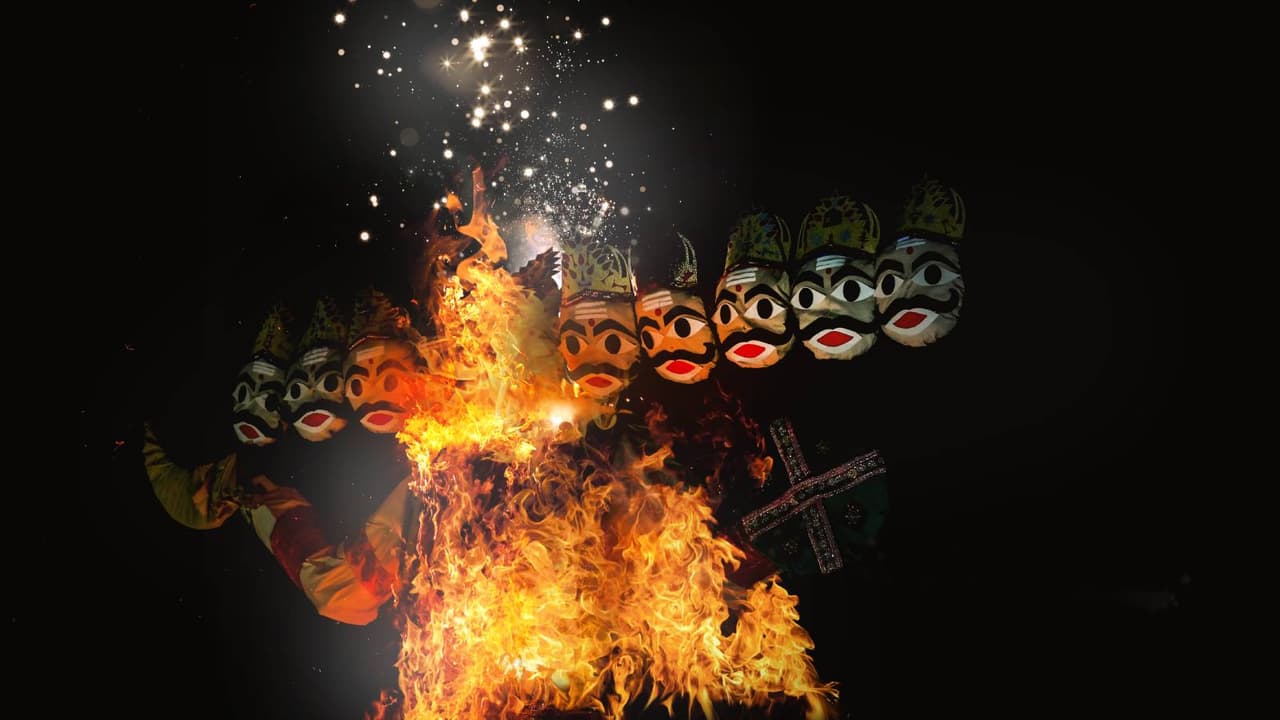
Dussehra takes different forms across India, from Bastar’s 75-day tribal celebration and Mysuru’s royal Chamundeshwari procession to Kullu’s gathering of village deities and North India’s iconic Ravana effigy burning.
For many people, Dussehra is synonymous with towering effigies of Ravana being set ablaze. Yet, across India, the festival takes on vastly different forms, shaped by local beliefs, histories and cultural traditions.
While northern India largely associates Dussehra with Lord Rama’s victory over Ravana, Mysuru celebrates the occasion with a grand tribute to Goddess Chamundeshwari. In Kullu, the festival brings together hundreds of village deities, while Bastar follows a centuries-old tradition that has no Ravana burning at all.
So, what makes Dussehra look so different from one part of the country to another?
Viral Video: 20-Year-Old Allegedly Forced To Marry 67-Year-Old In Bangladesh! (WATCH)
1. Bastar: A Dussehra where Ravana is absent
Bastar offers perhaps the most striking contrast to the way Dussehra is commonly understood elsewhere in India. Here, the festival is not based on Rama’s victory over Ravana, and no Ravana effigy is burned.
Bastar Dussehra is an extended celebration lasting around 75 days and is centred around Maa Danteshwari, local deities and the region’s tribal traditions. Its rituals also carry the influence of Bastar’s royal history.
The celebrations feature ceremonies involving local deities, traditional chariot processions and large-scale community participation. The festival is believed to have a history of around 600 years and has developed into a distinct cultural tradition of the region.
Navratri 2026: Why Number 9 Is Significant During Maa Durga Worship? Find Out Now!
2. Mysuru: A royal celebration dedicated to Chamundeshwari
In Mysuru, Dussehra takes a very different form, with Goddess Chamundeshwari at the heart of the festivities.
Known as Mysuru Dasara, the 10-day celebration combines religious ceremonies with the grandeur associated with the city’s royal past. The highlight is the Jamboo Savari, a spectacular procession in which the idol of Goddess Chamundeshwari is carried in a golden howdah atop a decorated elephant.
The illuminated Mysuru Palace, cultural events and traditional performances add to the spectacle, turning the festival into one of the city’s biggest annual celebrations.
3. Kullu: When village deities gather for Dussehra
Kullu’s Dussehra stands out for another reason. Instead of focusing primarily on Ravana’s defeat, the festival becomes a large gathering of the region’s local deities.
The week-long celebration begins with Lord Raghunath, Kullu’s presiding deity, being brought to Dhalpur ground in a wooden chariot. This is followed by the arrival of more than 200 village deities, who are carried in elaborately decorated palanquins and brought together for the festivities.
The tradition gives Kullu Dussehra a strong community and regional identity, reflecting the religious customs that have developed in the valley over generations.
4. North India: Ramlila and the burning of Ravana
In Delhi and several other parts of northern India, Dussehra is closely associated with the Ramayana. The days leading up to the festival feature Ramlila performances, where episodes from the epic are brought alive through acting, narration, music and dialogue.
The celebrations culminate on Dussehra, when giant effigies of Ravana, and in many places those of Kumbhakarna and Meghnad, are set on fire. The ritual symbolises Lord Rama’s triumph over Ravana and the victory of good over evil.
Ramlila has deep cultural significance in northern India and was recognised by UNESCO in 2008 as part of the Representative List of the Intangible Cultural Heritage of Humanity.
One festival, many traditions
The different forms of Dussehra across India highlight how festivals evolve alongside the communities that celebrate them. Although the broader idea of the triumph of good over evil connects many celebrations, the way that idea is expressed depends heavily on local mythology, deities, history and customs.
From Bastar’s centuries-old rituals and Chamundeshwari’s royal procession in Mysuru to the gathering of deities in Kullu and Ravana’s towering effigies in northern India, Dussehra is not one single celebration but a collection of traditions shaped by India’s remarkable cultural diversity.
