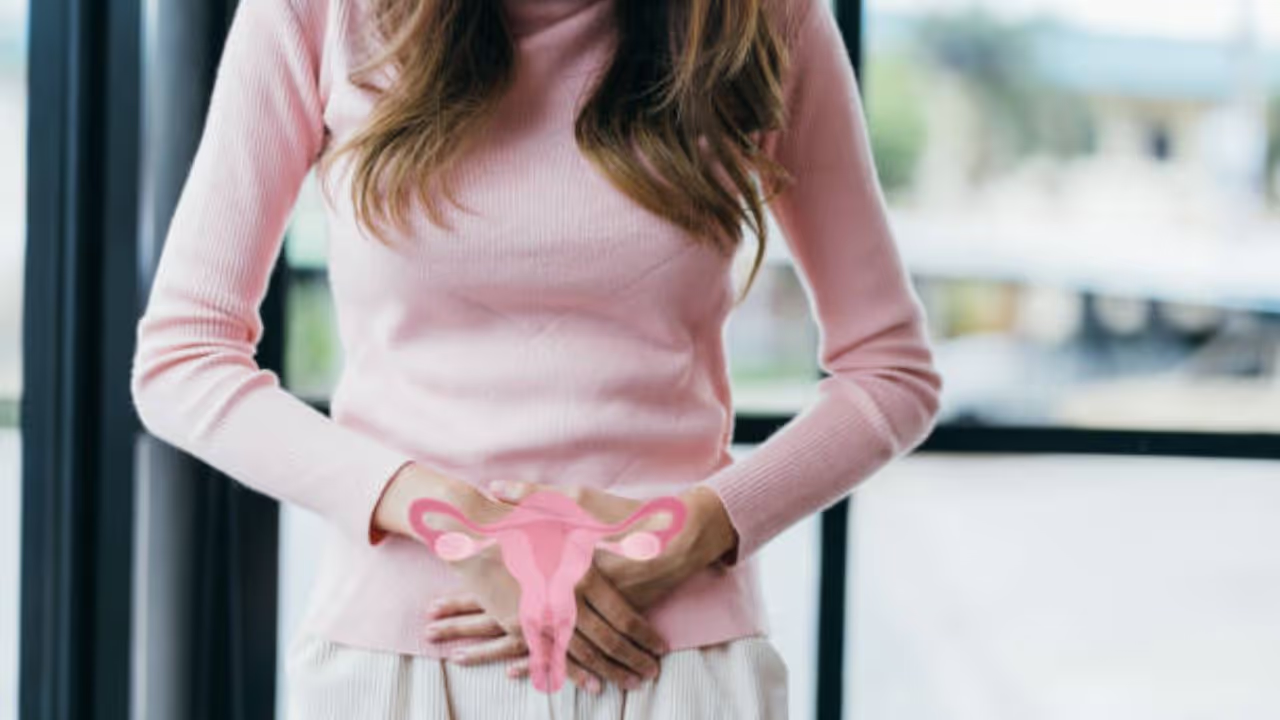
Teenagers are increasingly affected by PCOS, a hormonal disorder causing irregular periods, acne, excessive hair, and weight gain. Linked to insulin resistance, it raises risks of diabetes and heart issues, managed with lifestyle changes.
The number of teenagers being diagnosed with Polycystic Ovary Syndrome (PCOS) is steadily increasing. PCOS is a common hormonal disorder that primarily affects women of reproductive age. It is characterised by irregular menstrual cycles, elevated levels of male hormones (androgens), and the presence of small cysts on the ovaries.
These hormonal imbalances can lead to various symptoms, including acne, excessive hair growth, and infertility. PCOS is often associated with insulin resistance, which can increase the risk of developing type 2 diabetes and cardiovascular complications later in life, making early recognition and management essential.
PCOS Symptoms
Many teenage girls experience irregular menstrual cycles. For some girls, these symptoms may signify an underlying hormonal imbalance known as PCOS. Dr Shweta Mendiratta, a gynecologist at Yatharth Hospital in Faridabad, said that it affects 1 in 10 women of reproductive age.
Related Articles

The first symptom is a girl having irregular periods. Other symptoms to watch for are acne, excessive hair growth, and weight gain. These symptoms are indicative of PCOS.
Many teenage girls might ignore specific physical symptoms, thinking they are common problems of adolescence. For example, acne can be a symptom of PCOS. Additionally, unexplained weight gain, especially around the abdomen, along with dark patches on the skin known as acanthosis nigricans, can indicate insulin resistance. Dr. Shweta said this is associated with PCOS.
Lifestyle Changes
PCOS doesn't just affect reproductive health. It is closely linked to insulin resistance, which can lead to obesity, pre-diabetes, and type 2 diabetes later in life. Long-term problems include cardiovascular issues and reproductive difficulties.
The American Psychiatric Association states that lifestyle changes can help reduce PCOS symptoms. Eating a balanced diet, exercising regularly, getting good sleep, and managing stress are important for balancing hormones and improving insulin sensitivity.