

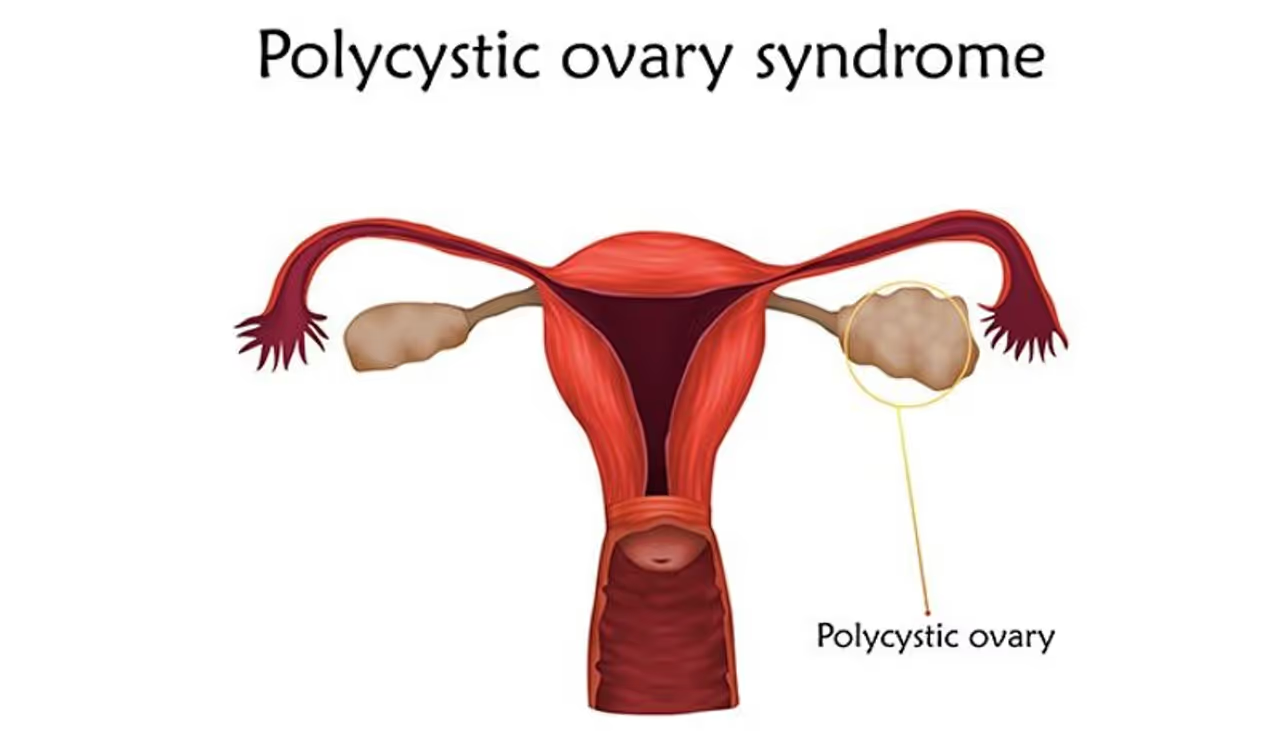
Polycystic ovary syndrome (PCOS) is a complex hormonal disorder that requires medical attention. While there is no known cure for PCOS, certain lifestyle changes and natural remedies can help manage symptoms and improve overall well-being. Here are some steps you can take.
Seeking natural ways to manage PCOS? Explore this comprehensive guide to discover effective strategies for alleviating symptoms and promoting overall well-being. From adopting a healthy diet and engaging in regular exercise to practising stress management techniques and maintaining a healthy weight, these natural approaches can help you take control of your PCOS journey. Additionally, learn about the potential benefits of herbal supplements, the importance of quality sleep, and the necessity of regular medical check-ups. By implementing these natural remedies, you can empower yourself to manage PCOS better and improve your quality of life.
Polycystic ovary syndrome (PCOS) is a complex hormonal disorder that requires medical attention. While there is no known cure for PCOS, certain lifestyle changes and natural remedies can help manage symptoms and improve overall well-being. Here are some steps you can take:
Also Read: Sheet masks to exfoliation-9 simple tips to get Korean glass skin
Healthy diet:
- Adopt a well-balanced diet that includes plenty of fruits and vegetables, whole grains, lean meats, and healthy fats.
- Avoid processed foods, sugary snacks, and drinks.
- Focus on foods with a low glycemic index to help regulate insulin levels.
Regular exercise: Regular physical activity promotes weight management and improves insulin sensitivity. Aim for at least 150 minutes of moderate-intensity aerobic exercise per week.
Stress management: Chronic stress can worsen PCOS symptoms. Incorporate stress-reducing activities like yoga, meditation, deep breathing exercises, or engaging in hobbies you enjoy.

Weight management: Maintaining a healthy weight can help regulate hormone levels. If overweight, losing even a small percentage of body weight can positively affect PCOS symptoms.
Herbal supplements: Some herbs and supplements like cinnamon, spearmint tea, inositol, and omega-3 fatty acids may help manage certain PCOS symptoms. However, consult with a healthcare professional before starting any new supplements.
Sleep: Prioritize quality sleep to support hormonal balance. Create a pleasant nighttime routine and a comfortable sleeping environment by sticking to a regular sleep schedule.

Regular medical check-ups: PCOS requires ongoing medical management. Consult a healthcare professional specialising in PCOS to develop a personalized treatment plan and monitor your progress.
Also Read: Quit smoking to exercise-7 ways to reduce cholesterol without medicine
It's important to note that while these natural remedies may help manage symptoms, they are not a substitute for professional medical advice. PCOS is a complex condition that requires individualized care. Always consult a healthcare professional for an accurate diagnosis and guidance tailored to your needs.
