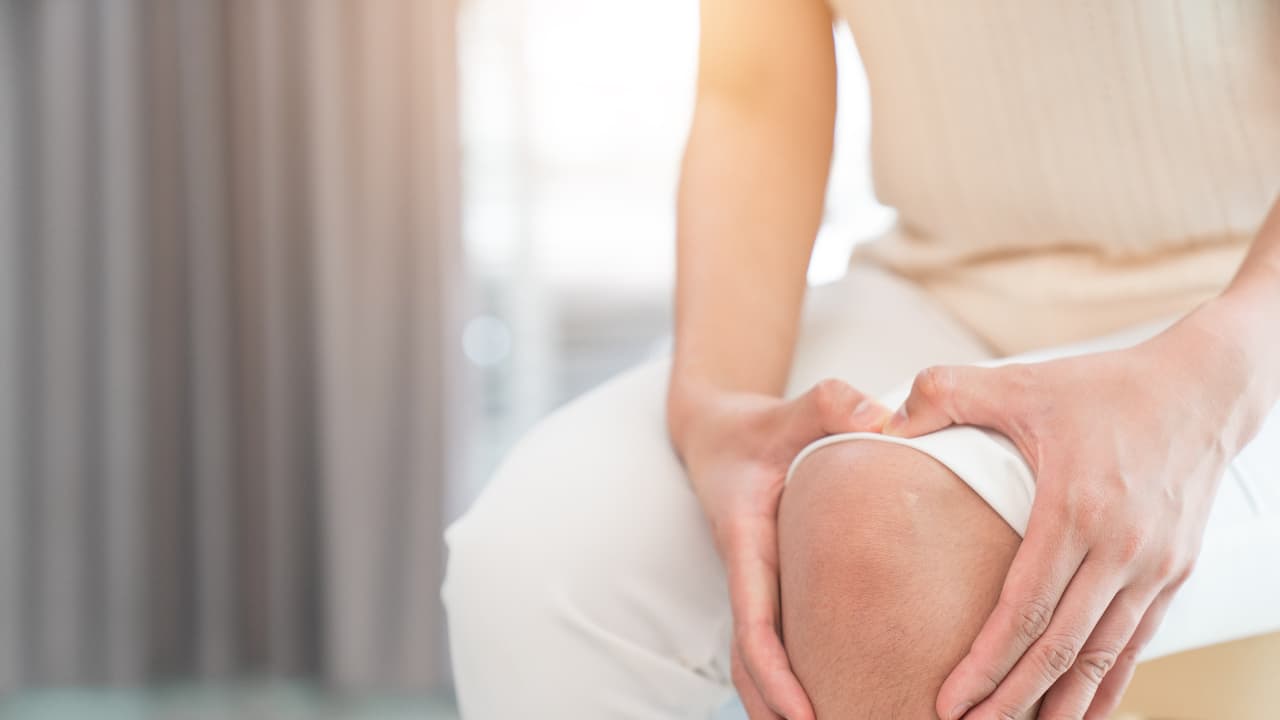
Sitting cross-legged can put the knees in deep flexion and may worsen discomfort in people with existing joint problems. Know the possible health risks, warning signs and when knee pain needs attention.
Sitting cross-legged on the floor to chat, eat, or pray is a very normal thing in our homes. But people dealing with knee pain, osteoarthritis, or rheumatoid arthritis often have one big doubt. Can we still sit like this? Orthopedic experts have a clear answer. If you have arthritis problems, you must completely avoid sitting cross-legged on the floor.
The danger of sitting cross-legged
The main reason is simple. When you sit like this, your entire body weight falls directly on your joints. Your knees bend anywhere from 120 to 140 degrees. This puts massive pressure on the cartilage inside your joints. For people whose cartilage is already wearing out, this extra pressure will multiply their pain, swelling, and joint stiffness.
Many people think sitting cross-legged gives the joints a good workout. But for arthritis patients, it does the exact opposite. If you sit like this for a long time, blood flow to the joints drops. Your legs will go numb, and you will feel severe pain when you try to stand up.
Related Articles

Planning Goa Trip? Your Complete Essentials Packing Checklist For Hassle-Free Holiday
For people with swollen joints
This posture is especially dangerous for people who already have joint swelling or find it hard to climb stairs. It makes joint wear and tear happen much faster. Sometimes, there is even a risk of the joint getting locked. Rheumatoid arthritis patients already suffer from joint swelling. Sitting on the floor will only make that swelling worse.
So, how should arthritis patients sit? Doctors always recommend sitting on a chair. When you sit on a chair, your knees stay at a safe 90-degree angle. This reduces the pressure on your joints. You should check your chair height too. Your feet must rest flat on the floor, and your knees should be slightly below your hip level. If you absolutely have to sit on the floor, you can sit with your legs stretched out straight or lean back against a wall.
Sore Throat, Cough Bothering You? Try These 3 Home Made Warm Soup Recipes To Get Relief
Sitting with stretched legs is a good alternative
But remember, you should not sit like that for too long either. Do not sit in one single place for hours. Get up and walk around a bit every 30 to 40 minutes. Keeping a pillow under your knees while sitting with stretched legs is another good option. Finally, keep in mind that sitting properly is just one part. Keeping your body weight in check, doing proper physiotherapy, and following your doctor's advice are very important to reduce knee pain.
Do You Get Headaches Only on Weekends? Here’s What Your Body May Be Reacting To