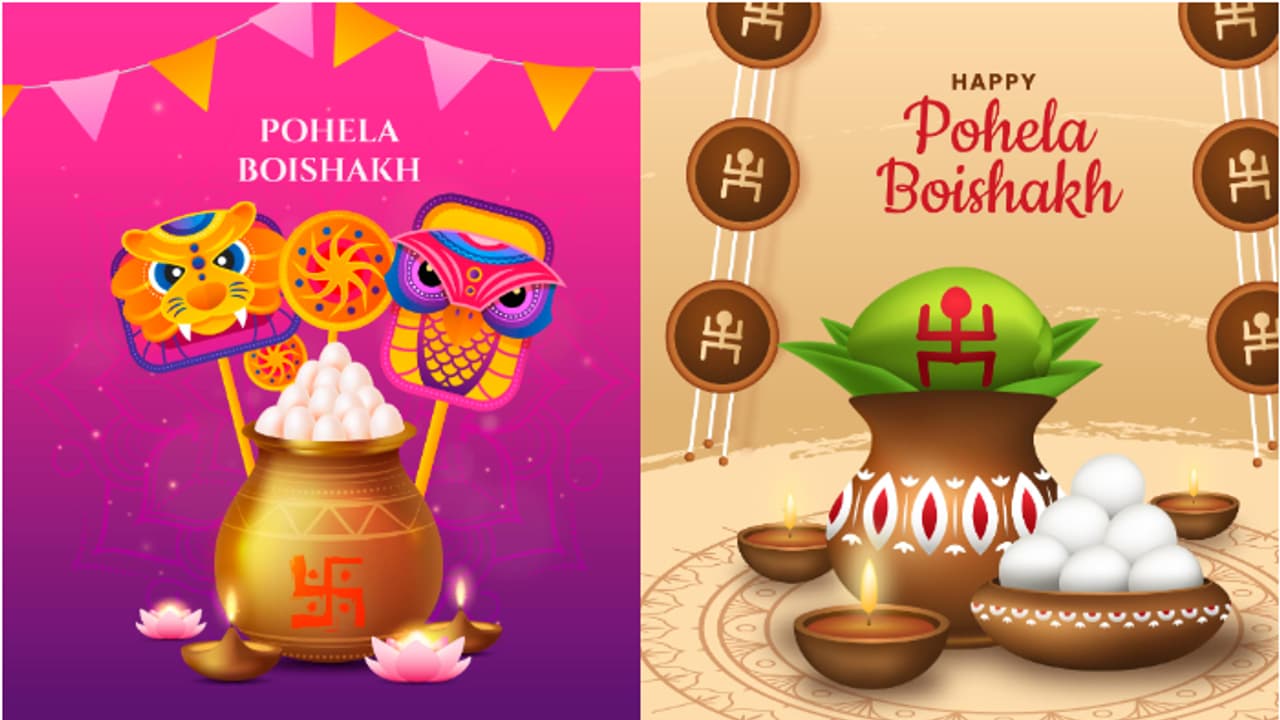
Pohela Boishakh 2026 Date: Find out when Pohela Boishakh will be celebrated, as well as the rituals and cultural importance that symbolise new beginnings.
Pohela Boishakh 2026 Date: The Bengali New Year is celebrated with great excitement in West Bengal, Bangladesh, and among Bengali people worldwide. This year's Pohela Boishakh will be held on April 15, 2026.
What is Pohela Boishakh?
Pohela Boishakh, also known as Poila Baisakh, marks the Bengali New Year and is one of the most significant cultural festivals for Bengalis across India and Bangladesh. Celebrated with enthusiasm and joy, the day symbolises new beginnings, prosperity, and togetherness. It is the first day of the Bengali calendar month of Boishakh, deeply rooted in tradition and heritage.

Related Articles

Pohela Boishakh 2026 Date and Timings
In 2026, Pohela Boishakh will be celebrated on April 15, while the Sankranti moment falls on April 14 at around 9:39 AM.
The festival typically falls between April 14 and April 15 every year, depending on regional calendar calculations. It aligns with the solar calendar and coincides with other harvest-based New Year festivals across India.
Rituals and Traditions
Pohela Boishakh is marked by a blend of religious and cultural rituals. The day usually begins with cleaning homes, symbolising the removal of negativity and the welcome of positivity. People wear new traditional outfits—often red and white—and decorate their homes with beautiful alpana (rangoli designs).
Families visit temples and offer prayers to deities like Goddess Lakshmi and Lord Ganesha for prosperity and success in the new year. Another key tradition is Haal Khata, where businesses open new account books and seek blessings for financial growth.
The celebrations also include cultural programs, music, dance, and community gatherings, making it a vibrant social occasion.
Festive Food and Celebrations
Food plays a central role in Pohela Boishakh celebrations. Families prepare elaborate meals featuring traditional Bengali dishes like luchi, kosha mangsho, fish curries, and sweets like mishti doi and sandesh.
It is also a time for social bonding—people visit relatives, exchange greetings like Shubho Noboborsho (Happy New Year), and enjoy festive feasts together.
History and Cultural Significance
The origins of Pohela Boishakh are often linked to the Mughal era, particularly during the reign of Emperor Akbar. To streamline tax collection with the agricultural cycle, a new calendar was introduced, which later evolved into the Bengali calendar.
Over time, the festival transformed into a cultural celebration that transcends religion, bringing people together in a shared spirit of renewal and joy. It also reflects the agrarian roots of Bengal, marking the beginning of a new harvest cycle.

Why Pohela Boishakh Matters
Beyond rituals and celebrations, Pohela Boishakh represents hope, renewal, and a fresh start. It encourages people to leave behind past struggles and welcome the future with optimism.
Whether through prayers, food, or cultural festivities, the essence of the festival lies in unity and positivity—making it a truly special occasion for Bengalis worldwide.