Chapati without rolling pin: Instead of kneading, this method uses a smooth batter to make chapatis. Surprisingly, they puff up on the pan just like traditional ones and are equally soft. This method produces soft chapatis that are claimed to taste.
People's lifestyles today are such that there's no time to knead and roll dough. Especially for those living single or beginners learning to cook, making chapati can be a big challenge. But now you don't have to worry. Even if you don't have the art of making chapati, here is a technique that will help you save effort.
YouTuber Sangeeta Tyagi's "no-knead, no-roll" technique is a great solution to this problem. In this method, instead of kneading the dough, a smooth batter is prepared. The surprising thing is that it puffs up on the pan just like a traditional chapati and is just as soft. If you want to save time in the kitchen, you should definitely try this method.
Let's see the method..
As mentioned above, this technique eliminates the need to knead the dough to make chapati. First, put one cup of wheat flour into a mixing bowl. Add a little gram flour and salt for taste and texture. If you want the chapati to be extra soft, you can add a spoonful of oil. Now, add water to the flour little by little.
Related Articles

After making the batter to a dosa-like consistency as shown in the video, do not immediately put it on the pan. Cover and let it rest for at least 10 to 15 minutes. This step is very important because it allows the flour particles to absorb water and set. After 15 minutes, when you stir the batter, it will be even smoother. This prevents the chapati from tearing.
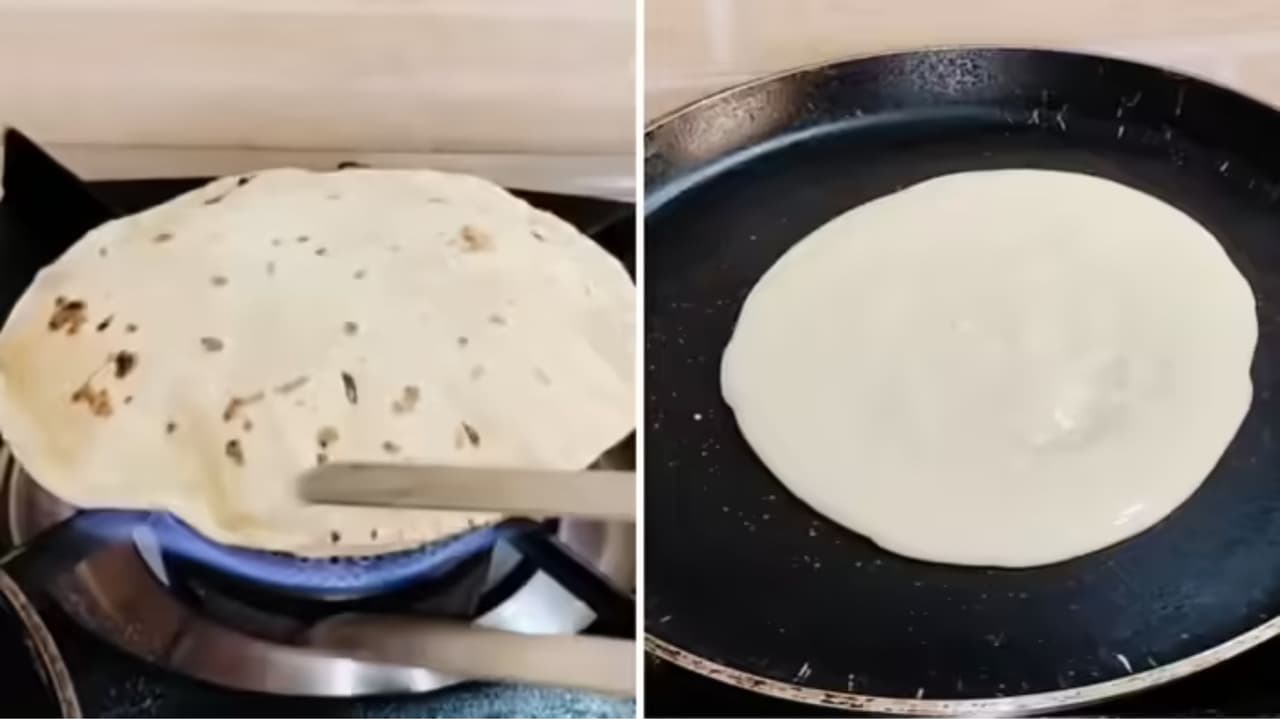
Now, place a non-stick or regular tawa on the stove. Heat it on medium flame. Pour a small amount of batter onto the pan. Spread it in a circular motion like spreading a dosa. You can make the chapati thin or thick according to your preference. Be careful not to let the flame get too high, or the chapati will remain uncooked inside.
Cooking Method
As soon as the top of the chapati starts to look dry and the edges begin to lift from the pan, carefully flip it. Cook the other side until it turns slightly golden brown. According to Sangeeta Tyagi, gently press the chapati with a cotton cloth or a spatula while cooking. This pressure allows the steam inside the chapati to cook it completely.
Once the chapati is well-cooked on both sides, place it directly on the gas flame. You will notice it puffing up like a balloon, just like chapatis made from dough. Sangeeta Tyagi claims that chapatis made this way do not change in taste and aroma and remain soft for a long time.