
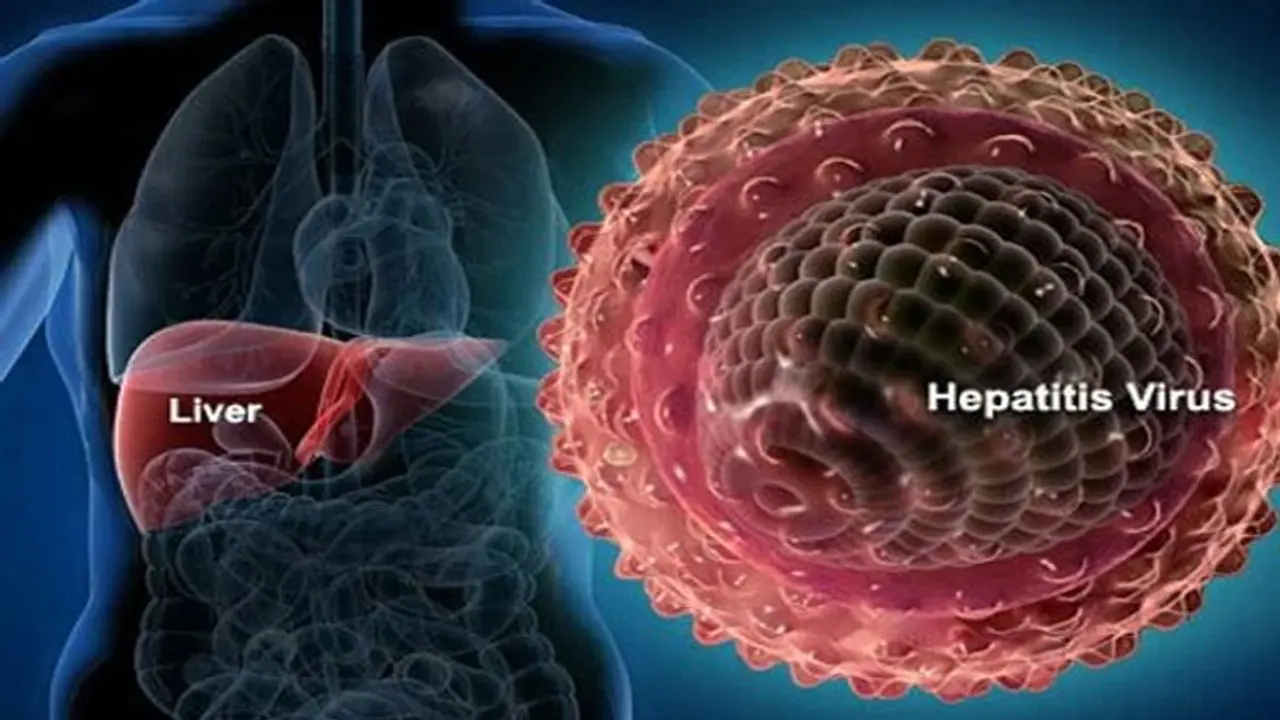
According to the World Health Organization, India has the highest prevalence of hepatitis B infection, affecting an estimated 40 million people.
Hepatitis B and C infections and fatty liver disease are significant public health concerns in India. With a high prevalence of chronic hepatitis B infection and non-alcoholic fatty liver disease (NAFLD), the country faces a formidable challenge in addressing this double burden of liver-related conditions. This article discusses the intersection of hepatitis B and C with fatty liver disease in India and highlights the contributing factors that exacerbate the situation.
Prevalence of Hepatitis B in India
According to the World Health Organization, India has the highest prevalence of hepatitis B infection, affecting an estimated 40 million people. This chronic infection significantly elevates the risk of liver damage and other liver-related complications if left untreated.
Prevalence of Fatty Liver Disease in India
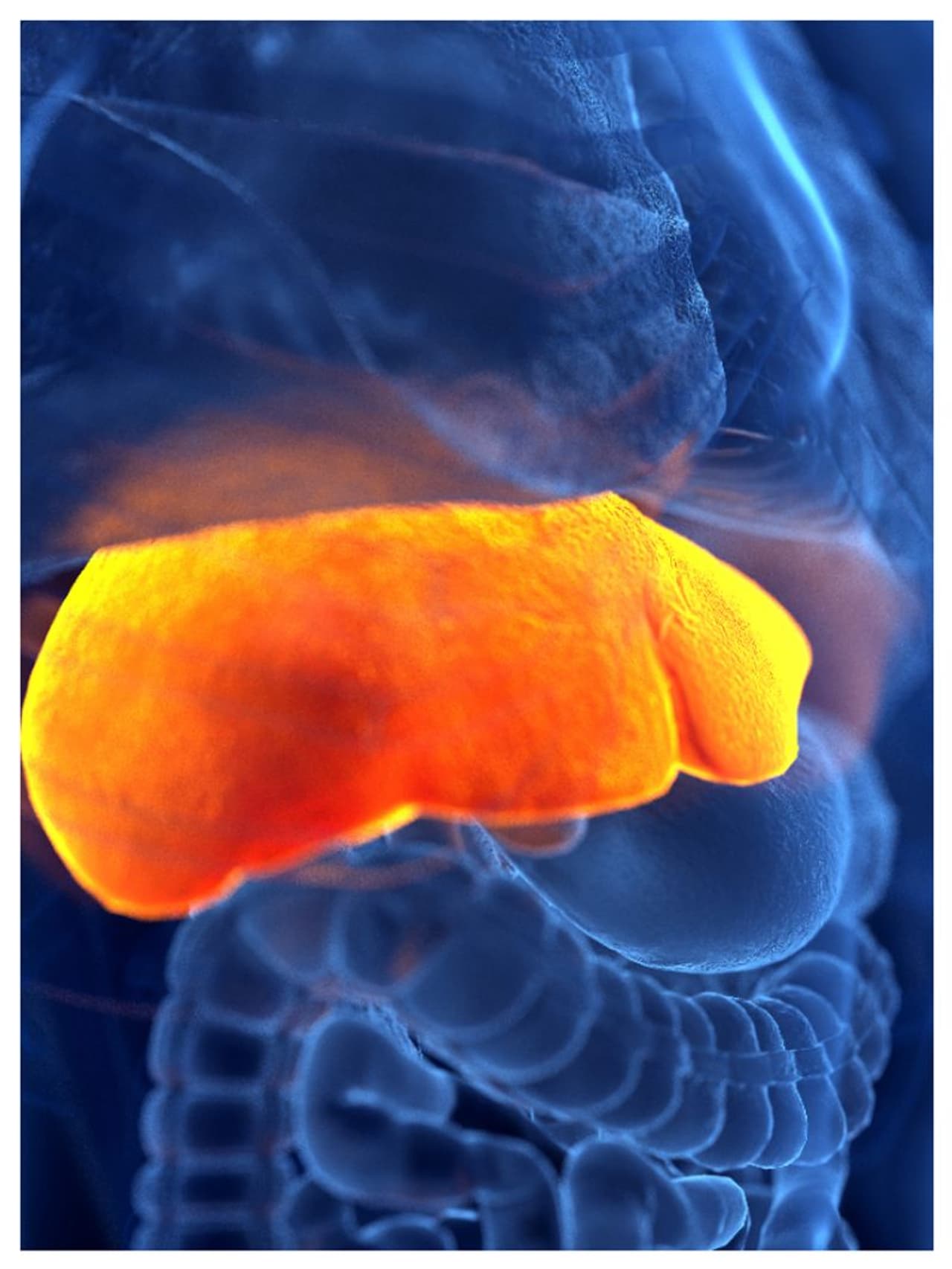
Fatty liver disease, particularly non-alcoholic fatty liver disease (NAFLD), is also alarmingly prevalent in India. Studies have revealed that the prevalence of NAFLD in India ranges between 20% to 30%, surpassing the prevalence rates in countries like the United States. NAFLD is characterized by excessive fat accumulation in the liver, leading to inflammation and potential liver damage.
Association Between Hepatitis B and Fatty Liver Disease
Research has shown a strong association between hepatitis B and fatty liver disease in India. A study published in the journal Nature Medicine indicated that individuals with hepatitis B in India have a significantly higher prevalence of NAFLD, ranging from 50% to 60%. This indicates a substantial overlap of these two liver-related conditions, potentially exacerbating the severity of liver damage and complications.
Also Read: World Hepatitis Day: All you need to know about this infection
Prevention and Treatment
Both hepatitis B and C are preventable and treatable conditions. Hepatitis B can be prevented through vaccination, and it is essential to ensure that individuals at risk, such as healthcare workers and newborns, receive timely vaccinations. Raising awareness about safe practices, such as avoiding sharing needles or personal items like toothbrushes, can help prevent the spread of hepatitis B and C.
Hepatitis C is now considered almost curable, thanks to advancements in medical treatments. Direct-acting antiviral medications have
revolutionized the management of hepatitis C, leading to high cure rates with minimal side effects. Early detection and treatment are crucial in preventing liver disease progression and reducing the risk of long-term complications.
It is crucial to highlight that hepatitis B can be treated in children and even during pregnancy, and very good treatment options are available. Pregnant women with hepatitis B can be effectively managed with antiviral medications, ensuring that the virus is suppressed, and the risk of transmission to the baby is significantly reduced.
Managing Fatty Liver Disease
Fatty liver disease requires awareness and lifestyle modifications to prevent its progression. Individuals can take proactive steps, such as controlling their diet, avoiding packed and junk foods, abstaining from alcohol, and steering clear of aerated drinks. Regular exercise and maintaining a healthy weight can also play a crucial role in managing fatty liver disease.
Debunking Myths
It is essential to dispel myths surrounding hepatitis B and C. Contrary to popular belief, hepatitis B and C are not like HIV but treatable conditions. With appropriate medical management, individuals with hepatitis B and C can lead healthy lives and minimize the risk of transmission to others.
Also Read: Gems from oceans: How sardines provide omega-3 fatty acids
Marriage and Hepatitis B/C Awareness
Hepatitis B and C should not be a barrier to marriage. With proper awareness and preventive measures, individuals with hepatitis B or C can marry and lead fulfilling lives. For instance, vaccinating the partner for hepatitis B before marriage can significantly reduce the risk of transmission.
Hepatitis B in Pregnancy
Contrary to misconceptions, hepatitis B in pregnancy does not necessarily require termination. There are medications available that can effectively manage hepatitis B during pregnancy, ensuring the health and well-being of both the mother and the baby.
Hepatitis B and C infections and fatty liver disease present a formidable health challenge in India. However, these conditions can be prevented, managed, and even cured with the right measures. Prevention efforts should focus on vaccination, awareness about safe practices, and promoting a healthy lifestyle. Timely treatment and medical advancements have made hepatitis C almost curable, and hepatitis B can be effectively managed even in children and during pregnancy. By debunking myths and promoting awareness, we can combat the stigma associated with hepatitis B and C and work towards a healthier future for all at-risk individuals.
