
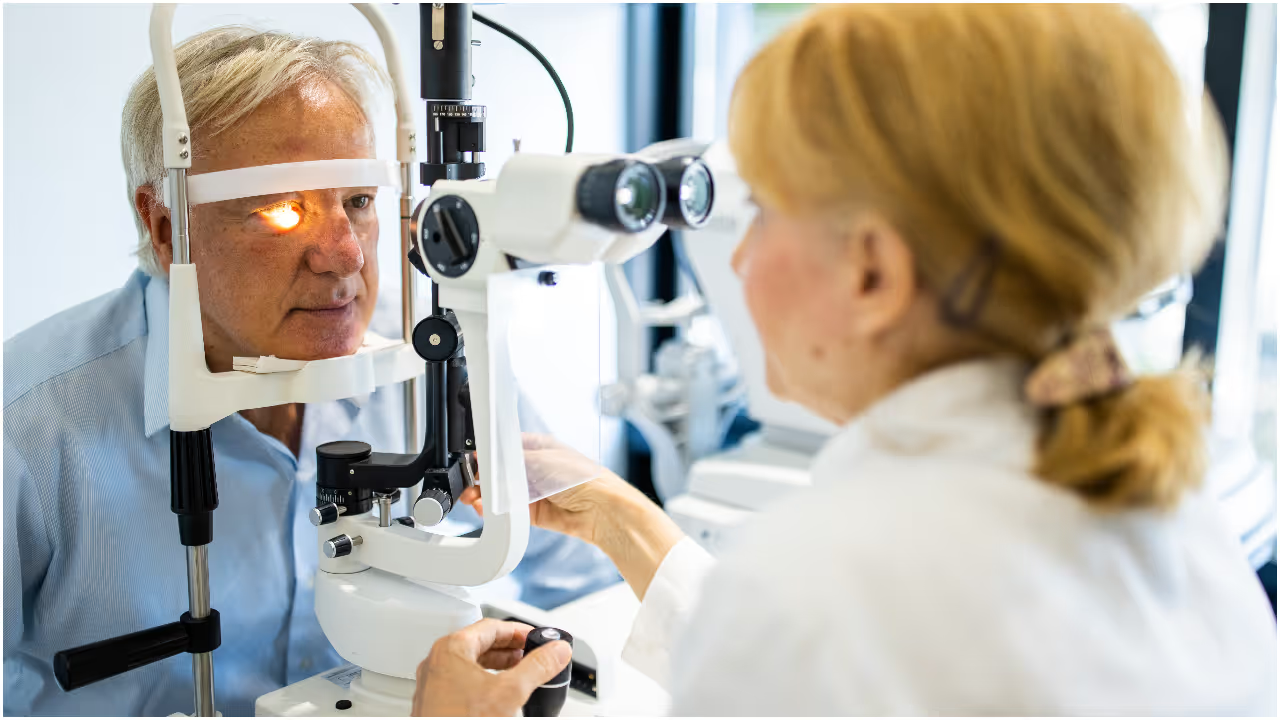
Cataracts cause vision to become blurry gradually and without pain, often going unnoticed in the early stages. While they are most common among older adults, cataracts can develop at any age, making regular eye check-ups important for early detection and timely treatment.
Many people think their eyesight is just getting weaker with age and ignore the early signs of a cataract. This condition, which causes a slow, painless loss of vision, is common in older people, but it can affect anyone. People often mistake the first signs for normal age-related vision problems and delay getting treatment. But you shouldn't ignore these symptoms.
1. Blurry Vision
The main sign of a cataract is blurry vision, like you're looking through a foggy window pane. Nothing looks as sharp or bright as it used to.
2. Poor Night Vision
People with cataracts find it really tough to drive at night. The glare from streetlights and headlights from other vehicles can feel overwhelming. It also becomes hard to see the road clearly or judge distances correctly.
3. Fading Colours
As the lens in your eye loses its transparency, the world around you might seem less colourful. White objects might look a bit yellowish, and other bright colours can appear dull.
Digestion: Non-Veg Lovers, Don't Even Think of Eating These Foods After Mutton Feast!
4. Sensitivity to Light
When you look towards bright lights, your eyes might feel uncomfortable, making you blink a lot. This extreme sensitivity to light can also lead to headaches.
5. Frequent Changes in Glasses Power
This is one of the most common signs. If you find yourself needing to change the power of your glasses very often within a short period, it could be a symptom of cataracts.
6. What You Should Do
Even if you don't have any of these symptoms, everyone over the age of 40 should get a proper eye check-up at least once every two years. Catching cataracts early can help you protect your vision completely.
Fibre First: 7 Reasons It Should Be Essential Part Of Your Daily Diet!
