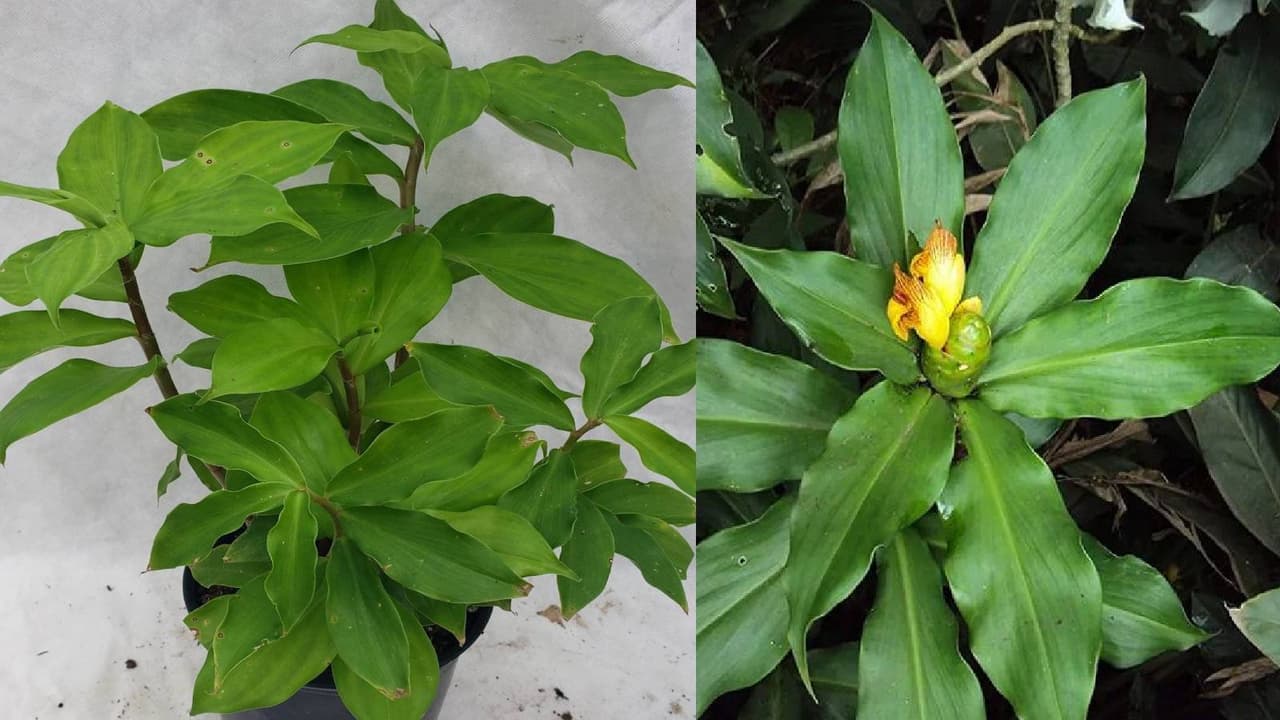
The insulin plant is a popular indoor medicinal plant known for its health benefits and attractive spiral leaves. Easy to grow and low maintenance, it thrives in filtered sunlight, moist soil, and warm conditions, making it ideal for home gardening.
Gardening Tips: Nowadays, due to fast-paced urban life and limited space, indoor gardening has reached a new level. Indoor plants are no longer just for decoration; they are also becoming a natural way to improve health. The insulin plant is one such beneficial plant, very popular for its medicinal properties and attractive leaves. If you also want to grow an insulin plant at home, here are some easy care tips to help your plant grow and last a long time.
What is an Insulin Plant?
Scientifically known as Costus igneus, the insulin plant is native to the warm and humid regions of India and is commonly known as the "Spiral Flag." Its wide, glossy green leaves grow in a spiral pattern, and the plant is as beautiful as it is rich in medicinal properties. In traditional medicine, its leaves have been used in limited quantities by diabetic patients. This plant grows well even with low maintenance and adds greenery to your home environment while also providing health benefits.
How to Plant an Insulin Plant?
Planting an insulin plant in a pot is very easy. The initial growth may seem slow, but with patience, it spreads quickly. Use well-draining soil in the pot. Mix coco peat and vermicompost in equal parts, fill the pot with this mixture, leaving some space at the top. Plant the cutting or rhizome at an angle, gently press the soil, and water well to let the soil settle.
Related Articles

How to Care for an Insulin Plant?
- Light and Temperature Needs
- Keep it near a window where it gets filtered sunlight.
- Direct sunlight can burn the leaves.
- The room temperature should be warm.
- Growth may be slow in low light.
- Keep the soil consistently moist.
- Avoid overwatering, as it can cause root rot.