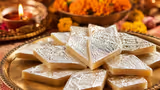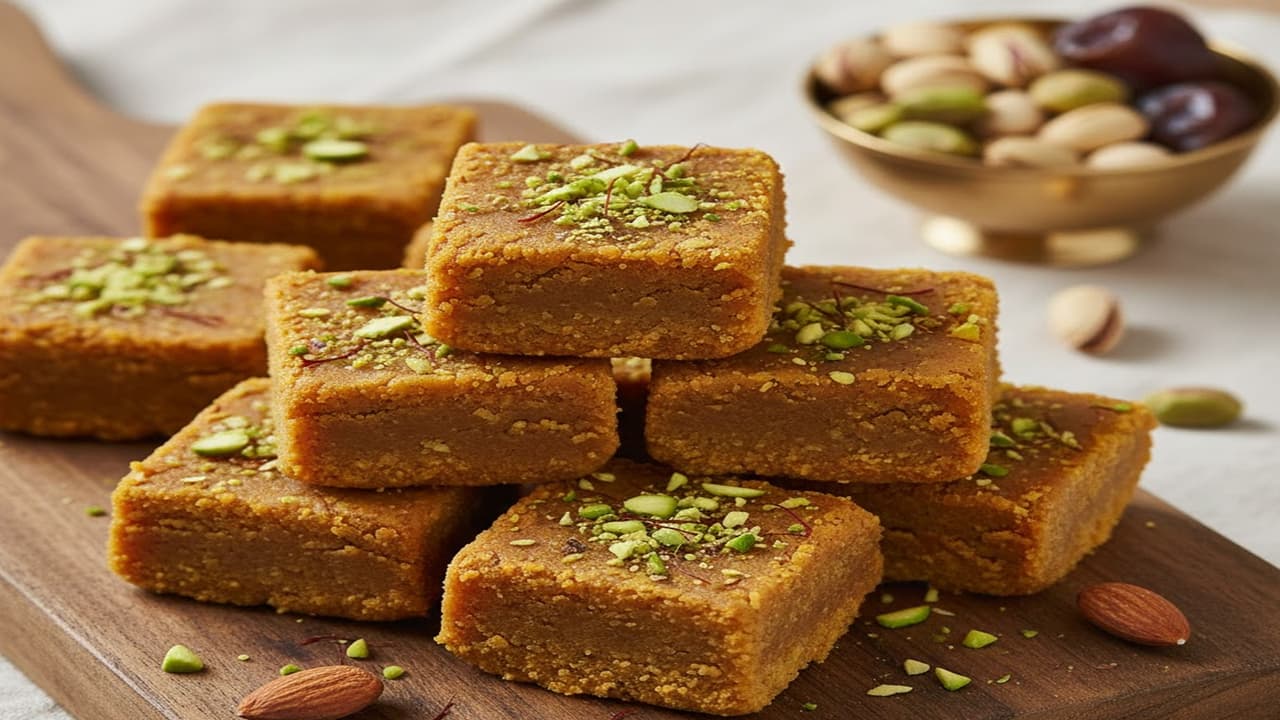
Sugar-free mithai may seem like a healthier Diwali treat, but is it really better than traditional sweets? Explore the differences in sugar, calories, sweeteners and nutrition before choosing your festive favourites.
Festivities of Diwali will be incomplete without any mithai for many people. But now that more and more people are becoming aware of their blood glucose levels and are conscious about their weight and health, many of them have started opting for sugar-free sweets rather than traditional mithai. Though these seem to be healthier options to traditional sweets, lack of sugar doesn’t necessarily mean that these are nutritious or low-calorie foods. People need to have some information about the ingredients, quantity of mithai and sweetener that is used.
What Makes Traditional Mithai Special?
There are many types of sweets in India like laddoos, kaju katli, gulab jamun and barfi that consist of sugar, ghee, milk solids, nuts or refined flour. Their nutritional composition differs from one recipe to another. But most of them tend to be very high in calories and added sugars or fats. Consumption of large portions of these sweets on a regular basis can lead to excess calorie intake.
Is Sugar Free Sweets a Healthier Option?
The main thing about sugar-free mithai is that they are made with alternative sweetening agents rather than common sugar. According to the product type, these may be stevia, sucralose or sugar alcohol such as maltitol. These products can have less sugar and even lower calories than traditional products.
Related Articles

Nevertheless, sugar-free does not automatically mean carbohydrate-free or calorie-free. Ingredients like khoya, nuts, cream and ghee may still provide a lot of calories and fat. In some cases, sugar-free sweets might still contain carbohydrates which influence the level of blood sugar, thus it is recommended to look for the nutrition information rather than package information only.
Does Sugar-Free Mithai Influence Digestive System?
Some types of sugar alcohols such as maltitol and sorbitol may result in bloating, flatulence and even diarrhea if consumed in large quantities. Therefore people with sensitive digestion must pay attention to the sweetener and serving sizes.
Which One Would You Go For This Diwali?
Your dietary requirements would determine which one is better for you, as well as the ingredients used in them and the quantities of their consumption. Check out the nutritional information provided by each mithai in particular, especially carbohydrate content, sugar content, saturated fat, and the size of the serving.
People suffering from diabetes need to keep in mind that sugar-free mithais may affect the level of blood glucose.
Bottom line: Sugar free as well as traditional mithais can be consumed sometimes but in moderation. Instead of just looking at the sugar-free label, give more preference to good quality of ingredients and overall diet plan.
-This article is authored by Ms. Archana Chief Dietician KIMS Hospitals, Mahadevapura