
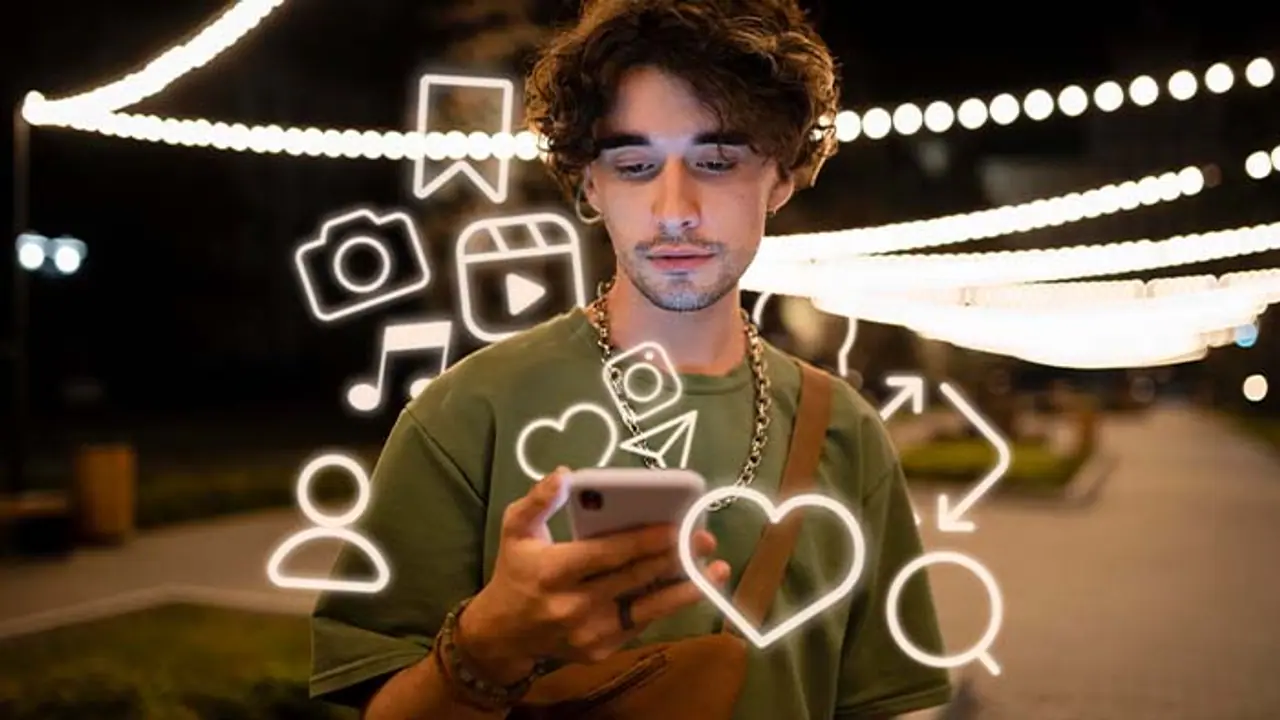
Social Media is a powerful tool to use in the digital world. But you need to be aware of these six challenges that social media gives you in association with mental health to protect your overall well being.
Social media is a vast subject, and the debate between benefits and drawbacks is a never-ending topic. While there are significant advatages of social media like the exposure of professionals, online businesses, access to many things from wide geographical range, and also helping to stay connected with people. In the same way, social media has its negative side, which are the disadvantages. The disadvantages are affecting the younger generation mostly. Constant exposure to social media can be dangerous in many ways, especially to mental health.
6 mental health challenges:
1. Unrealistic Comparisons and Social Pressure:
Social media platforms are mostly filled with illusions made by humans. Users put time and effort and even money into editing photos showing only the bright side as the complete story. This creates a fake perspective on others' lives, leading to feelings of inadequacy and low self-esteem. The content becomes a constant comparison to the individual persons and often gets self-concluded as 'never being good enough.'.
2. Cyberbullying and Online Harassment:
These days, cyberbullying has become very common. Online harrasment has been one of those crimes that people can commit and get away easily. Constant negative comments and public shaming have had a great impact on a person's mental health. This leads to anxiety, depression, and many suicides also happen due to cyberbullying as people feel stuck in this loop.
3. Fear of Missing Out (FOMO):
Social media feeds are constant posts of updates about social events, gatherings, and experiences of people. This can trigger a fear of missing out, leading to feelings like isolation, loneliness, and anxiety when there is no access to social media. Seeing people's lives can give a sense of constant comparisons leading to depression and anxiety.
4. Addiction and Sleep Disruption:
The social media platforms are so engaging that people often miss their sleep schedules and try to stay online as long as possible. This can lead to addiction and may also impact overall health. Sleepless nights can lead to mental illness like anxiety and difficulty in concentrating.
ALSO READ: Handbag essentials: must-have life savers for every woman
5. Negative Body Image:
People often post their perfect side on social media. More than their bad days and lazy days, People tend to post perfect workout days creating a negative and fake body image particularly on young women. The pressure to meet the unrealistic image of beauty standards can lead to eating disorders and low self-esteem. Filters and editing tools also make a big difference.
6. Reduced Face-to-Face Interaction:
Social media can connect people virtually without geographical barriers. This was beneficial in the initial years, but now it has come to a point where people in the same city also don't meet due to the presence of social media. This decreased face-to-face communication over time, and this contributes to loneliness and isolation in real life. The lack of human interaction is responsible for the bad social skills and poor emotional intelligence in people these days.
Social media is not a bad thing. It is actually a powerful tool for staying connected with people and bringing positive change. But it is important to note that the use of social media should be mindful to avoid negative impacts on the users. Setting boundaries, limiting social media screentime, and prioritizing real-life, face-to-face interactions can protect your mental well-being in the age of social media. Whenever you think you need it, you can always seek help.
ALSO READ: Irregular periods: 7 foods to include in your diet to regulate periods
