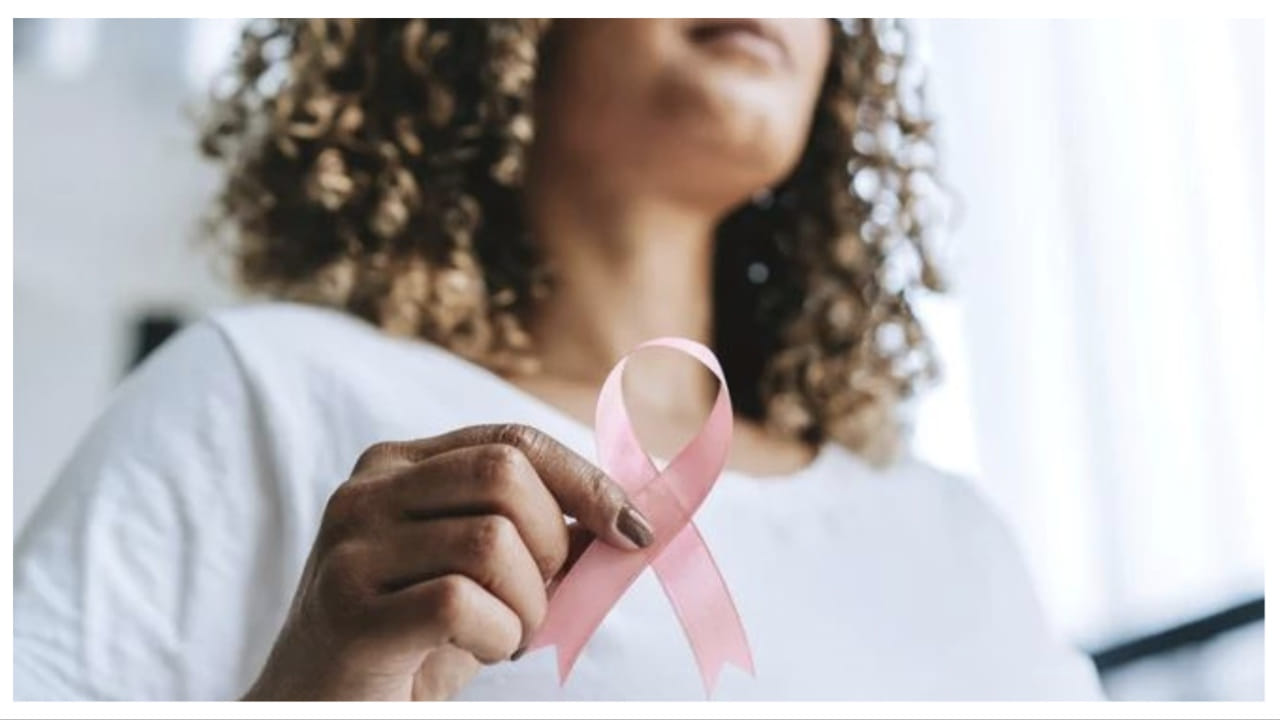
Inside the quiet warning signs, a 35-year-old mother’s brave journey, and the revolution in care that proves breast cancer can be beaten. Breast cancer can affect women even without known risk factors.
Behind every medical statistic is a deeply human story, and across India, where breast cancer is now the most common cancer among women with approximately 1.9 lakh new cases diagnosed annually, early action and compassionate care are rewriting what a diagnosis means. While advancing age, genetic history, obesity, physical inactivity, and reproductive factors elevate risk, Consultant Radiation Oncologist Dr. Kannan Maharajan emphasizes that many women present with zero known risk factors and men can rarely contract it too making proactive body awareness vital for everyone.
The early-stage lumps are almost always painless, women frequently ignore subtle signs like shifts in contour, skin dimpling, inverted nipples, or discharge and to counter this, Dr. Maharajan advocates for a simple monthly self-examination using the flat pads of the fingers a few days post-period, alongside annual clinical exams starting at age 30 and mammograms every 1–2 years from age 40.
The transformative impact of listening to one's body is vividly illustrated by a 35-year-old mother who sought medical advice within days of finding a painless lump; diagnosed with localized Stage 2 left-sided breast cancer, her multidisciplinary tumor board crafted a personalized regimen, comprising neoadjuvant chemotherapy, targeted surgery, adjuvant chemotherapy, three weeks of radiation, and ongoing hormonal therapy—allowing her to completely overcome the disease and return fully to her vibrant career and family life. Modern oncology now tailors every treatment path around the individual, offering options like breast-conserving surgery, shortened one-week radiation protocols, and precision therapies, proving that while a cancer diagnosis can be daunting, combining monthly self-checks and prompt medical evaluation with advanced care offers not just recovery, but long-term hope and vitality.
Related Articles

-This article is authored by Dr. Kannan Maharajan, Consultant Radiation Oncologist, American Oncologist Institute, Coimbatore