Since the ship took ballast water at Vizhinjam, some part of the ship’s voyage and safety checks fall under state oversight. It is the people along Kerala coastline who are prone to the danger of cargo and oil spill risk.
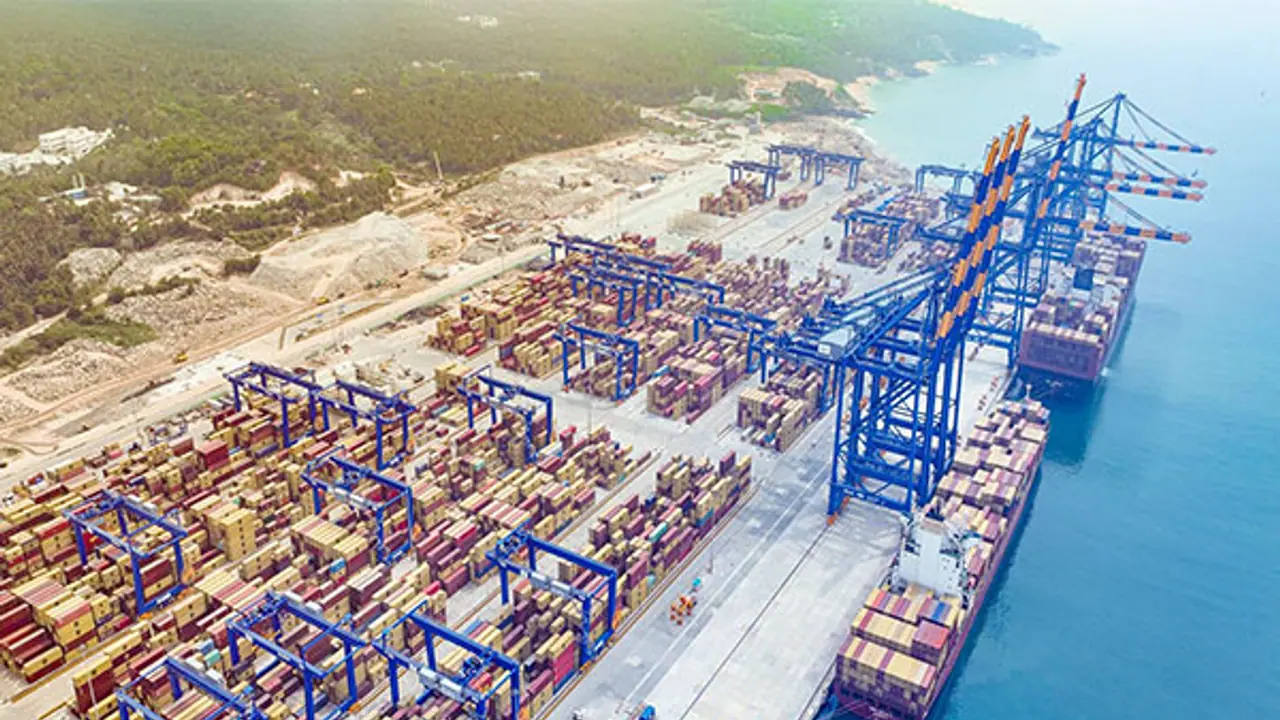
Kochi: Criticism is mounting against the Kerala government's slow investigation into the sinking of a cargo ship off the Kochi coast. The Director General of Shipping has admitted that the ship sank because of a mistake with ballast water, which helps keep the ship balanced. The ship filled this water at Adani’s Vizhinjam port after loading cargo, before setting sail. It is alleged that the government is taking time to file a case because it would bring port authorities into investigation.
Why Vizhinjam port authorities are responsible
Poor planning, incomplete infrastructure, or bad ballast practices at a port can significantly increase the risk of a maritime accident — especially if the ship departs with hidden issues that worsen at sea.
If a port supplies contaminated or unregulated ballast water, or lacks proper ballast management facilities, the ship may become unstable, especially in rough seas. Overfilling or underfilling ballast tanks due to poor port infrastructure can upset a ship’s balance. When a port is newly operational, it may lack accurate buoys, depth markers, or guidance systems. This generally leads to ships flooding or capsizing. Further, port authorities are responsible for shipping safety, weather alerts and emergency response.
Related Articles

According to government sources, the lack of action is due to the accident occurring outside the state's 12-nautical-mile jurisdiction. India’s territorial waters extend 12 nautical miles from the coastline. Beyond that is the contiguous zone (up to 24 NM) and then the Exclusive Economic Zone (up to 200 NM), which fall under central government jurisdiction. This means that the Kerala government is not legally required to start an investigation.
However, since the ship took ballast water at Vizhinjam, some part of the ship’s voyage and safety checks fall under state oversight. It is the people along Kerala coastline who are prone to the danger of cargo and oil spill risk. Several fishermen have already said that they are getting a reduced catch and public are hesitant to buy fish from them fearing pollution.