In parts of North Karnataka, Ugadi 2026 is observed differently, with some families treating it as a day of mourning. Rooted in generations-old beliefs, the tradition continues in Ballari and Vijayanagara villages, raising questions about faith and customs.
While Ugadi is being celebrated with enthusiasm across Karnataka, bringing joy, new beginnings and festive cheer, it is a time of silence and restraint for thousands of families in parts of Vijayanagara and Ballari districts. In Kudligi taluk and surrounding villages, Ugadi is not observed as a festival but as a day of mourning, with several families strictly avoiding customary rituals and celebrations.
Unique Customs Followed Across Villages
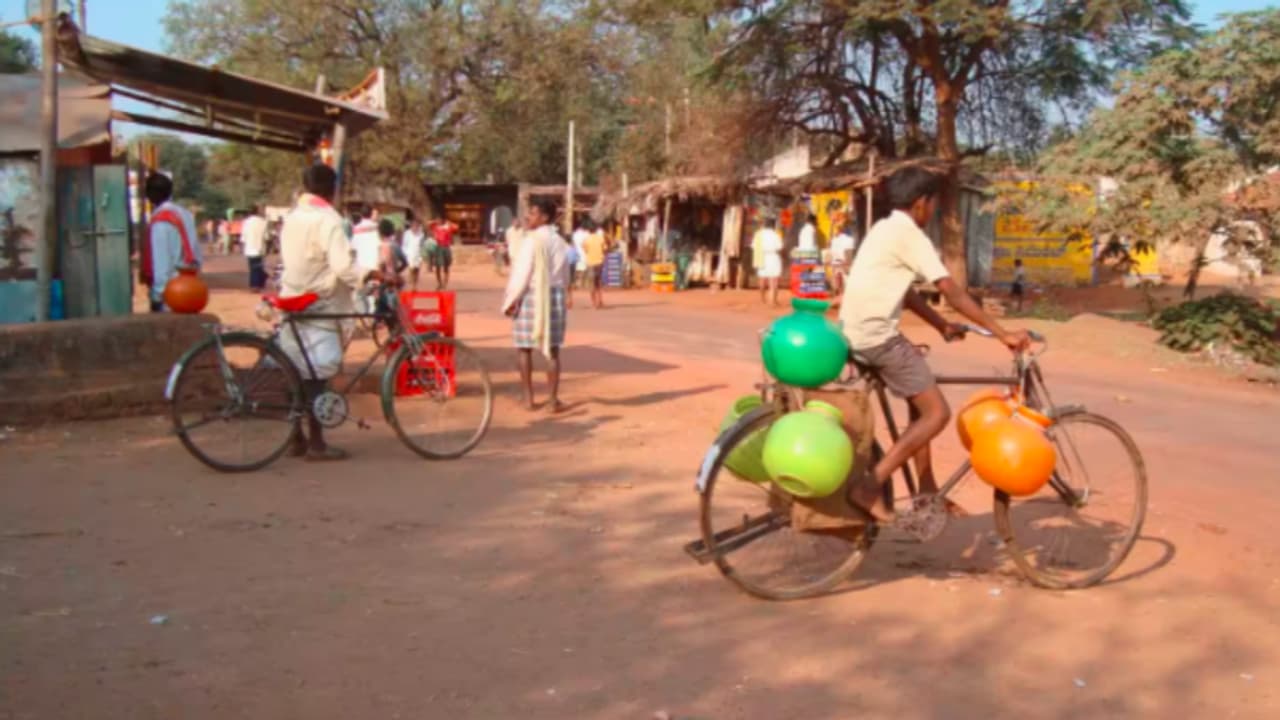
Families in villages such as Kudligi, Gajapura, Timmalapura, Kandagallu, Kotturu and Devara Mallapura in Sandur taluk follow this distinctive tradition. Unlike others, they do not prepare or consume the customary neem-jaggery mixture on Ugadi. Instead, they partake in it only if it is offered by families who celebrate the festival. Relatives often go door-to-door distributing the mixture, ensuring that social bonds are maintained despite differing customs.
Strict Observances in Gajapura
In Gajapura, the observance is even more stringent. Residents refrain from bathing on Ugadi Amavasya and on Ugadi day itself. They wait until Chandramana Ugadi to bathe and prepare sweets. Their celebrations are deferred until the next full moon, locally known as ‘Hampi Hunnime’. On this day, families decorate their homes with torans, prepare festive meals and perform puja, marking their version of the new year.
Related Articles

Tradition Passed Down Through Generations
This practice has been followed for generations among certain families belonging to the Barikaru, Uppararu and Valmiki communities, which are classified as backward classes. The custom continues to be observed with strong adherence, passed down from one generation to the next without deviation.
Fear and Belief Sustain the Practice
When asked about the origins of this tradition, most families attribute it to ancestral practices.
“Our forefathers did not celebrate Ugadi, so we continue the same,” they say.
There is a strong belief that breaking the tradition could invite misfortune. However, the exact historical reason behind the practice remains unclear, with no definitive explanation available.
Tradition or Superstition?
The continuation of this custom raises questions about whether it is a deeply rooted cultural tradition or a form of superstition. Notably, even educated individuals, including government employees from these communities, continue to observe these practices. In an era of rapid technological advancement, such enduring beliefs highlight the complex relationship between tradition, faith and modernity.
Voices from the Community
Kotrappa, a resident of Gajapura, shared insights into the belief system.
“We have heard that something unfortunate happened to our ancestors on Ugadi long ago. That is why we do not celebrate. We do not buy new clothes or prepare sweets, and we avoid applying oil or even bathing for a couple of days. There is a sense of fear associated with the festival,” he said.