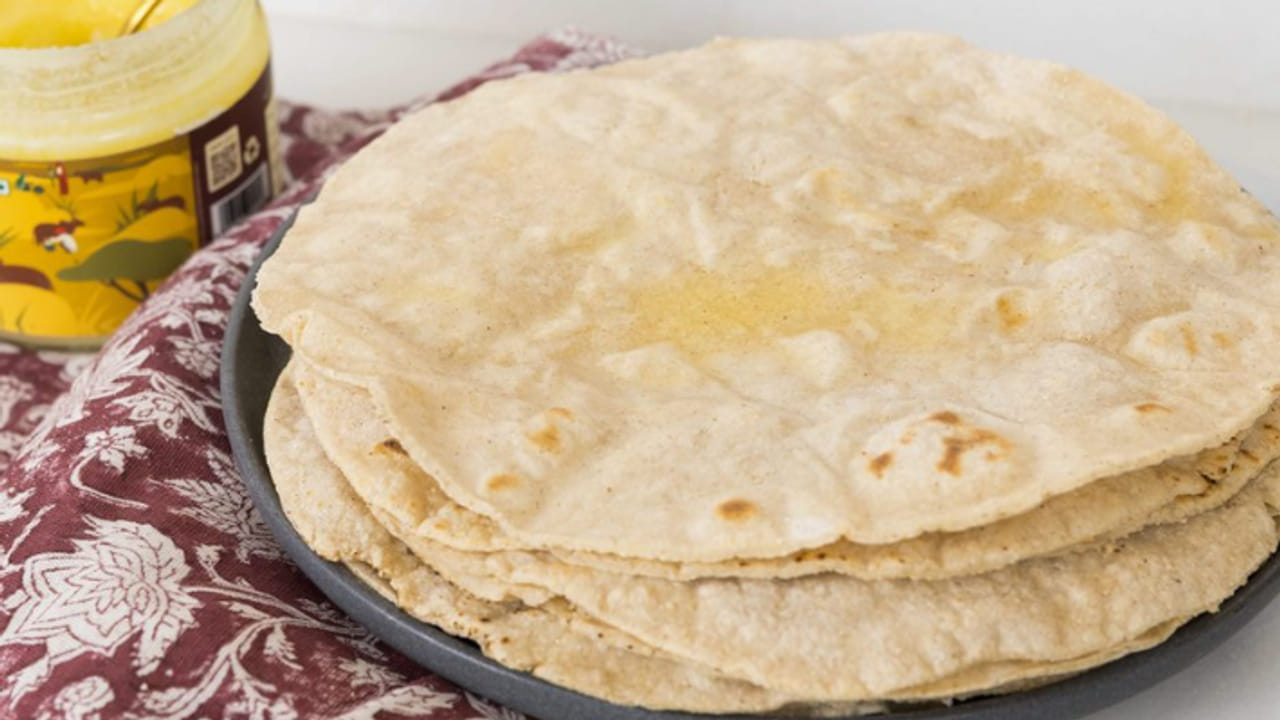
Jowar prices have crossed ₹100 per kg in parts of North Karnataka, raising concerns among khanavalis over a possible increase in jolada rotti meal prices. Poor rainfall and declining cultivation have added to the price pressure.
For people in North Karnataka, a meal is rarely complete without jolada rotti (sorghum flatbread), palya (vegetable stir-fry) and chutney. A staple in households across districts such as Dharwad, Gadag, Haveri, Belagavi, Vijayapura and Bagalkot, jolada rotti is deeply rooted in the region's food culture. However, a sharp rise in sorghum prices is now putting this traditional meal under pressure. With the cost of its main ingredient climbing, traditional eateries, popularly known as khanavalis, are struggling to manage their expenses and fear they may soon have to increase meal prices.
Sorghum, commonly known as jowar or jola, which was selling at around ₹5,000 to ₹6,000 per quintal until recently, has reportedly surged to ₹9,000 to ₹10,000 per quintal. In some retail markets, its price has crossed ₹100 per kg. The increase has affected not only farmers and traders but also eateries, students, labourers and regular consumers who depend on affordable rotti meals.
For khanavalis that prepare hundreds of rottis every day, the rising cost of sorghum has made daily operations increasingly difficult. Owners are concerned that passing on the additional expenses to customers could drive away regular diners. Consequently, the price rise is creating uncertainty for small businesses and consumers across North Karnataka.
Related Articles

Declining Sorghum Production And Rising Demand Push Prices Up
One of the major reasons behind the increase in sorghum prices is declining production. In several parts of North Karnataka, inadequate rainfall and drought-like conditions have affected crop yields. At the same time, many farmers are moving away from traditional food grains such as sorghum and wheat towards commercial crops, including chickpeas, onions, chillies, maize and sunflowers.
This shift is largely linked to the prices farmers receive for their produce and the returns offered by alternative crops. As the area under sorghum cultivation declines, the availability of the grain has come under pressure, contributing to higher market prices.
The shortage of certain popular varieties has further aggravated the situation. The Maldandi variety, widely grown in the Vijayapura-Bagalkot region, is particularly preferred for preparing jolada rotti. Another variety, Gundu Tene, is cultivated in districts such as Dharwad, Vijayapura, Haveri and Bagalkot. Reduced availability of these varieties has added to supply concerns.
Rising Food Costs Put Khanavalis Under Pressure
The increase in sorghum prices has coincided with higher costs of other essential food items, including rice, pearl millet (bajra) and pulses. This has pushed up the overall operating expenses of traditional eateries, which generally rely on affordable ingredients to keep meal prices within reach of customers.
However, increasing meal prices is not an easy decision for khanavali owners. Many customers visit these eateries because they offer filling, traditional food at reasonable rates. Owners fear that even a modest price increase could affect their regular customer base.
Consumer Mohan Hampannavara believes the government needs to take steps to encourage farmers to continue cultivating traditional food grains. He suggests that farmers should receive adequate support prices, along with effective procurement facilities and incentives for growing sorghum and wheat. Such measures, he believes, could encourage cultivation and improve production.
Khanavali Owners Fear Losing Customers If Meal Prices Rise
The sharp increase in sorghum prices has placed local eateries in a difficult position. While owners are finding it increasingly expensive to prepare jolada rotti meals, they are also worried that passing these additional costs on to customers could affect their business.
"100% of our customers prefer meals featuring rotti (flatbread). Sorghum (jola), which previously cost ₹40 to ₹50 per kg, has now crossed the ₹90 to ₹100 mark. Currently, we charge ₹120 for a meal. There is a concern that raising the price will cause us to lose customers. However, if this situation persists, we will inevitably have to increase the price of the meal," says Channabasu Hosur, owner of a khanavali.
His concerns reflect the challenges faced by several traditional eateries that rely heavily on sorghum-based dishes. With ingredient costs continuing to rise, maintaining existing meal prices without affecting business has become increasingly difficult.
Hubballi APMC Records Fluctuations In White Sorghum Prices
Market figures from the Hubballi Agricultural Produce Market Committee (APMC) show considerable fluctuations in white sorghum prices during November. The maximum price crossed ₹8,000 per quintal on November 12 and November 13, while minimum prices varied considerably.
The recorded prices were:
- November 11: Minimum ₹3,535 per quintal; maximum ₹6,099 per quintal.
- November 12: Minimum ₹2,709 per quintal; maximum ₹8,408 per quintal.
- November 13: Minimum ₹2,210 per quintal; maximum ₹8,005 per quintal.
The market fluctuations have also affected retail buyers, who are finding it increasingly expensive to purchase sorghum. Grocery traders say customers have been surprised by the sharp change in prices over a relatively short period.
"Over the last 15–20 days, customers have been left shocked upon asking for the price of sorghum. The price has doubled in just one month. The number of buyers is also decreasing day by day," says Bharat Patel, a grocery store owner.
Farmers And Consumers Feel The Impact Of Rising Jowar Prices
The increase in sorghum prices has consequences across the supply chain, affecting everyone from farmers and traders to eateries and households. While consumers are facing higher grocery bills, khanavali owners are struggling to maintain affordable meal prices. The declining area under sorghum cultivation and reduced availability of preferred varieties have added to concerns about future supplies.
For North Karnataka, where jolada rotti remains an essential part of everyday food habits, the issue goes beyond a routine increase in commodity prices. Farmers need better returns and reliable procurement support to continue cultivating sorghum, while traditional eateries need affordable supplies to keep their meals accessible. How the government and market authorities respond to these challenges could have a significant bearing on the future availability and affordability of this regional staple.