
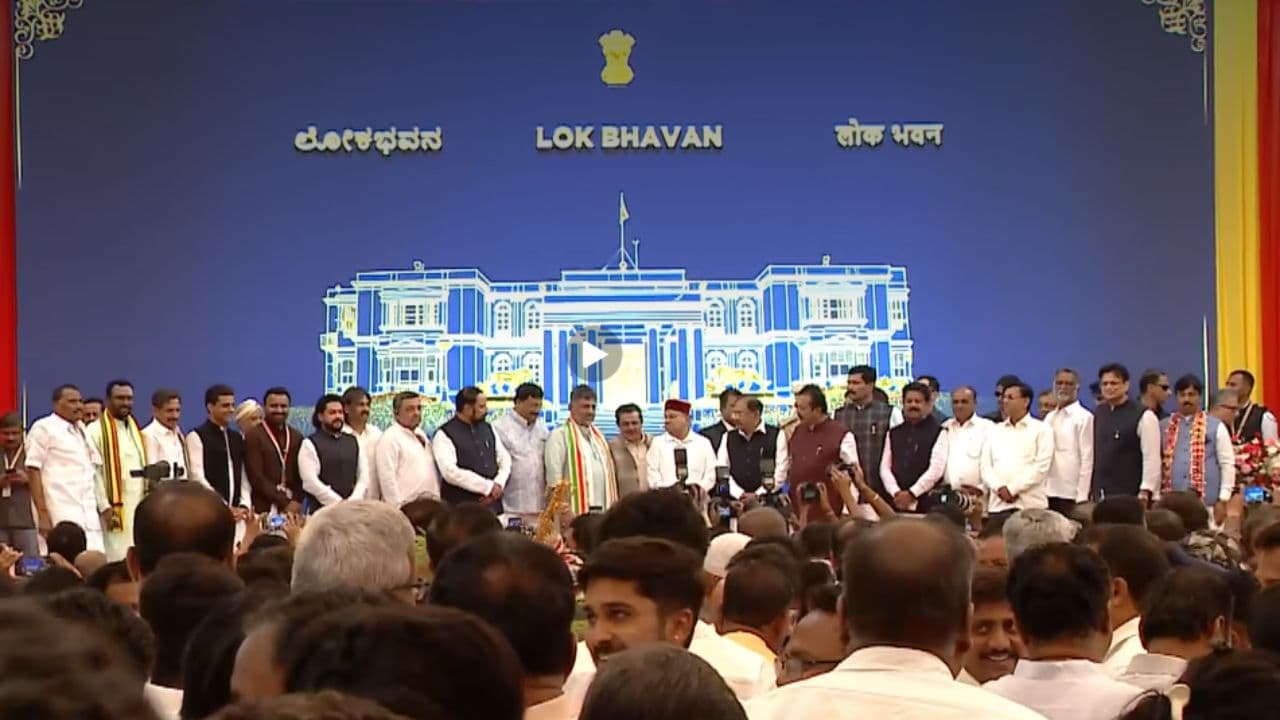
In a first in 30 years, Karnataka's new Cabinet has no Brahmin minister. This political development under Congress government has sparked widespread debate on caste representation, inclusivity. The govt defends its composition, stating it prioritizes representation for OBC, SC, ST, minority communities, alongside electoral & regional factors.
Karnataka's latest Cabinet expansion has marked a significant political milestone, with no Brahmin minister finding a place in the state Cabinet for the first time in nearly 30 years. The development has triggered discussions on caste representation, political inclusivity and the Congress government's social justice approach.
The expanded Cabinet under Chief Minister Siddaramaiah reflects the party's emphasis on strengthening representation for Other Backward Classes (OBCs), Scheduled Castes (SCs), Scheduled Tribes (STs) and minority communities. However, the absence of a Brahmin minister has drawn attention as previous governments, irrespective of the ruling party, generally included at least one representative from the community.
Political observers say the omission represents a notable shift in Karnataka's caste equations. While the Congress has defended its Cabinet composition as one based on electoral strength, regional balance and social representation, opposition leaders have questioned whether leaving out an entire community sends the right political message.
Also Read: DK Shivakumar-led Karnataka cabinet expanded; 20 ministers sworn in
The Congress leadership has maintained that Cabinet berths are allocated after considering several factors, including administrative experience, regional aspirations and the need to ensure representation for diverse social groups. The latest expansion also accommodated leaders from multiple districts to maintain geographical balance across the state.
The development has sparked reactions across political circles and on social media, where supporters and critics are debating whether Cabinet formation should primarily reflect electoral arithmetic or ensure representation for every major community. At the time of writing, no official statement announcing a change in the Cabinet composition has been issued.
The absence of a Brahmin minister does not affect the functioning of the government but has become one of the most discussed aspects of the Cabinet expansion. As Karnataka's political landscape continues to evolve, the decision is expected to remain a topic of debate, especially with future electoral contests likely to bring questions of caste representation and political inclusivity back into focus.
Also Read: Karnataka Cabinet Expansion: Several Senior Congress Leaders Left Out of New Ministry
