Karnataka has banned the sale and use of analogue paneer for one year over food safety concerns. Officials have been directed to act against violators, while consumers are advised to exercise caution when buying paneer-based products outside.
Paneer lovers in Karnataka may want to take note of a major food safety development. The Karnataka government has banned the sale and use of ‘analogue paneer’ across the state for one year, citing concerns over food safety and public health. The Food Safety and Quality Department has issued an order prohibiting the sale and use of the product and directed officials to take action against those violating the regulations. The move comes amid concerns that some hotels, restaurants and eateries may be using cheaper alternatives in place of genuine dairy paneer.
Tough Action Against Hotels And Restaurants
Officials have received complaints that some hotels, restaurants and dhabas are allegedly serving analogue paneer instead of genuine dairy paneer. Following the ban, food safety officials have been directed to take strict action against establishments found selling or using the product in violation of food safety regulations.
Karnataka is among the states that have taken action against the use of analogue paneer, following similar measures reported in Chhattisgarh, Maharashtra, Gujarat and Himachal Pradesh. Food safety officers have been instructed to ensure compliance with the ban and take appropriate action against violators.
Related Articles

What Is ‘Analogue Paneer’?
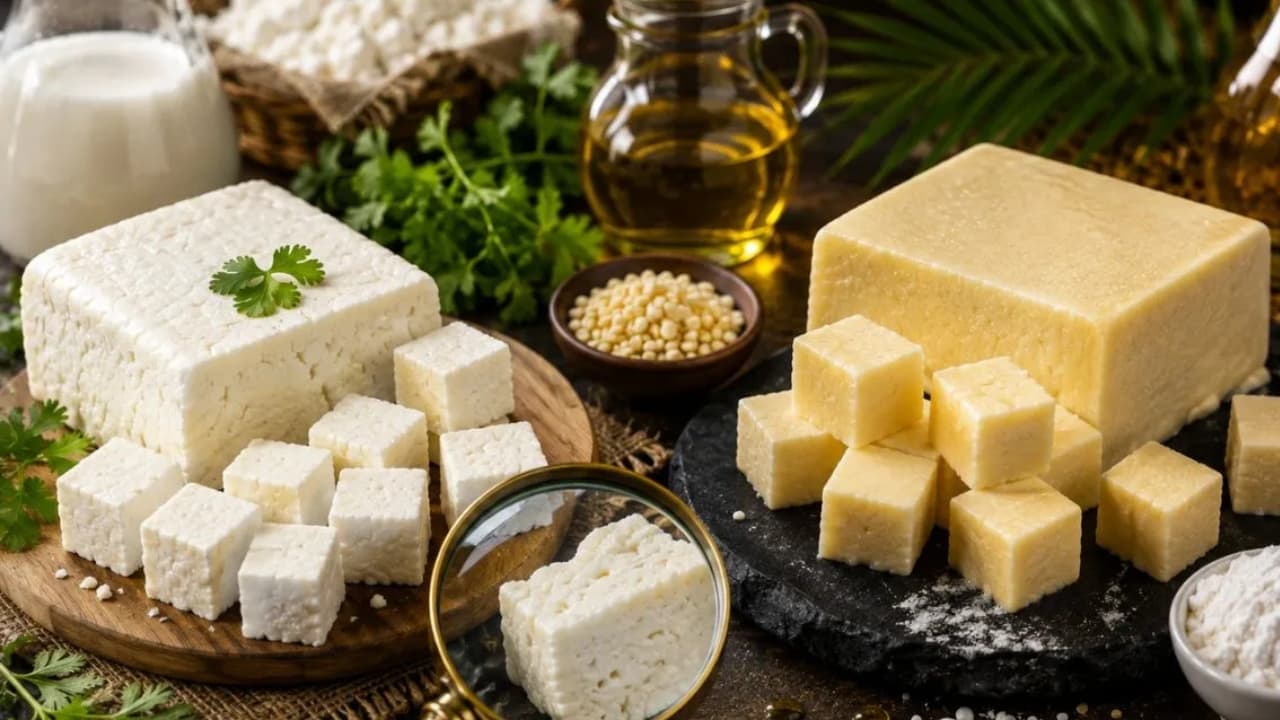
So, what exactly is analogue paneer? While it may resemble traditional paneer in appearance and texture, it is not made entirely from milk. Instead, such products may be prepared using vegetable fats, palm oil, emulsifiers and other ingredients to replicate the texture and appearance of dairy paneer.
Analogue paneer is generally cheaper and may have a longer shelf life than fresh dairy paneer, making it an attractive alternative for some food businesses looking to reduce costs. However, consumers may not always be aware that they are being served a non-dairy substitute.
Health Concerns Linked To Analogue Paneer
The ban has also brought attention to concerns surrounding the nutritional value and ingredients used in analogue paneer. Unlike traditional paneer, which is a source of protein and calcium, an analogue product made primarily with vegetable fats may have a different nutritional profile.
Health experts have raised concerns about regularly consuming products that are high in certain fats. However, the specific health effects depend on the ingredients used, the quantity consumed and an individual's overall dietary pattern.
The Food Safety and Quality Department has urged food businesses to comply with the regulations and ensure that consumers are not misled about the products being served. Consumers are also advised to exercise caution when purchasing paneer-based products outside the home and to choose establishments that follow food safety standards.