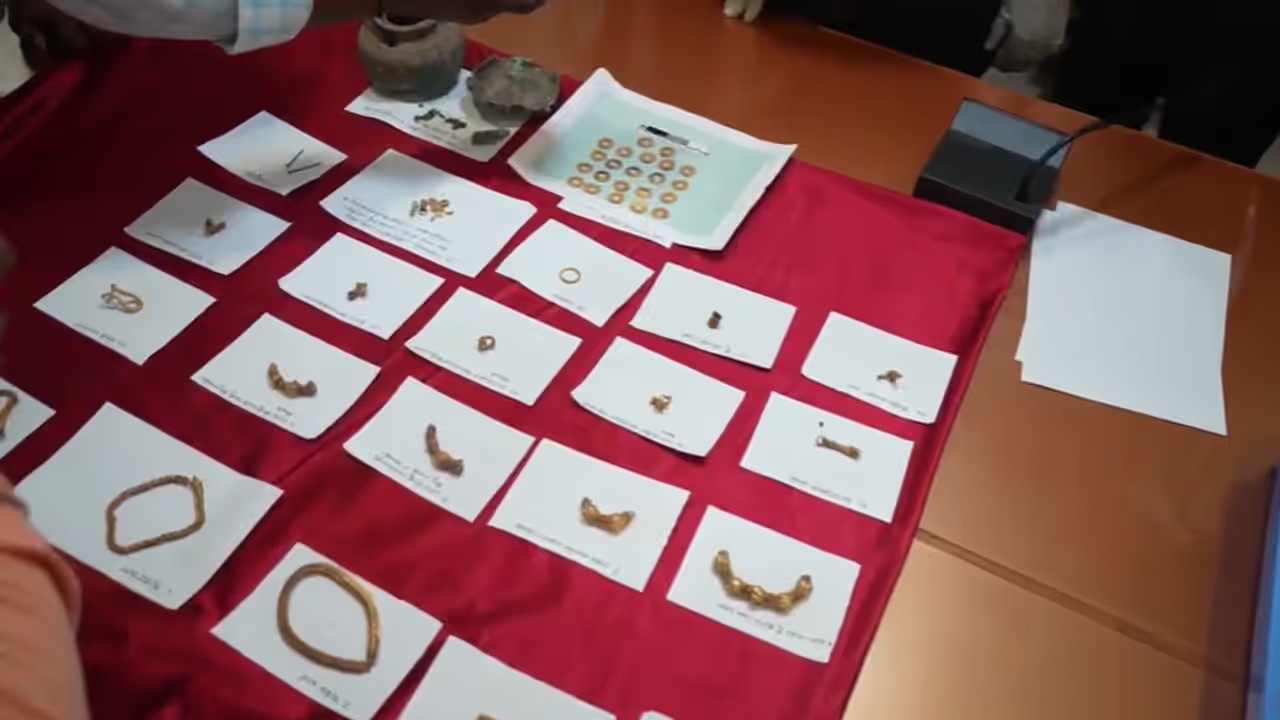
Ancient gold ornaments estimated to be 300 years old were discovered in Lakkundi.Archaeology experts are examining the treasure, believed to be from the Vijayanagara period, with a report expected soon on its origin, age, and historical significance.
The discovery of ancient gold ornaments in the historically renowned village of Lakkundi in Gadag district has sparked widespread curiosity and debate across Karnataka and beyond, drawing keen attention from archaeological experts and academic circles across the country. Preliminary assessments suggest the ornaments may be nearly 300 years old, potentially dating back to the Vijayanagara period or a contemporary era.
The rare find came to light last Saturday when the Ritti family, residents of Lakkundi village in the taluk, unearthed a small copper pot containing gold ornaments while digging the foundation for their new house. Acting responsibly, the family immediately handed over the artefacts to the district administration and informed the Chief Minister over the phone.
Inspection Led By District Collector
Following initial uncertainty over whether the find constituted personal jewellery or a historical treasure, and whether it should be classified as government property, the district administration took the matter seriously and ordered a detailed inspection.
Related Articles

The examination was conducted late into Tuesday night at the District Collector’s office under the leadership of District Collector CN Sridhar, in the presence of experts from the Archaeological Survey of India (ASI) and the State Department of Archaeology.
What Was Inspected?
The gold ornaments, which had been secured in the district treasury, were taken out in the presence of officials. Each piece was carefully segregated and subjected to meticulous examination.
Experts studied the design, weight, metal composition, and manufacturing techniques of the ornaments. Special attention was paid to the intricate craftsmanship and distinctive artistic patterns, reflecting the skill of artisans from the period. Extensive photographs and videos were taken for detailed image analysis and for comparison with ornaments from various royal eras documented across the country.
Likely From Vijayanagara Period
During the inspection, experts observed that the gold differed significantly from modern commercial gold, exhibiting qualities and standards typical of ancient metallurgy. The ornaments displayed characteristics reflective of the political, social, and cultural context of their time.
In particular, the form, craftsmanship, and presumed usage of the jewellery hold strong archaeological significance. Based on preliminary findings, officials believe the ornaments may belong to the Vijayanagara period or an era closely associated with it.
Clear Report In Two To Three Days: DC
District Collector C.N. Sridhar said the ornaments are estimated to be around 300 years old and may be contemporaneous with the Vijayanagara Empire.
A detailed three-hour inspection was conducted by archaeology experts, who offered a preliminary opinion that the style and craftsmanship align with Vijayanagara-era jewellery. It is believed the ornaments may have been used by affluent or influential individuals of that time.
Archaeology experts are expected to submit a comprehensive report within two to three days. Only after receiving this report will the artefacts be officially declared a treasure. Officials said that if any individual or group lays claim to the ornaments, they will be required to submit valid documentary evidence, which could alter the course of the case.
Government To Honour Family That Found Treasure
Collector Sridhar also said the government has decided to extend appropriate recognition and compensation to the Kastoorevva Ritti family, who honestly handed over the treasure to the authorities after discovering it.
Necessary assistance will be provided to the family under the guidance of the district in-charge minister, in accordance with government norms, he added.
Further Study Underway
Officials from the Department of Archaeology said a preliminary study has already been completed, but additional time is required to arrive at a definitive conclusion.
Some of the ornaments will undergo laboratory testing, and related historical documents will be examined. Only after these procedures are completed will the exact age and historical context of the gold ornaments be conclusively determined.