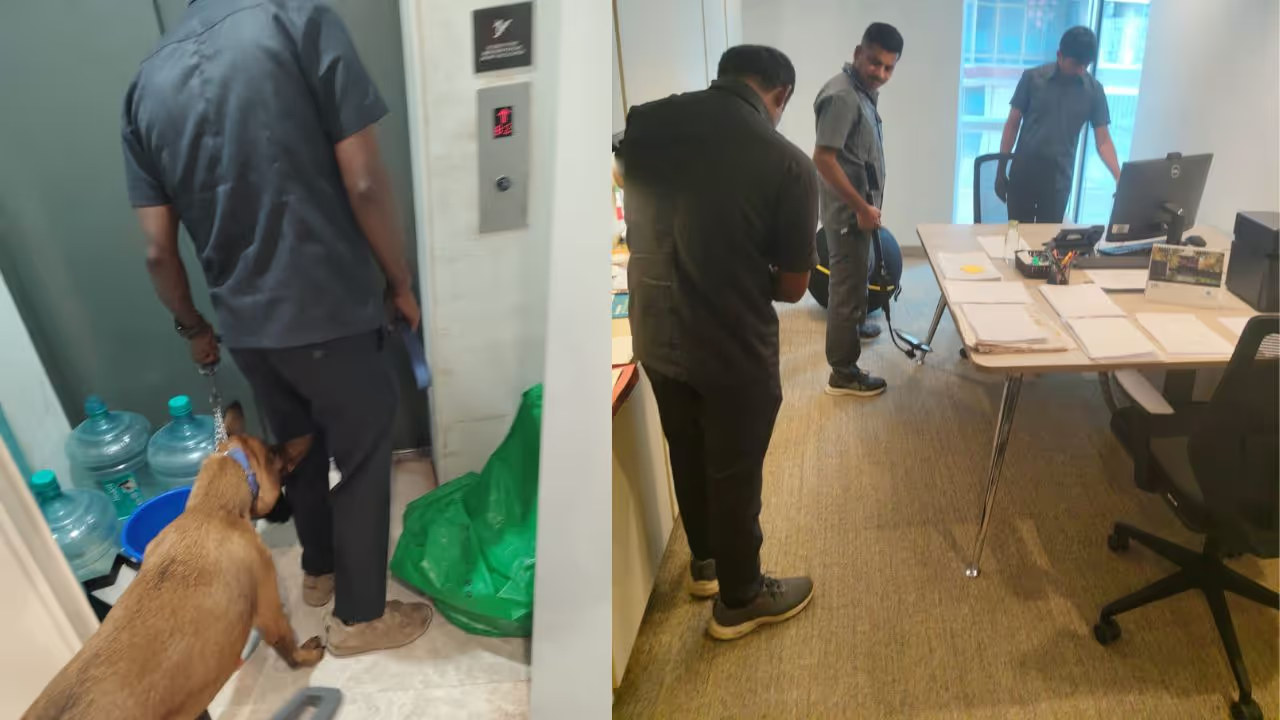
On February 9, 2026, bomb threat emails were sent to the Japanese and Dutch consulates in Bengaluru, prompting a major security response. The anonymous threats mentioned a Tamil Nadu official and claimed explosives were planted inside.
Bengaluru authorities were put on high alert on February 9, 2026, after bomb threat emails were sent to the Japanese and Dutch consulates in the city, triggering security responses from police and bomb disposal teams. The anonymous emails referenced Tamil Nadu’s Deputy Chief Minister Udhayanidhi Stalin by name, alongside serious allegations, prompting fears of possible terror activity in the Karnataka capital.
According to local Kannada media reports, the threat emails arrived early in the morning and claimed that explosive devices including RDX and improvised explosive devices (IEDs) had been planted within the consulate premises and could detonate if their demands were not met. These messages also made alarming assertions about alleged misconduct involving Udhayanidhi Stalin, suggesting political motivations behind the hoax.
Security personnel, including bomb squads and dog units, responded swiftly, cordoning off the diplomatic missions and conducting thorough searches. Staff were evacuated to safer locations as a precaution while police and intelligence officials worked to verify the source and credibility of the threats. Officers are treating the incident seriously given the diplomatic sensitivity and potential risk to foreign missions.
Related Articles

Investigators believe the emails are likely hoax threats designed to sow fear and chaos, as similar bogus bomb alerts have been repeatedly received at various locations in Bengaluru and other Indian cities in recent years, including schools, airports and government offices.
The Bengaluru cybercrime cell and local police forces have launched an active investigation to trace the IP addresses and identify the sender, amid concerns that misuse of encrypted or proxy email services could complicate efforts. Police have reassured the public that no explosives were found during initial checks, and are urging calm while the probe continues.
The incident underscores growing concerns over bomb threat hoaxes in urban centres, the vulnerability of diplomatic premises to hostile messaging, and the importance of robust cybersecurity and threat-detection systems to safeguard public safety and international missions.