NASA’s Artemis crew lost contact with Earth for 40 minutes during a planned blackout behind the Moon. The mission resumed successfully, setting a new record for the farthest distance travelled by humans.
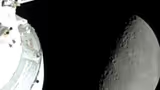
The Artemis crew has made history, becoming the first humans in 54 years to travel behind the moon. During this historic fly-by, their Orion spacecraft lost all contact with Earth for about 40 minutes.
While it sounds worrying, this was a completely expected event. The 40-minute blackout happened simply because the Orion spacecraft was on the far side of the moon, which blocked all communication signals from Earth. After the blackout, NASA's Mission Control in Houston successfully re-established contact with the astronauts. "We will always choose Earth," astronaut Christina Koch said in her first message after the signal returned. The team had expected the signal to come back in 30 minutes, but it ended up taking 40 minutes.
The four-person Artemis crew also set a new world record. They are now the humans who have travelled the farthest from Earth, reaching a distance of 4,06,771 kilometres. This new record was set at 4:37 AM Indian Standard Time, breaking the previous record held by the Apollo 13 crew since April 14, 1970.
Related Articles

Also read: 50 Years, Record Distance: What To Know About Artemis 2 Mission's Moon Flyby
Artemis Mission
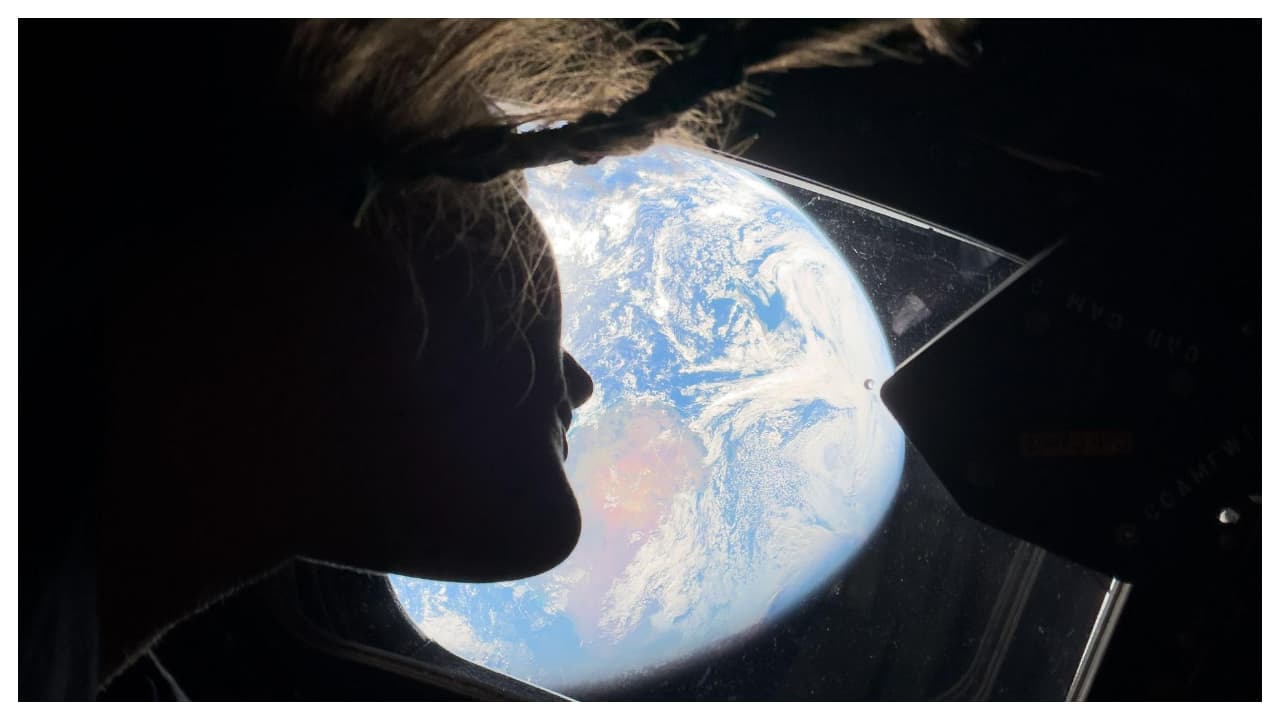
Earlier, at 4:32 AM Indian time, the Orion spacecraft made its closest approach to the moon. It was Christina Koch who sent the first message back to Earth after the fly-by. The mission also hit another major milestone today as the spacecraft entered the moon's gravitational field. This is the first time humans have entered the lunar gravity zone since 1972. From their unique vantage point, the crew got to see both the moon and the Earth, and even witnessed an 'earthrise' and 'earthset' from the far side of the moon.
The crew's return journey is set to begin halfway through the seventh day of the mission. On day eight, the spacecraft will be put back under the pilot's control. Preparations for re-entry will happen on day nine, and on the tenth day, Orion is scheduled to land back on Earth. On Monday, April 6, the Artemis 2 astronauts officially made history, becoming the first people in over 50 years to fly around the moon and break Apollo 13's long-standing distance record.