The US has temporarily allowed India to receive Russian oil shipments already in transit, aiming to stabilize global energy markets. This decision comes amid rising conflict in West Asia, which threatens crucial supply routes. The White House, calling India “good actor,” is prioritizing short-term market stability over strict sanctions enforcement.
The United States has temporarily allowed India to resume certain purchases of Russian oil despite earlier sanctions and tariff tensions, a move that has drawn global attention amid the escalating conflict in West Asia. The decision comes as geopolitical tensions, especially the war involving the US, Israel and Iran, threaten global energy supplies and push oil markets toward instability.
The White House described India as a “good actor” while explaining why Washington permitted the move, highlighting both geopolitical considerations and concerns about global energy security.
This explainer breaks down why the US took this step, what it means for India’s energy needs, and how it fits into the broader global oil crisis.
Related Articles

What Exactly Did the US Allow?
According to officials in Washington, the US administration temporarily permitted India to accept shipments of Russian oil that were already in transit.
White House press secretary Karoline Leavitt said the decision was taken because “our allies in India have been good actors”, referring to India’s earlier compliance with certain sanctions on Russian oil purchases.
Also Read: 'Huge Fan, Don't Want To Punish India': US Energy Secretary Flags Russian Oil Friction
She also noted that the oil cargoes in question were “already at sea” and therefore allowing India to receive them would not significantly benefit the Russian government financially.
This permission is not a permanent policy change but rather a temporary adjustment meant to stabilise global oil supplies during a period of extreme volatility.
The Iran War and the Global Oil Shock
The ongoing conflict involving Iran has shaken the global energy market. One major concern has been the security of the Strait of Hormuz, a narrow waterway through which a huge portion of the world’s oil shipments pass.
Nearly 20% of global oil and gas supplies move through this route, making it one of the most important energy corridors in the world.
As tensions escalated in the Gulf region, fears grew that shipping routes could be disrupted or blocked, creating a sudden supply shortage.
In such a scenario, global oil prices can spike sharply. To prevent such shocks, the US and its allies have been trying to ensure that the global market continues to receive enough crude oil.
Allowing India to receive Russian oil cargoes already in transit was seen as one way to maintain supply stability and avoid sudden disruptions in the energy market.
Why India’s Oil Purchases Matter
India is the third-largest oil consumer in the world, and it relies heavily on imports to meet its energy needs.
The country imports more than 80% of its crude oil requirements. Any disruption in international supply chains therefore directly affects India’s economy and fuel prices.
In recent years, India has increased its purchases of discounted Russian oil following Western sanctions on Moscow over the Ukraine war. These discounted supplies became an important source of affordable energy for Indian refiners.
Also Read: India’s Russian Crude Oil Imports Plunge to Lowest Level Since Feb 2025
As Western buyers reduced their purchases, Russia offered crude oil at lower prices to countries such as India and China. This shift significantly increased India-Russia energy trade.
However, this also created friction with the United States and European allies who were trying to restrict Russia’s oil revenues.
Previous US Pressure on India
Washington had earlier criticised India’s Russian oil imports, arguing that such purchases indirectly helped finance Russia’s war in Ukraine.
At one point, the US even imposed tariffs and warned of additional penalties linked to India’s energy trade with Moscow.
Despite these tensions, India maintained that its energy policy is driven by domestic needs.
Indian officials have repeatedly stated that energy security for its population of over 1.4 billion people remains a top priority, especially in a volatile global market.
Why the US Made an Exception Now
The temporary waiver allowing India to receive Russian oil shipments was driven by several strategic considerations.
Preventing An Oil Supply Shock
The immediate goal was to keep oil markets stable. With shipping disruptions in the Gulf, global supply already faced pressure.
Meanwhile, allowing additional oil to reach global markets can help prevent sudden spikes in fuel prices.
Rewarding cooperation from India
US officials suggested that India had earlier complied with requests to reduce purchases of sanctioned Russian oil. Calling India a “good actor” was seen as recognition of that cooperation.
Strengthening Strategic Ties
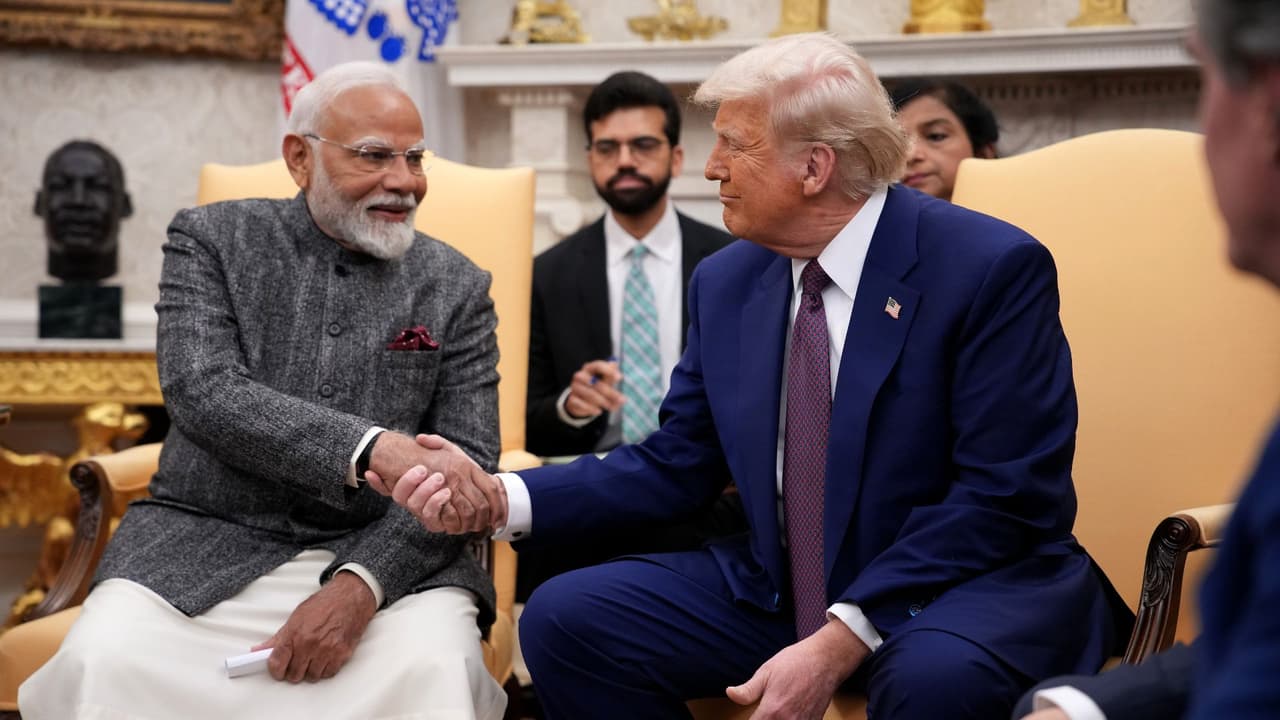
The US and India share a growing strategic partnership, particularly in areas like security, technology and trade. Avoiding a direct confrontation over energy policy is often viewed as beneficial for both countries.
Impact on Global Oil Markets
The decision reflects how geopolitics and energy markets are deeply interconnected.
Oil markets are extremely sensitive to geopolitical tensions. When major supply routes like the Strait of Hormuz face risks, even rumours of disruption can trigger price spikes.
By allowing certain Russian oil shipments to reach India, the US appears to be prioritising short-term market stability over strict sanctions enforcement.
Analysts say such decisions are often made to avoid a wider economic shock that could affect multiple countries.
What Happens Next?
The US waiver is reportedly temporary, meaning future Russian oil purchases by India may still face restrictions.
Much will depend on how the geopolitical situation evolves in the coming weeks.
If the conflict in the Gulf intensifies or disrupts shipping routes further, global energy markets could face even greater volatility. In that case, more emergency measures or temporary waivers could be introduced to maintain supply.
For now, the decision highlights the delicate balance governments must strike between enforcing sanctions, managing geopolitical alliances and protecting global energy stability.
The Bigger Picture
The episode underscores a key reality of global politics: energy security often shapes diplomatic decisions.
While sanctions and political pressure remain important tools, ensuring stable oil supplies for the global economy can sometimes take precedence—especially during times of crisis.
In this case, the US decision to allow India to resume certain Russian oil purchases shows how governments are navigating a complex web of war, sanctions, trade relationships and energy needs.