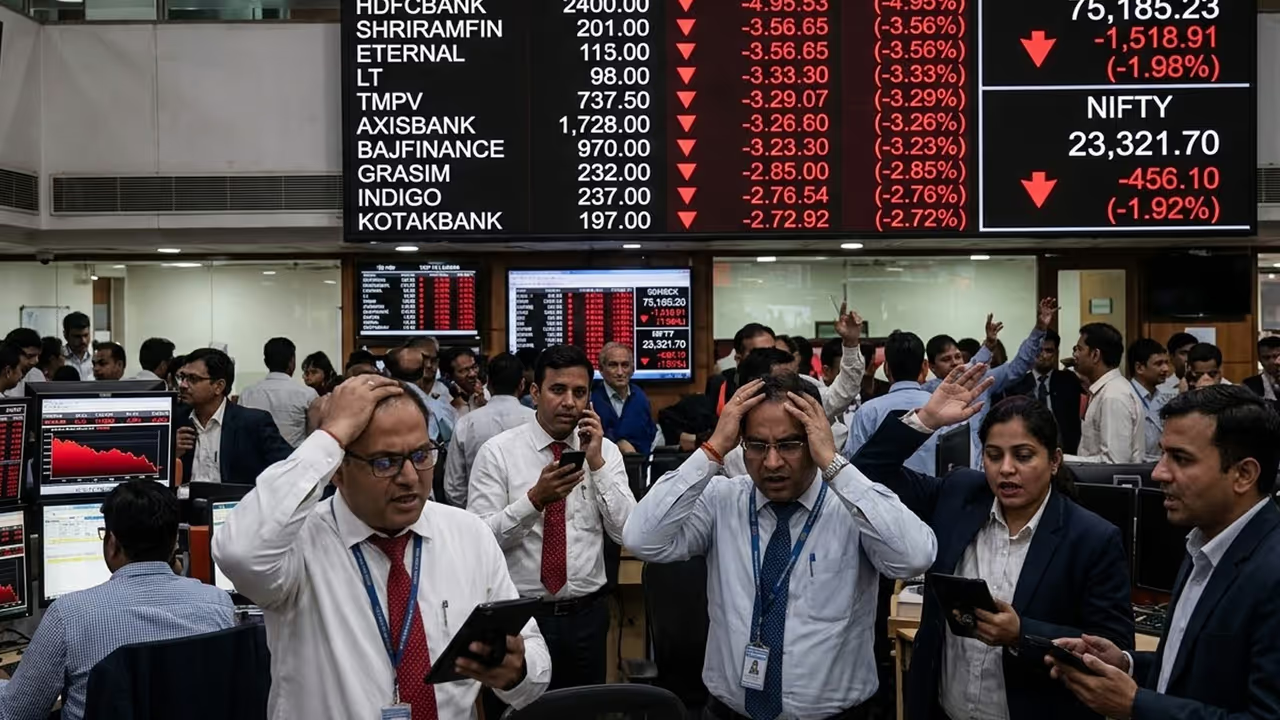
Markets are rattled by geopolitical tensions, but what does this mean for investors? Here’s how diversification, rebalancing, and global allocation can help portfolios withstand shocks and seize long‑term opportunities.
Amid rising geopolitical tensions and volatile markets, investors are being urged to distinguish short-term disruptions from long-term fundamentals. According to Sachin Sawrikar, Managing Partner at Artha Bharat Investment Managers, shocks across asset classes often prove temporary unless global trade or energy supply face sustained disruption.
Sawrikar emphasized that Indian portfolios remain heavily concentrated in domestic assets, limiting diversification benefits. He suggested allocating 20–30% of capital to international markets to enhance resilience, manage risk, and access opportunities across geographies and sectors.
Short-Term Volatility Versus Long-Term Trends
Periods of geopolitical tension typically trigger sharp moves in energy prices, currencies, and equities. However, history shows markets absorb shocks unless structural disruptions occur. Investors should avoid reacting to headlines and instead focus on disciplined allocation and risk management.
Related Articles

Global diversification is increasingly important. India offers strong growth drivers such as urbanization and digital transformation, while the United States remains attractive for technology and innovation. Middle Eastern investors are also exploring opportunities across Asia and emerging markets.
Crude oil and commodity volatility influence inflation, interest rates, and trade balances. In such environments, real assets like gold and commodities serve as effective diversifiers. Cyclical opportunities also emerge in energy infrastructure, supply chain resilience, and resource efficiency. Domestic investments in infrastructure and energy transition can complement global exposure.
Also Read: Why Did Rupee Slip To Record Low of 92.63 Against Dollar & What Factors Are Driving It?
Role Of Rebalancing
Sharp market moves can distort portfolio allocations, increasing unintended risk. Systematic rebalancing helps maintain strategic asset allocation by trimming outperformers and adding to corrected assets. This approach preserves diversification and can create tactical opportunities during periods of uncertainty.
Equities provide growth, fixed income offers stability, and gold hedges against uncertainty. International investments add geographic diversification and exposure to global sectors unavailable domestically. Balanced allocation across these asset classes helps portfolios navigate different market cycles effectively.
Global Themes To Track
Technology and artificial intelligence continue to drive productivity. The semiconductor ecosystem is becoming strategic as digital infrastructure expands. Defense and aerospace sectors are gaining prominence amid geopolitical tensions, while renewable energy and supply chain diversification remain critical themes.
For those aged 30-40, Sawrikar recommends allocating 20–30% of portfolios to global markets. ETFs and index-based strategies provide cost-efficient access, unlike traditional funds that demand high minimum investments. Deploying fresh capital gradually across equities, debt, gold, and global assets is more effective than attempting to time markets.