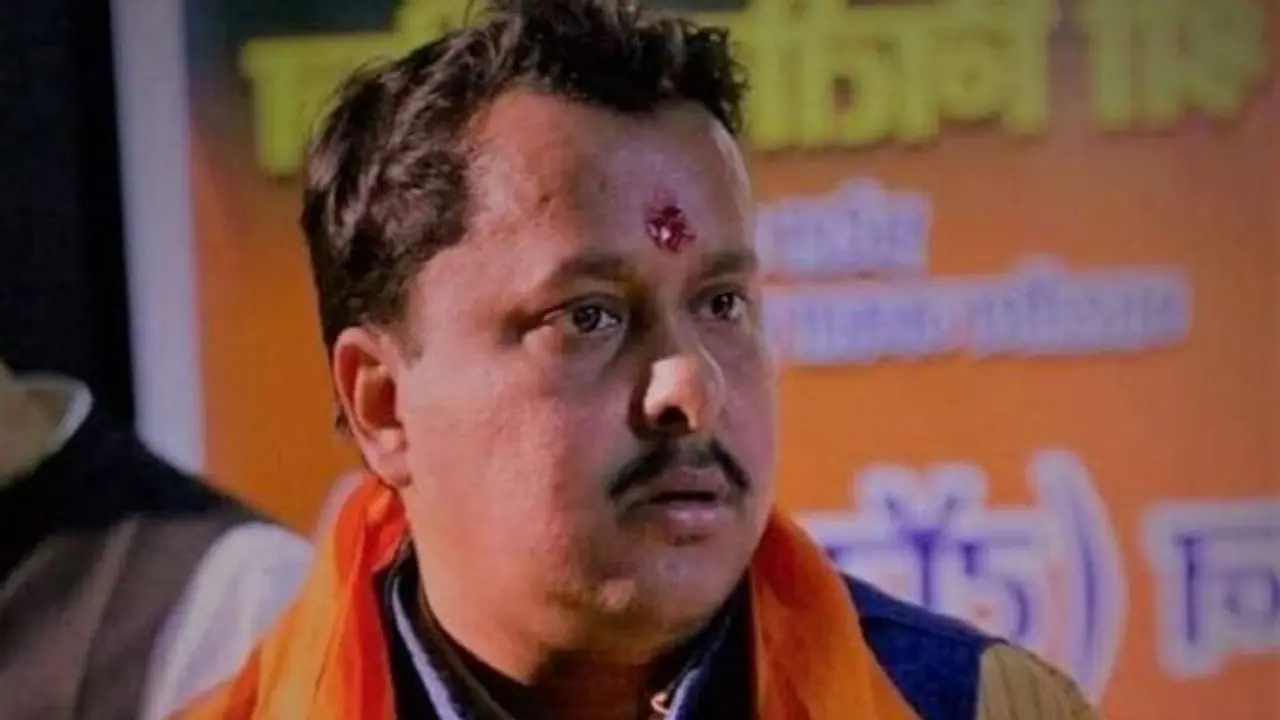
Nitin Nabin, a 45-year-old politician from Bihar, has been elected unopposed as the 12th National President of India’s Bharatiya Janata Party (BJP). His appointment marks a significant generational shift in the party's leadership.
From Bihar Roots to BJP’s Toppost
Nitin Nabin, a seasoned politician from Bihar, has been elected unopposed as the 12th National President of the Bharatiya Janata Party (BJP) -- India’s largest political party -- marking a noteworthy generational shift in leadership.
At 45, he becomes one of the youngest leaders to hold the party’s top organisational post, a distinction that stands out in a political ecosystem traditionally led by older figures. His appointment will be formalised with a ceremony on January 20, 2026, with senior leaders including Prime Minister Narendra Modi expected to attend.
Early Life and Entry into Politics
Born on May 23, 1980, in Ranchi (now in Jharkhand), Nitin Nabin comes from a political lineage. His father, Nabin Kishore Prasad Sinha, was a veteran BJP leader and multiple-term MLA in Bihar, providing Nabin early exposure to political life. Following his father’s death in 2006, Nitin Nabin entered active politics, winning a by-election from the Patna West assembly seat — a significant start to a long legislative career.
Related Articles

Electoral Success and Ministerial Roles
Over nearly two decades, Nabin solidified his grassroots credentials. He has been elected five times as a Member of the Bihar Legislative Assembly, first from Patna West and later from the Bankipur constituency after delimitation. In the 2025 elections, he stood out with a decisive victory, defeating his closest rival by more than 51,000 votes.
Beyond electoral wins, Nitin Nabin has held multiple ministerial portfolios in the Nitish Kumar-led Bihar government, including Road Construction, Urban Development and Housing, and Law and Justice. These roles broadened his administrative experience and underscored his ability to manage diverse governance challenges.
Organisational Experience and Rise in BJP
Nabin’s ascent within the BJP reflects deep organisational roots. He has served key roles in the party’s youth wing, the Bharatiya Janata Yuva Morcha (BJYM), including as State President for Bihar and later as National General Secretary. His work in youth mobilisation and coordination on campaigns helped build his reputation as a leader capable of strategic ground operations.
A pivotal moment in his organisational journey came in December 2025, when he was appointed National Working President of the BJP, becoming the youngest ever to hold that role. This placed him directly on course to succeed long-time president J.P. Nadda.
Unopposed Election and Leadership Style
The BJP’s internal election process saw Nabin emerge as the sole candidate, with 37 valid nomination sets filed in his favour — a sign of strong internal consensus. With no opposing contenders, he was declared elected unopposed, highlighting broad support from state and national party units.
Party insiders describe Nitin Nabin as a hardworking, grounded leader with a collaborative leadership style. His reputation as a coordinator who can “take everyone along” has been highlighted as a key asset in maintaining organisational harmony.
Strategic Significance and Future Expectations
Nabin’s elevation comes at a crucial juncture as the BJP prepares for a packed election calendar across states and the 2029 Lok Sabha polls. Analysts suggest his leadership may help the party strengthen grassroots networks and enhance electoral planning. His relative youth is also seen as part of the BJP’s broader attempt to project next-generation leadership.
At the national level, his appointment contrasts with leadership in rival parties, where veteran figures continue to dominate. This generational contrast may have strategic appeal, especially among younger voters and organisational cadres.
Personal Profile and Public Image
Outside politics, Nitin Nabin is married to Dr. Deepmala Shrivastava, and the couple have two children. He holds a declared net worth of around ₹3 crore, reflecting assets including vehicles, land, and other holdings.
While many see his rise as reflective of organisational merit and grassroots outreach, some critics point to his political lineage as part of broader debates about dynastic influence in Indian politics. Nevertheless, his electoral record and leadership roles underscore a blend of experience and party loyalty that has resonated within the BJP.
Looking Ahead
As Nitin Nabin prepares to take charge, the focus will be on strengthening the BJP’s organisational machinery, preparing for future elections, and consolidating support across diverse regions. His leadership marks not just a generational milestone but also the beginning of a potentially transformative chapter in the BJP’s long-term political strategy.