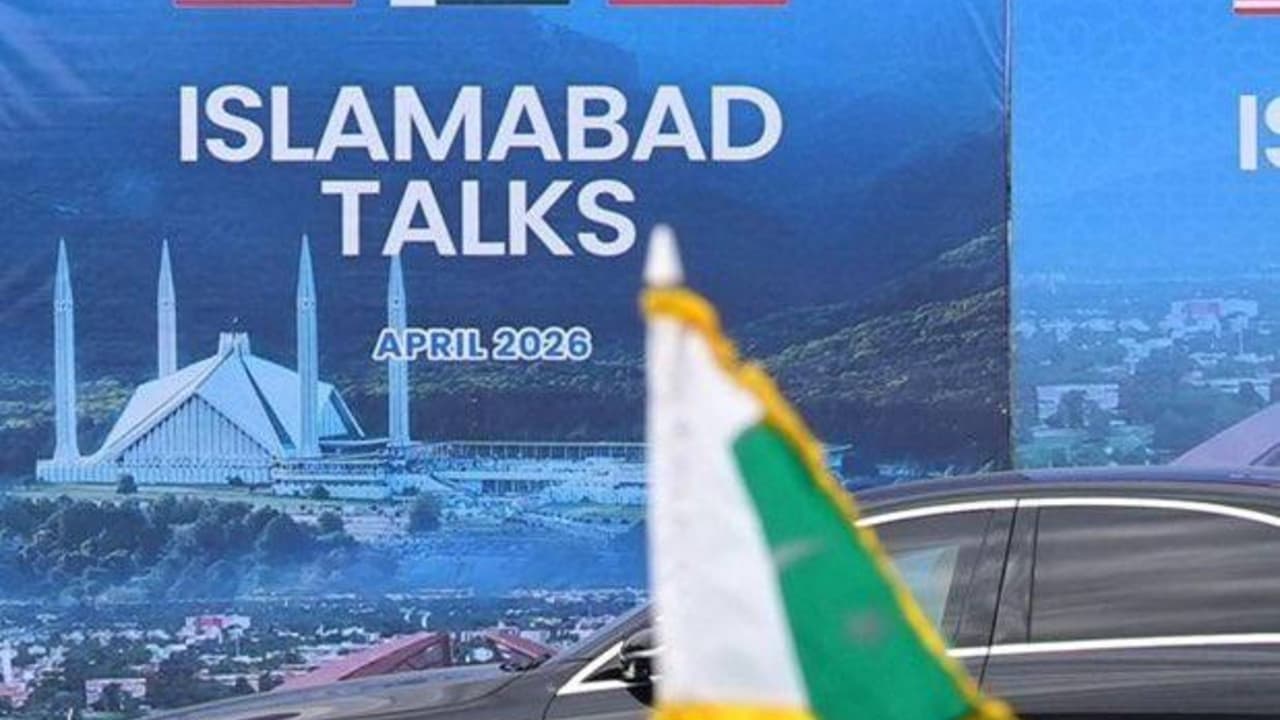
After over 20 hours of talks in Islamabad, the US and Iran failed to reach any agreement. US official JD Vance said both sides remain “worlds apart”. Major differences remain over nuclear limits, uranium stockpiles, and dismantling facilities. The US wants strict long-term restrictions, while Iran is unwilling to give up key capabilities.
The talks in Islamabad didn't end with a breakthrough. They ended with fatigue. After more than 20 hours of negotiations, what emerged wasn’t a deal. It was a clearer picture of just how far apart the two sides remain. JD Vance said it plainly: the two sides are “worlds apart.” That wasn’t diplomatic understatement. It was an accurate read of rooms where the core disagreements never moved.
The central deadlock is time. Washington wants Iran to suspend all nuclear activity for 20 years. Tehran is offering five. That gap isn’t a negotiating tactic. It defines the entire shape of any possible agreement.
For the U.S., two decades means pushing the risk far enough into the future that it effectively disappears from the strategic horizon, a deliberate attempt to avoid the slow unraveling of the JCPOA, more commonly known as the Obama deal.
Related Articles

For Iran, stretching five years to twenty stops looking like a temporary pause and starts looking like surrendering its nuclear rights permanently. The uranium question is even sharper.
The U.S. has drawn a firm line: the stockpile must leave Iran. As long as it stays, the pathway to a bomb, however delayed, is never fully closed. Iran has drawn its own line just as clearly: the uranium stays. It can be diluted and monitored, but it will not be shipped out. What Washington calls risk elimination, Tehran calls strategic vulnerability. Then there’s the infrastructure: centrifuges, facilities, technical capacity. The U.S. wants key elements dismantled. Iran hasn’t shown any willingness to even discuss it.
The conflict between end goals
Diplomacy has a tendency to treat continued dialogue as progress, and there’s some truth to that. Neither side is ready to walk away. But Islamabad made something else clear: this is no longer a fight over details at the margins. It’s a conflict between fundamentally different end goals.
The U.S. wants to ensure Iran cannot build a nuclear weapon for a generation. Iran wants to ensure that it can, even if that capability is delayed and constrained.
Until one of those positions shifts, any agreement will do what past efforts have done: reduce tensions, buy time, and leave the underlying question unanswered.
(Disclaimer: The opinions expressed are solely those of the author and do not reflect the views or stance of the organization. The organization assumes no responsibility for the content shared.)