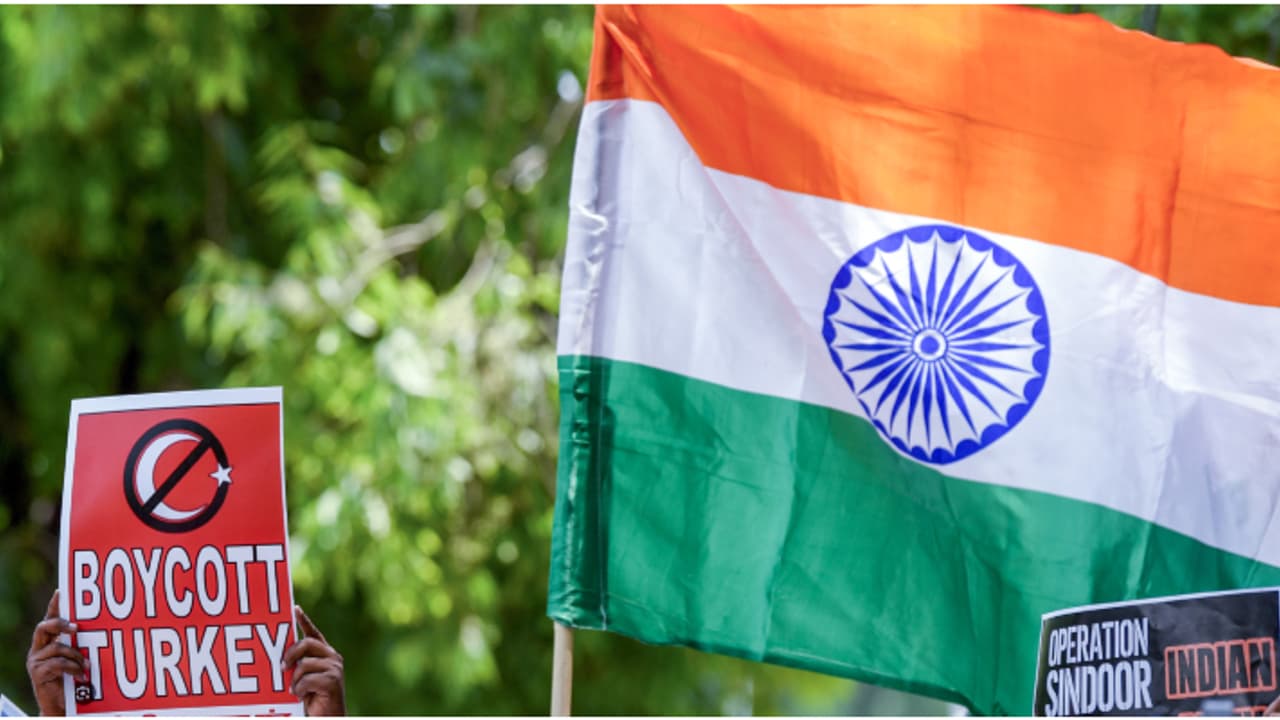
Turkey’s tourism sector suffers as Indian tourists boycott trips following Turkey’s support for Pakistan amid the India-Pakistan conflict.
Turkey is facing a major setback after publicly supporting Pakistan in the recent India-Pakistan conflict. In response, Indian tourists have begun boycotting trips to Turkey, triggering a significant crisis in the country’s tourism industry. Many Indian travelers are now opting for alternative destinations with similar appeal and more affordable costs, such as Greece and Egypt, according to national media reports.
Tourism Statistics and Economic Impact
In 2024, around 330,000 Indians visited Turkey, while 240,000 traveled to Azerbaijan, both countries benefiting substantially from Indian tourism. Indians contributed over 69 billion INR to the tourism sectors of Turkey and Azerbaijan last year. Factors like e-visa facilities, shorter flight durations, and direct flights have further boosted Azerbaijan’s popularity among Indian tourists.
Turkey, known for its rich historical sites, diverse landscapes, and relatively budget-friendly options, had long been a favorite among Indian travelers. However, Indian tourists are now shifting their focus to destinations like Kazakhstan, Armenia, Greece, Egypt, Croatia, Morocco, Georgia, and Uzbekistan as alternatives to Turkey and Azerbaijan.
Related Articles

Conflict Background: Operation Sindoor and Turkey’s Stance
The backlash intensified after the terrorist attack in Pahalgam, which led India to launch Operation Sindoor targeting terrorist bases in Pakistan and Pakistan-occupied Kashmir (PoK). Turkey took a firm stance against India by openly supporting Pakistan, which used Turkish drones during the conflict to provoke Indian forces.
This pro-Pakistan position sparked widespread calls in India to boycott Turkey. Several Indian travel agencies have temporarily suspended bookings to both Turkey and Azerbaijan. There have also been demands from various groups to ban Turkish products in India. The controversy attracted significant political attention, with many Indian politicians publicly condemning Turkey’s stance.