
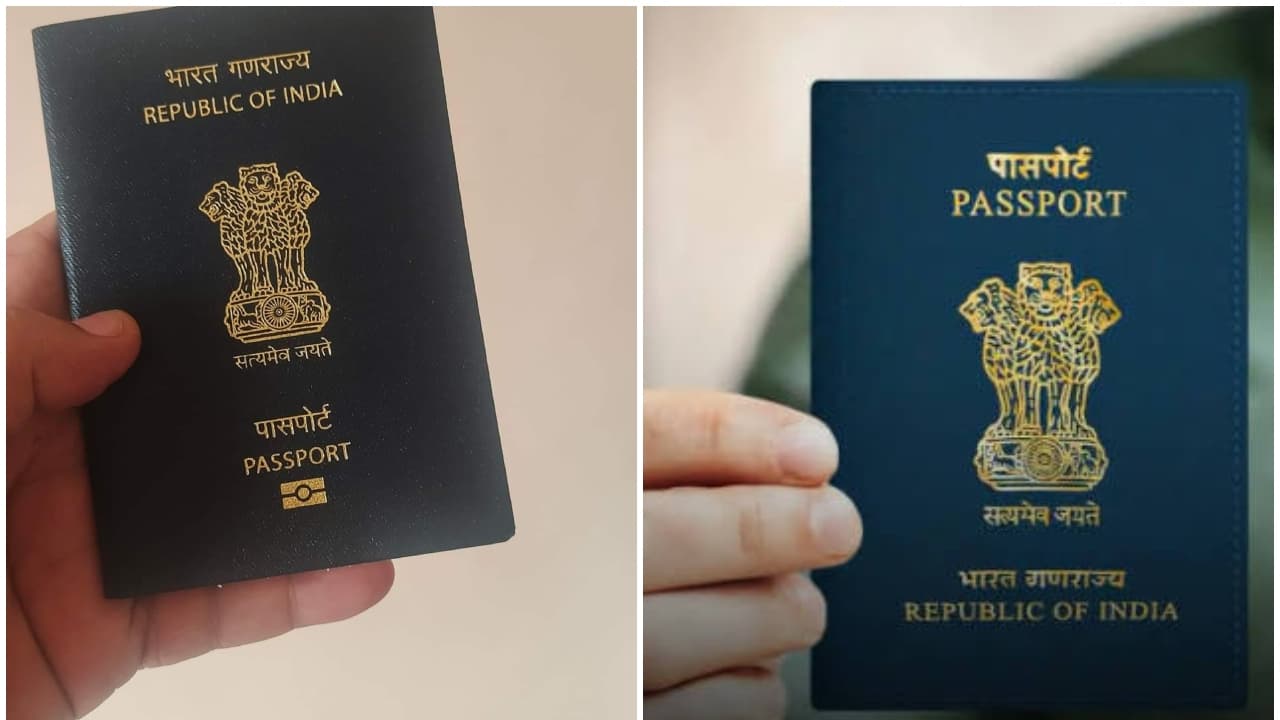
The Ministry of External Affairs (MEA) clarified that an Indian passport is a travel document, not proof of citizenship. This statement ignited widespread debate, with the public questioning what document establishes Indian nationality. The confusion grew as other documents like Aadhaar are also not considered definitive proof.
A clarification by the Ministry of External Affairs (MEA) that an Indian passport is a travel document and not proof of citizenship has ignited widespread debate online, with many social media users questioning what documents can actually establish Indian citizenship. The statement, made during the 14th Passport Seva Divas celebrations, quickly went viral and prompted reactions from citizens, legal experts and political leaders.

According to MEA officials, a passport's primary purpose is to facilitate international travel and establish the holder's identity and nationality abroad. While passports are issued only after extensive verification and due diligence, the ministry clarified that they should not be treated as conclusive proof of citizenship.
The clarification triggered confusion and criticism on social media. Many users questioned how a document issued exclusively to Indian citizens could fail to qualify as proof of citizenship. One of the most widely shared reactions asked: "So what proves I'm Indian?" Others pointed out that Aadhaar cards, PAN cards and voter IDs have also previously been deemed insufficient as standalone proof of citizenship, leading to renewed concerns about documentation requirements.
Also Read: Passport Seva Divas: MoS Singh hails remarkable transformation in services
The controversy soon spilled into the political arena. Opposition leaders questioned the government's position, asking which document citizens should rely on if passports are not considered definitive proof of citizenship. Public figures also joined the debate, with some describing the clarification as difficult to understand given the rigorous verification process involved in issuing passports.
Legal experts note that Indian citizenship is governed primarily by the Citizenship Act, 1955, and that no single document automatically establishes citizenship in every situation. Instead, citizenship may be determined through a combination of records, legal provisions and supporting documents depending on the circumstances.
The MEA's statement has therefore reopened a long-standing discussion about identity, nationality and documentation in India. While the ministry maintains that passports remain travel documents by law, the public response highlights growing confusion over what constitutes definitive proof of Indian citizenship in practice. As the debate continues online, calls for greater clarity from authorities are growing louder.
Also Read: Passport Seva Divas: India to deliver 1.5 crore passports in 2025
