
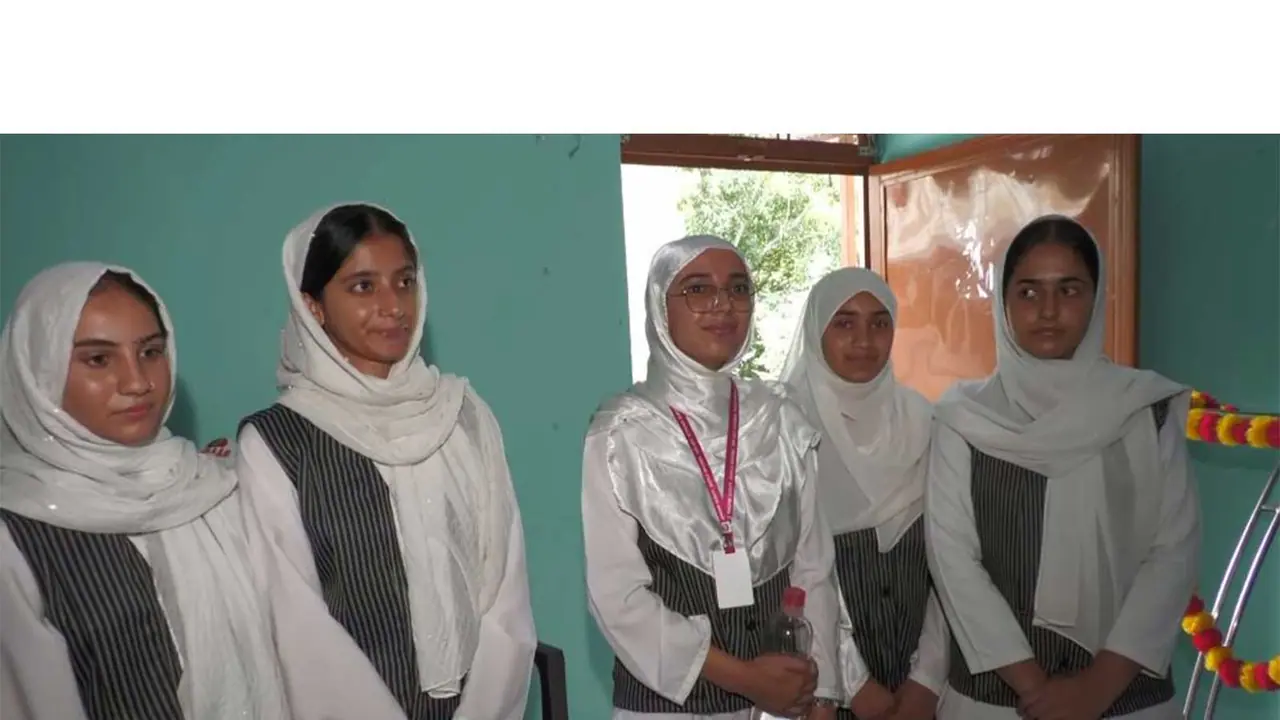
The Health Department in Poonch, Jammu and Kashmir, observed National Deworming Day by organising awareness programmes in schools and distributing deworming medicines among students to combat intestinal worm infections and promote hygiene.
National Deworming Day was observed across Poonch district in Jammu and Kashmir, with the Health Department organising awareness programmes in schools and distributing deworming medicines among students.
Awareness Drive in Schools
Health teams visited educational institutions across the district as part of the campaign and interacted with students to raise awareness about intestinal worm infections, their prevention and the importance of maintaining personal hygiene. The programme focused on encouraging children to adopt healthy habits, including washing hands regularly, keeping nails trimmed, wearing footwear and maintaining cleanliness in their surroundings.
Tackling Soil-Transmitted Helminth Infections
Deworming initiatives are aimed at reducing the burden of soil-transmitted helminth infections, which are particularly common among children and can affect their nutritional status, growth, physical development and school attendance.
Implementation and Hygiene Promotion
During the programmes, students were provided deworming medication by health workers under the supervision of the concerned authorities. Awareness sessions were also conducted to explain the importance of taking the prescribed medicine and maintaining hygiene to prevent reinfection.
The Health Department's outreach through schools is significant as educational institutions provide an effective platform for reaching a large number of children and spreading health-related awareness among families and communities.
Health workers also emphasised the importance of safe drinking water, proper sanitation and hygienic food practices in preventing infections.
A National Public Health Effort
National Deworming Day is part of the country's public-health efforts to control intestinal worm infections among children and adolescents. The programme primarily targets children and adolescents in the school-going age group and seeks to provide deworming medication through schools and other community-based platforms.
The campaign also places emphasis on behavioural change and health education, with teachers, health workers and local authorities playing an important role in informing children about hygiene and sanitation.
Improving Child Health in Poonch
In Poonch, the programme brought together health officials, school authorities, teachers and students, with awareness activities conducted alongside medicine distribution. The district's geographical terrain and scattered settlements also make school-based health interventions important for ensuring that children in different parts of the district can access essential preventive healthcare services.
The initiative is expected to contribute towards improving children's overall health and reducing the risk of worm-related complications. Health officials have urged parents and students to cooperate with frontline health workers and follow recommended hygiene practices.
The observance in Poonch is part of the wider National Deworming Day campaign being implemented across the country, reflecting the government's focus on preventive healthcare and improving health outcomes among children. Through the programme, authorities aim not only to administer deworming medicine but also to build greater awareness among children about sanitation, hygiene and healthy living practices.
(Except for the headline, this story has not been edited by Asianet Newsable English staff and is published from a syndicated feed.)