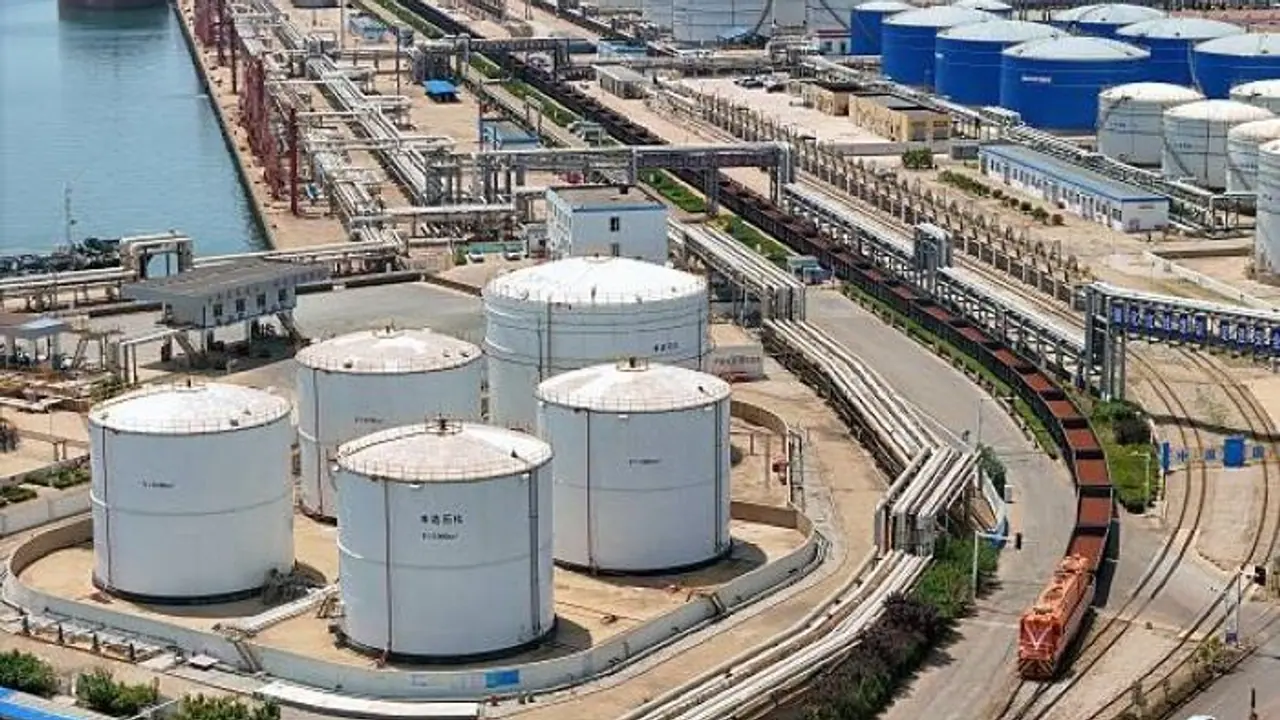
India has no immediate plans to raise fuel prices despite West Asian tensions, reassuring consumers. The country holds a 25-day reserve of crude and refined oil, providing a significant buffer against supply disruptions.
India has enough oil in its reserves for now and there is no immediate plan to increase petrol or diesel prices, government sources have clarified, offering relief to millions of consumers amid rising tensions in West Asia.
The reassurance came after news agency Asian News International (ANI) quoted sources as saying, “India has 25 days of crude oil and refined oil stocks. Scouting for alternative sources for importing crude oil, LPG and LNG. Govt Sources: No Immediate plan to raise the prices of Petrol-Diesel.”
At a time when global headlines are dominated by concerns over Iran and the Strait of Hormuz, the message from New Delhi is clear: there is no reason to panic, at least not yet.
25 Days of Oil in Hand: Why That Matters
For the average Indian, the biggest worry during global tensions is simple; will petrol and diesel become expensive overnight?
Related Articles

According to officials, Indian refiners currently have enough crude oil to meet at least 10 days of requirements. On top of that, fuel stocks can cover another 5–7 days. Combined with strategic reserves, this adds up to around 25 days of cushion.
In simple terms, even if shipments slow down briefly, pumps across the country are unlikely to run dry anytime soon.
The Strait of Hormuz: A Small Stretch With Big Impact
The real concern lies thousands of kilometres away in the Strait of Hormuz.
This narrow sea route handles nearly 20 per cent of the world's petroleum liquids and about a fifth of global LNG shipments. For India, it is even more crucial.
About half of India's crude oil imports, roughly 2.5 to 2.7 million barrels per day, pass through this route, mainly from Iraq, Saudi Arabia, the UAE and Kuwait. Nearly 60 per cent of India's LNG imports and almost all LPG shipments also transit through this stretch.
That's why any escalation in the region quickly sends global oil markets into a frenzy.
Plan B Is Ready: Alternative Suppliers Being Explored
Government sources say India is not sitting idle. Officials are scouting alternative suppliers from the United States, West Africa, Latin America and Russia. Diversifying import sources and tapping strategic petroleum reserves are part of the contingency plan.
The idea is simple; reduce dependency on a single route and stay prepared for sudden disruptions.
Also read: Iran Missile Strikes Trigger Interceptor Battle with Israel and Allies
Prices May Rise Globally, But No Immediate Hike at Pumps
While physical supplies appear secure for now, prices are another story. Brent crude recently closed near seven-month highs at around USD 73 per barrel, up more than USD 12 this year amid rising geopolitical tensions. Traders are already factoring in volatility, with some projections suggesting prices could move towards USD 80 per barrel if supply threats intensify.
However, government sources have made it clear that there is no immediate plan to increase petrol and diesel prices.