
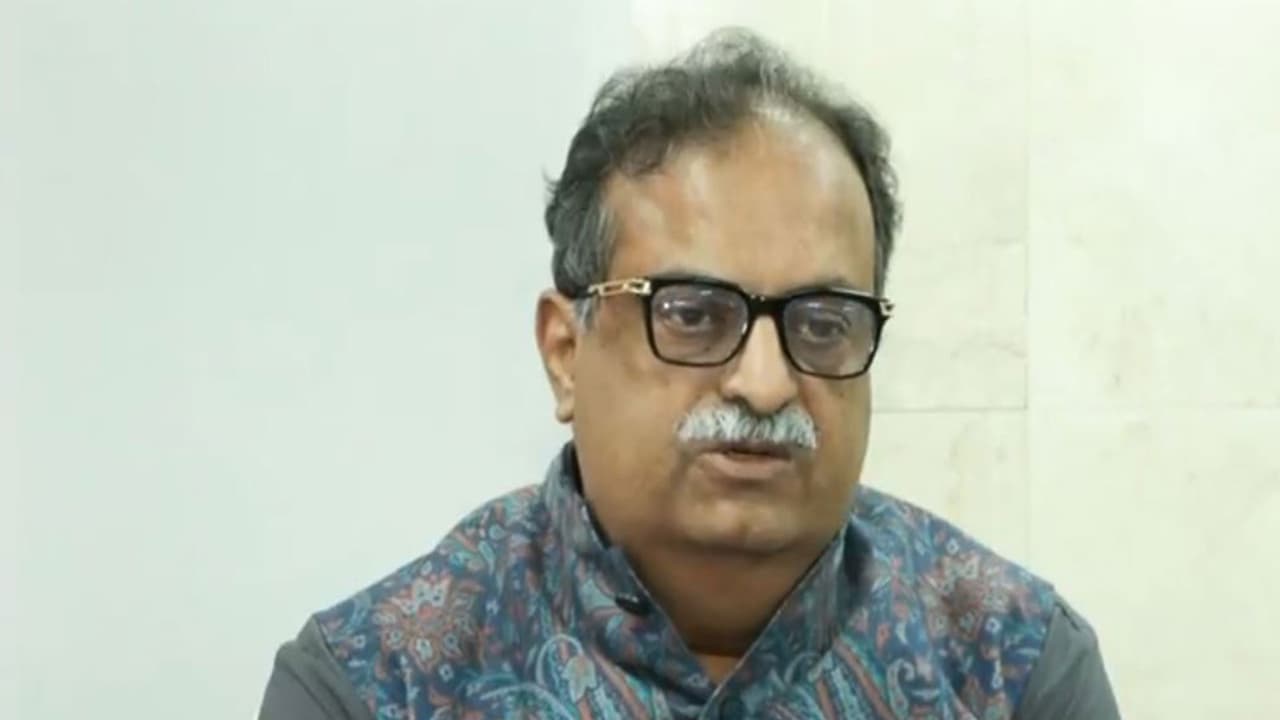
The NEET-PG 2026 exam will be held on August 30. NMC Chairperson Abhijith Sheth assured a safe and transparent exam, urging students to ignore rumours. Changes include fewer questions and a new randomized system for exam centre allocation.
The National Board of Examinations in Medical Sciences (NBEMS) will conduct the NEET-PG 2026 examination on August 30, officials said on Friday.
NMC Assures Safe, Transparent Conduct
Speaking to ANI, National Medical Commission (NMC) Chairperson Abhijith Sheth urged students to stay away from rumours circulating on social media and assured a safe and transparent conduct of the examination. "I must assure students that they should stay away from rumours, from agents and consultants. I assure the whole student community that the exam will be conducted in a very safe, secure and transparent manner. Since it is a computer-based examination, a lot of objective tools are there," Sheth said.
He further added that the chances of disruption were minimal and extended his best wishes to candidates appearing for the exam. "It is very unlikely that any problem should happen with the conduct of the examination. So, I assure all students and extend my best wishes for the forthcoming NEET-PG exam on 30th August on behalf of NBEMS, NMC and the Ministry of Health and Family Welfare," he said.
Changes in Exam Pattern
Sheth also explained the rationale behind reducing the number of questions in the exam, stating that it would give students additional time. "The Exam Committee's view was that by reducing 20 questions, students would get at least half an hour more to solve 180 questions. So, instead of increasing the duration, the committee felt it was better to reduce the number of questions at the same time," he said.
New Exam Centre Allocation Policy
On the allocation of exam centres, he clarified that the "first come, first served" system has been scrapped. "Candidates are asked to select three preference states in NEET-PG 2026. The correspondence state will mandatorily be the first preference state, and the other two from neighbouring states. City allocation will not be done on a first come first served basis. First preference will be given to PwBD candidates. Remaining allocation will be done through a randomised sequence based on correspondence address/pincode," he said.
He added that efforts will be made to allot centres within 250 km of a candidate's location, depending on availability. (ANI)
(Except for the headline, this story has not been edited by Asianetnews Editorial staff and is published from a syndicated feed.)