
On February 3, the top court had also directed the central government to produce original records relating to its decision to block the BBC documentary. On January 21, the government had issued directions for blocking multiple YouTube videos and Twitter posts sharing links to the controversial documentary.
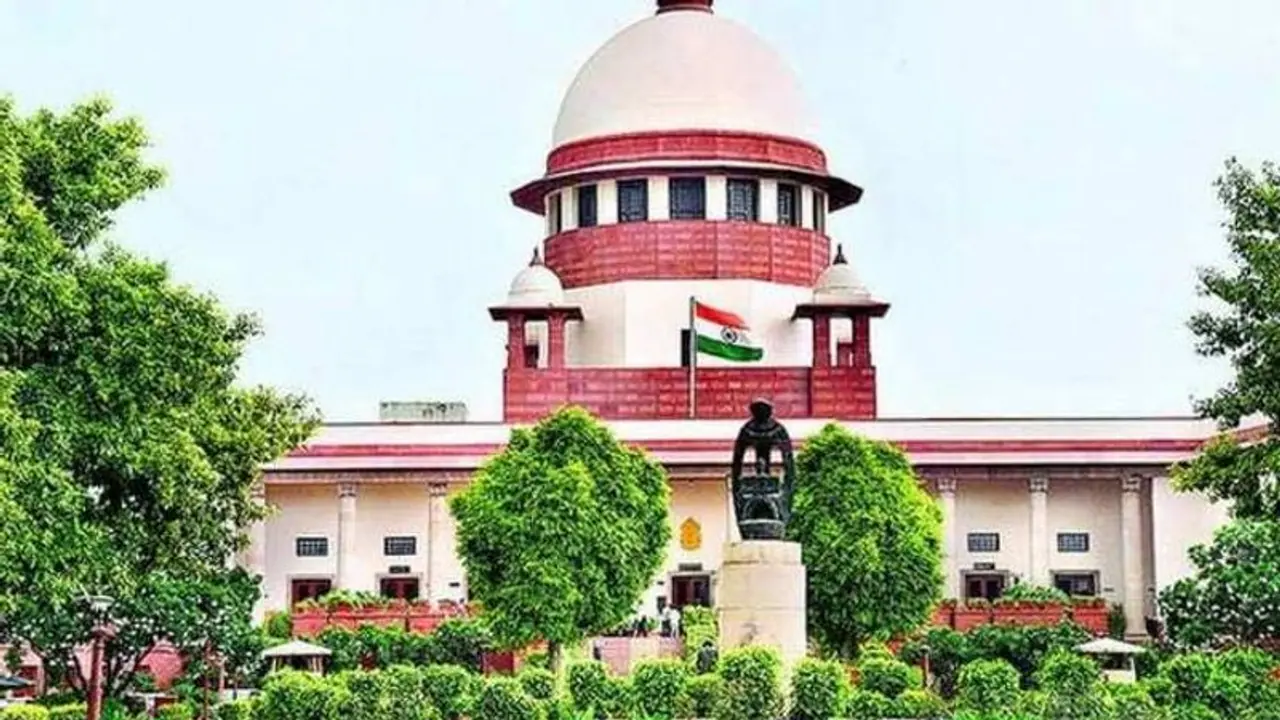
The Supreme Court on Friday (February 10) dismissed a plea seeking to impose a complete ban on the British Broadcasting Corporation (BBC) in India, saying it is "entirely misconceived".
A bench comprising Justices Sanjiv Khanna and MM Sundresh passed the order while hearing a plea filed by Vishnu Gupta, president of the Hindu Sena, and Beerendra Kumar Singh, a farmer. "The writ petition is entirely misconceived and has no merit and is accordingly dismissed," the bench said.
Also read: 'India reforming out of conviction, not compulsion': PM Modi at UP Global Investors Summit 2023
The plea alleged that the BBC has been biased against India and the Indian government. It also said that its documentary on Prime Minister Narendra Modi is a "result of deep conspiracy against the global rise of India and its prime minister".
"The documentary film by BBC relating to Gujarat violence 2002 implicating Prime Minister Narendra Modi is not only reflective of anti-Narendra Modi cold propaganda broadcast to tarnish his image alone but this is anti-Hinduism propaganda by the BBC to destroy the social fabric of India," the plea had alleged.
On February 3, the apex court had sought responses from the Centre and others on the separate petitions challenging its decision to block the documentary.
Also read: Rajasthan Budget 2023 goof up: CM Ashok Gehlot reads out excerpts of old budget; uproar in House
The pleas, on which notice was issued by the top court, have been filed by veteran journalist N Ram, Trinamool Congress MP Mahua Moitra, activist lawyer Prashant Bhushan and lawyer ML Sharma.
On February 3, the top court had also directed the central government to produce original records relating to its decision to block the BBC documentary. On January 21, the government had issued directions for blocking multiple YouTube videos and Twitter posts sharing links to the controversial documentary.
