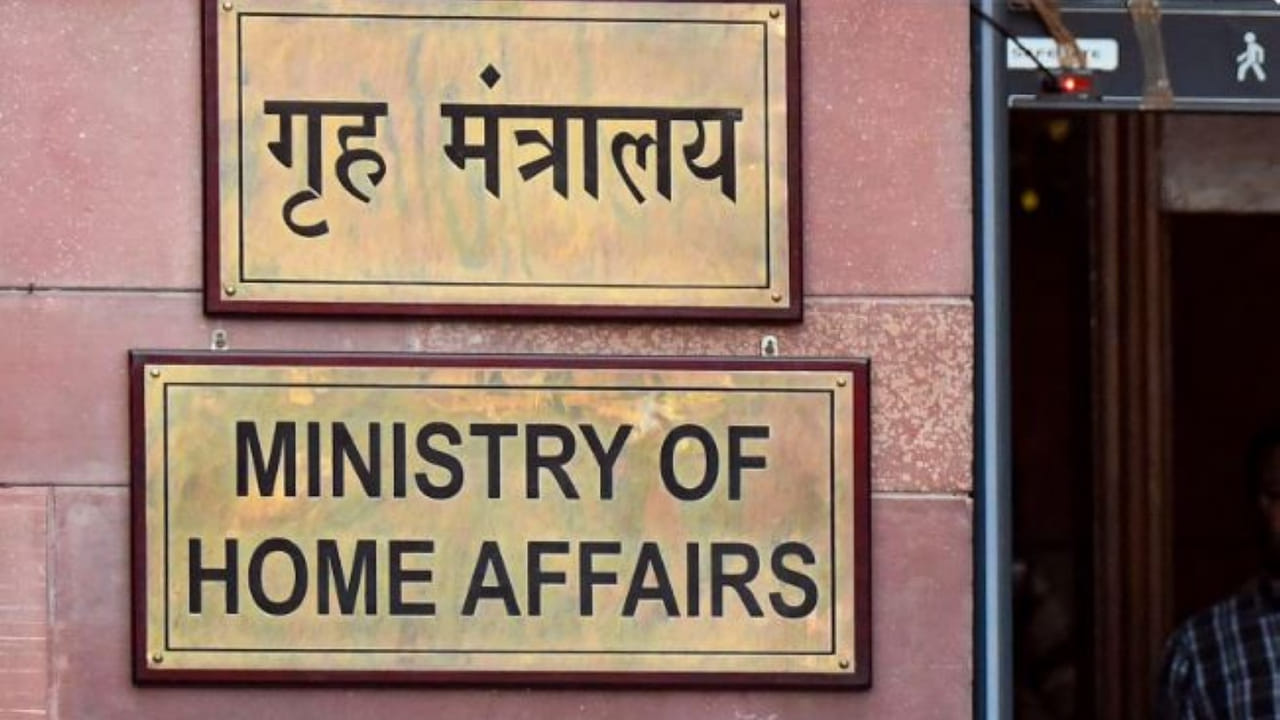
The MHA has empowered state governments to utilize Sections 7 and 8 of the UAPA against the banned Islamic Research Foundation (IRF), enabling them to seize the group's financial assets and properties amid extended national security concerns.
New Delhi [India], November 27 (ANI): The Ministry of Home Affairs (MHA) has directed state governments and Union Territory administrations to exercise powers under specific sections of the Unlawful Activities (Prevention) Act, 1967, against fugitive preacher Zakir Naik’s Islamic Research Foundation (IRF). The ministry empowered the states and the UTs to exercise Sections 7 and 8 of the Unlawful Activities (Prevention) Act, 1967, against the IRF.
Sections 7 and 8 of the UAPA empower the Central government to cut off financial resources and physical premises used by an association declared unlawful under Section 3 of the Act. The ministry announced the delegation of powers under Sections 7 and 8 of the UAPA to the states and UTs through a notification issued late on November 26. The move comes days after the ministry extended the five-year ban on the IRF under the UAPA for the third consecutive time on November 13.
“…In exercise of the powers conferred by section 42 of the Unlawful Activities (Prevention) Act, 1967 (37 of 1967), the Central Government hereby directs that all powers exercisable by it under sections 7 and 8 of the Unlawful Activities (Prevention) Act, 1967 shall also be exercised by the State Governments and the Union territory administrations in relation to the above-said unlawful association,” the notification reads.
On November 13, the MHA extended the ban on the IRF as an unlawful association for another five years, stating that the organisation had been indulging in activities prejudicial to the security of the country and had the potential to disturb peace and communal harmony, as well as disrupt the secular fabric of the country.
The IRF was founded in February 1991 in Mumbai by Naik, who left India and moved to Malaysia, where he obtained permanent residency. The MHA had declared the IRF an unlawful association on November 17, 2016, under Sections 3(1) and 3(3) of the Unlawful Activities (Prevention) Act, 1967, and banned the organisation for five years. The ban was subsequently extended on November 15, 2021. Indian authorities and intelligence agencies have accused Zakir Naik and the IRF of delivering inflammatory speeches and promoting religious enmity and hatred between communities.
The ministry had announced the extension of the ban on the IRF through a notification issued in exercise of the powers conferred by Sub-section (1) of Section 3 of the Unlawful Activities (Prevention) Act, 1967. “In exercise of the powers conferred by Sub-sections (1) and (3) of Section 3 of the Unlawful Activities (Prevention) Act, 1967 (37 of 1967), the Central Government hereby declares the Islamic Research Foundation (IRF) as an unlawful association and directs that this notification shall, subject to any order that may be made under Section 4 of the said Act, have effect for a period of five years from the date of its publication in the Official Gazette,” the notification issued then reads.
As per the notification, the Central government thought that “the IRF and its members, particularly, the founder and President of the IRF, Zakir Abdul Karim Naik alias Dr. Zakir Naik, has been encouraging and aiding its followers to promote or attempt to promote, on grounds of religion, disharmony or feelings of enmity, hatred or ill-will between different religious communities and groups which are prejudicial to the integrity and security of the country.”
The ministry cited the statements and speeches made by Zakir Naik as objectionable and subversive while explaining the extension of the ban. Through such speeches and statements, the MHA said, Naik had been promoting enmity and hatred among different religious groups and inspiring youths of a particular religion in India and abroad to commit terrorist acts. The MHA also said Naik had made radical statements and speeches to millions of people worldwide through international satellite television networks, the internet, print and social media.
According to the MHA, if the unlawful activities of the IRF were not curbed and controlled immediately, the organisation could continue its subversive activities and reorganise its activists who were still absconding, disrupt the secular fabric of the country by creating communal disharmony, propagate anti-national sentiments, escalate secessionism by supporting militancy and undertake activities prejudicial to the sovereignty, integrity and security of the country.
The Unlawful Activities (Prevention) Tribunal, constituted under Section 5 of the Unlawful Activities (Prevention) Act, 1967, to adjudicate whether sufficient grounds existed for declaring the IRF an unlawful association, confirmed the declaration through its orders dated May 22, 2017, and March 30, 2022. (ANI)