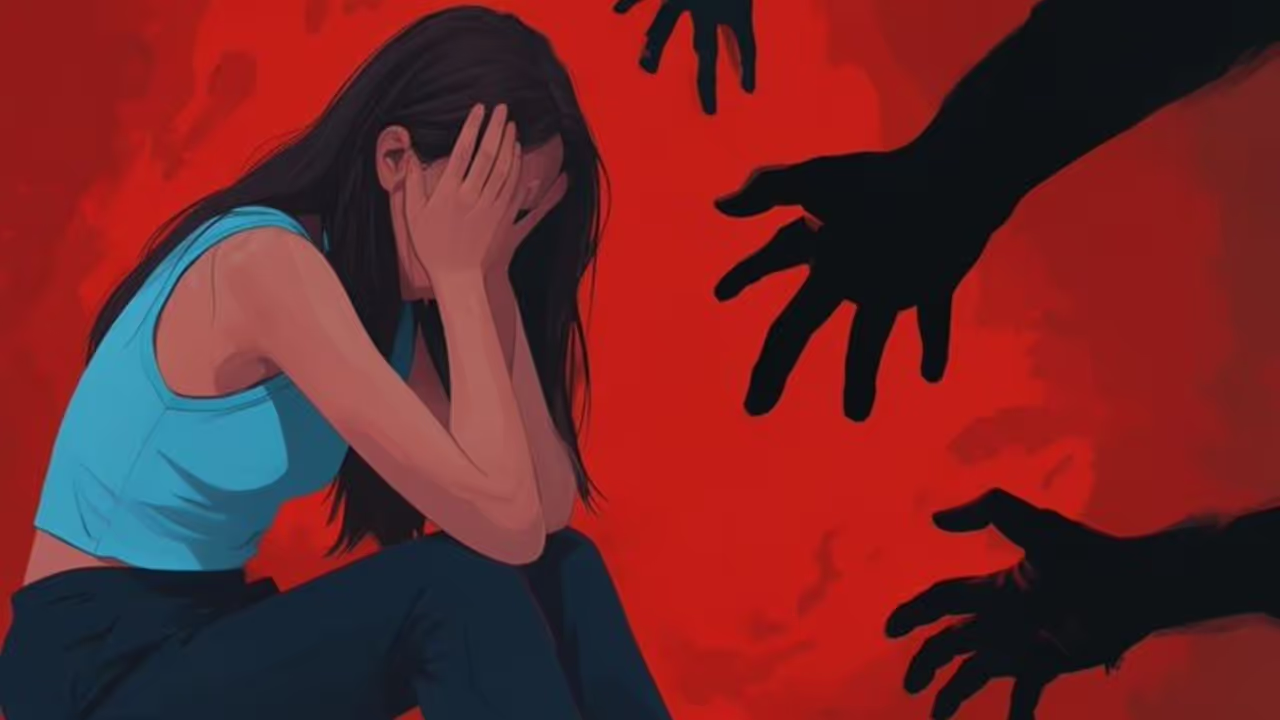
A Kuki-Zo woman who was gang-raped during Manipur's 2023 ethnic violence died in January 2026 without seeing justice. The survivor suffered severe long-term physical and psychological injuries from the assault.
A young Kuki-Zo woman who survived a brutal abduction and gang rape during the height of ethnic violence in Manipur in 2023 has died on January 10, 2026, without ever seeing justice served. The incident, which occurred nearly three years earlier, has reignited outrage over systemic delays in addressing sexual violence and holding perpetrators accountable amid one of India’s most protracted communal conflicts.
The woman, identified in reports by her family’s testimony and community organizations, was just 18 when she was attacked on May 15, 2023, a time when clashes between the majority Meitei and minority Kuki communities had escalated sharply. While attempting to withdraw cash from an ATM in Imphal’s New Checkon Colony, she was intercepted by a mob, questioned about her identity, and allegedly handed over to armed men.
According to accounts compiled by community groups and corroborated in news reporting, the assailants blindfolded her, bound her hands, and transported her to multiple locations where she was subjected to repeated sexual and physical violence. Despite being left for dead, she managed to escape and was later rescued by an autorickshaw driver, who brought her to safety and medical care.
Related Articles

After initial treatment in Manipur, she was transferred to a private hospital in Guwahati, where she underwent prolonged and extensive medical care over the next several years. Doctors treating her noted she suffered severe internal injuries, recurring infections, and long-term complications — including damage to her reproductive organs — which continued to degrade her physical health.
Beyond her physical wounds, she endured profound psychological trauma. Loved ones described how the once lively young woman withdrew from social life, experienced constant fear and insomnia, and developed symptoms of severe post-traumatic stress. Reports say her mental health deteriorated as she struggled with the stigma of what had been done to her, eventually affecting her ability to engage with the world around her.
Despite an FIR being registered under multiple sections of the Indian Penal Code — including those covering rape and attempted murder — and the case being transferred to the Central Bureau of Investigation (CBI) in July 2023, no arrests have been made in connection with her assault. Lawyers and activists involved in the case have expressed deep frustration at the lack of progress, noting that the failure to apprehend suspects reflects broader institutional apathy toward crimes committed during the Manipur conflict.
Her death has become emblematic of the deep injustices faced by victims of gender-based violence in conflict zones, where legal processes often lag and victims are left to navigate trauma and recovery without closure. Community leaders and tribal organizations have condemned both state and central authorities for their slow response, with advocacy groups calling her passing “a damning indictment” of systemic failures.
Candlelight vigils held in her memory in Churachandpur and other regions underscored the pain of her community and the urgent demands for accountability and reform. Spokespersons for tribal unity groups lamented that she “survived the violence but not the silence” of a justice system that moved too slowly to save her.
Her tragic death has once again put a spotlight on the ongoing ethnic strife in Manipur, where multiple reports of sexual violence and other atrocities have emerged since 2023, drawing widespread condemnation and calls for sustained legal and social action to protect vulnerable communities and ensure that justice is not denied to future victims.