
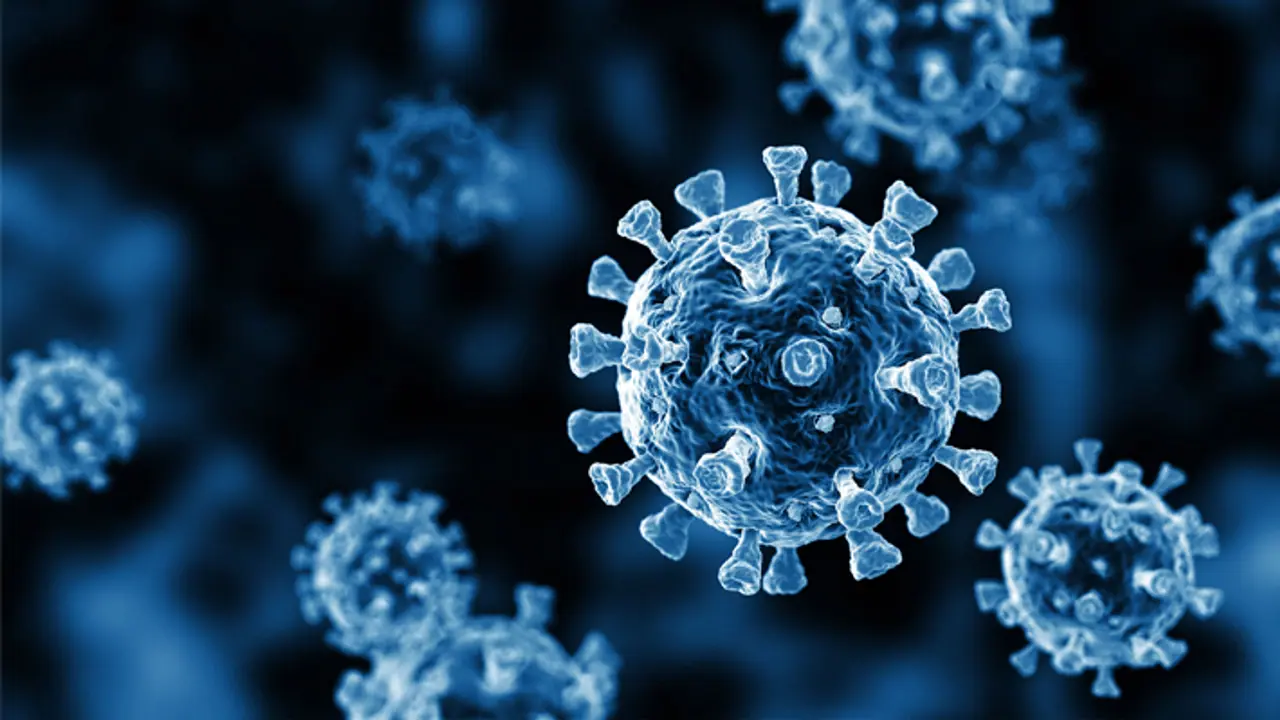
JN.1, a sub-variant of COVID-19, infects people who have had previous COVID-19 infections and also people who were vaccinated. The case was detected in Thiruvananthapuram.
Dr. Rajiv Bahl, the Director General of the Indian Council of Medical Research (ICMR), revealed that a case of the JN.1 subvariant of COVID-19 was detected in Kerala on December 16. This was made during the routine surveillance conducted by INSACOG (Indian SARS-CoV-2 Genomics Consortium).
A mock drill is taking place in health facilities across states as part of the routine exercise conducted by the Union Health Ministry. The purpose is to evaluate the public health and hospital preparedness measures in these facilities.
"JN.1 is a severely immune-evasive and fast-spreading variant, markedly different from XBB and all other prior versions of this virus. This enables it to infect people who had previous Covid infections and also people who were vaccinated", Dr. Rajiv Bahl said.
The Union Health Ministry is actively engaged in communication with State Health Authorities, ensuring coordination and information exchange. They are closely monitoring the situation to stay abreast of developments and respond effectively to any emerging needs or challenges related to public health and hospital preparedness.
INSACOG is a network of genomic laboratories monitoring COVID-19 in India, with ICMR being a part of it. Following revised guidelines, individuals with Influenza-Like Illness (ILI) and Severe Acute Respiratory Infection (SARI) symptoms are tested for COVID-19, and positive cases are referred for Whole Genome Sequencing (WGS).
The specific case was identified in a sample from Karakulam, Thiruvananthapuram, Kerala, on December 8, 2023. The sample had tested positive for COVID-19 on November 18, 2023. The patient experienced mild Influenza-Like Illness (ILI) symptoms and has since recovered.
There has been a rise in COVID-19 cases in Kerala in recent weeks, primarily due to an increase in testing of ILI cases. The majority of these cases are mild, with patients recovering at home without requiring treatment.
