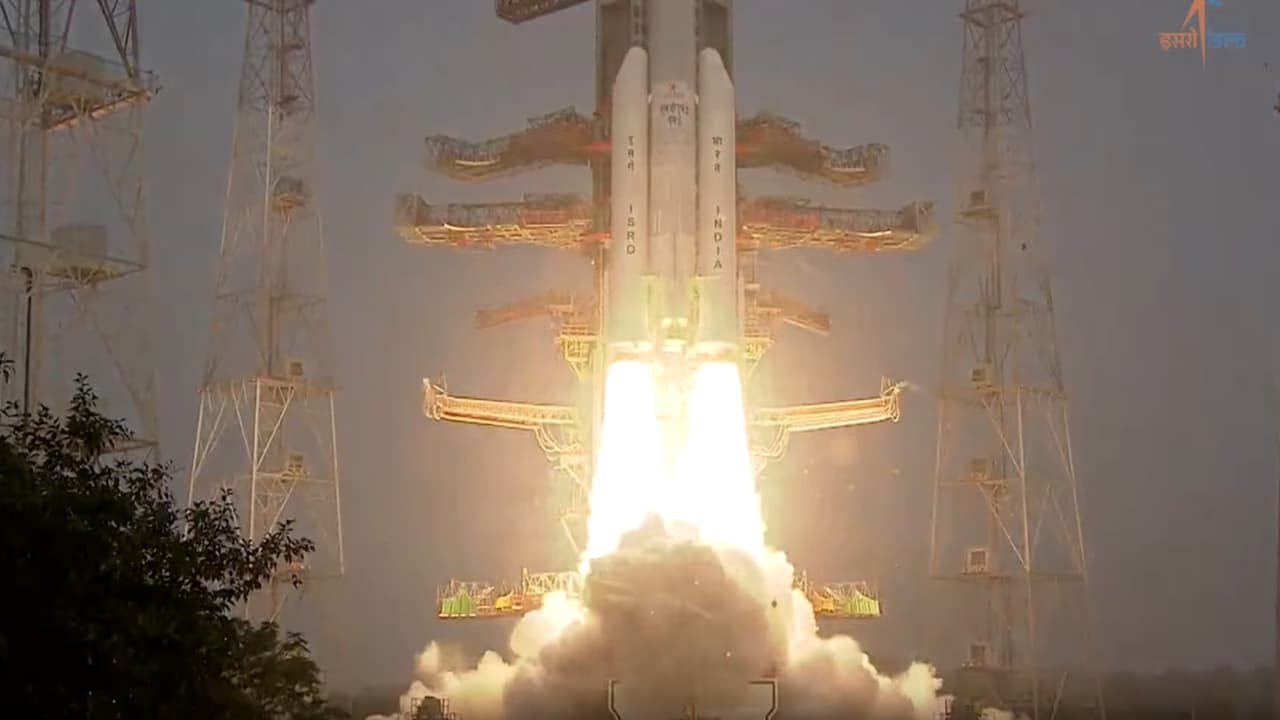
On January 12, 2026, ISRO’s PSLV-C62 mission failed after a third-stage malfunction, causing the loss of all 16 satellites. The rocket deviated from its trajectory, marking the second PSLV failure in nine months after a similar issue in May 2025.
India’s PSLV-C62 mission on January 12, 2026, ended in failure due to a third-stage anomaly, resulting in the loss of all 16 satellites on board, including DRDO’s EOS-N1 (Anvesha). The Polar Satellite Launch Vehicle, long considered ISRO’s reliable workhorse, deviated from its intended trajectory near the end of the solid-fuel third stage (PS3) burn, which provides the final thrust needed for orbital insertion. This setback marks the second consecutive PSLV failure within nine months, following a similar glitch during the PSLV-C61 mission in May 2025.
According to India Today, the anomaly prevented the rocket from achieving the required orbital speed and path, meaning the upper stage and satellites could not remain in space. “Because the rocket did not achieve the required forward velocity to stay in orbit — the precise balance where an object keeps ‘falling around’ Earth instead of back toward it — the upper stage and attached payloads could not remain in space,” the report explained.
By the evening of January 12, 2026, the upper stage and satellites had likely re-entered the dense lower atmosphere, where intense friction caused them to burn up brightly like shooting stars. Any small fragments that survived re-entry are believed to have fallen harmlessly into the ocean, posing no danger to people or infrastructure.
Related Articles

ISRO Chairman V. Narayanan confirmed that detailed analysis of telemetry data is underway to identify the cause of the deviation. “The performance of the vehicle at the end of the third stage was as expected. However, towards the end, we are seeing more disturbance in the vehicle, followed by a deviation in the flight path,” he said.
Experts and analysts note that back-to-back PSLV anomalies are rare and underline the importance of scrutinising the rocket’s third-stage solid-fuel design and launch protocols to prevent similar failures in future missions.
The mission carried a mix of strategic, scientific, and commercial payloads, including satellites from private Indian startups, which now face delays in testing and deployment. This incident also raises concerns about the 2026 launch calendar, which includes critical projects such as NavIC navigation satellites, international commercial payloads, and India’s human spaceflight program, Gaganyaan.
Historically, the PSLV has a strong track record, with notable successes like Chandrayaan-1, Mangalyaan, and Aditya-L1, making this failure a significant anomaly.
As India Today notes, the lack of sufficient orbital velocity and subsequent atmospheric re-entry determined the fate of the satellites: they did not drift indefinitely in space, but were destroyed by re-entry heating, with any remnants landing in the sea.
ISRO officials emphasise that lessons from this mission will guide design reviews, quality assurance, and future operational planning, ensuring that India’s reputation for cost-effective and reliable satellite launches is maintained.