
At a global conference, India highlighted its 3000-year democratic legacy, from Vedic assemblies to 10th-century village elections, asserting its traditions are ancient and not Western-derived, linking them to its modern electoral success.
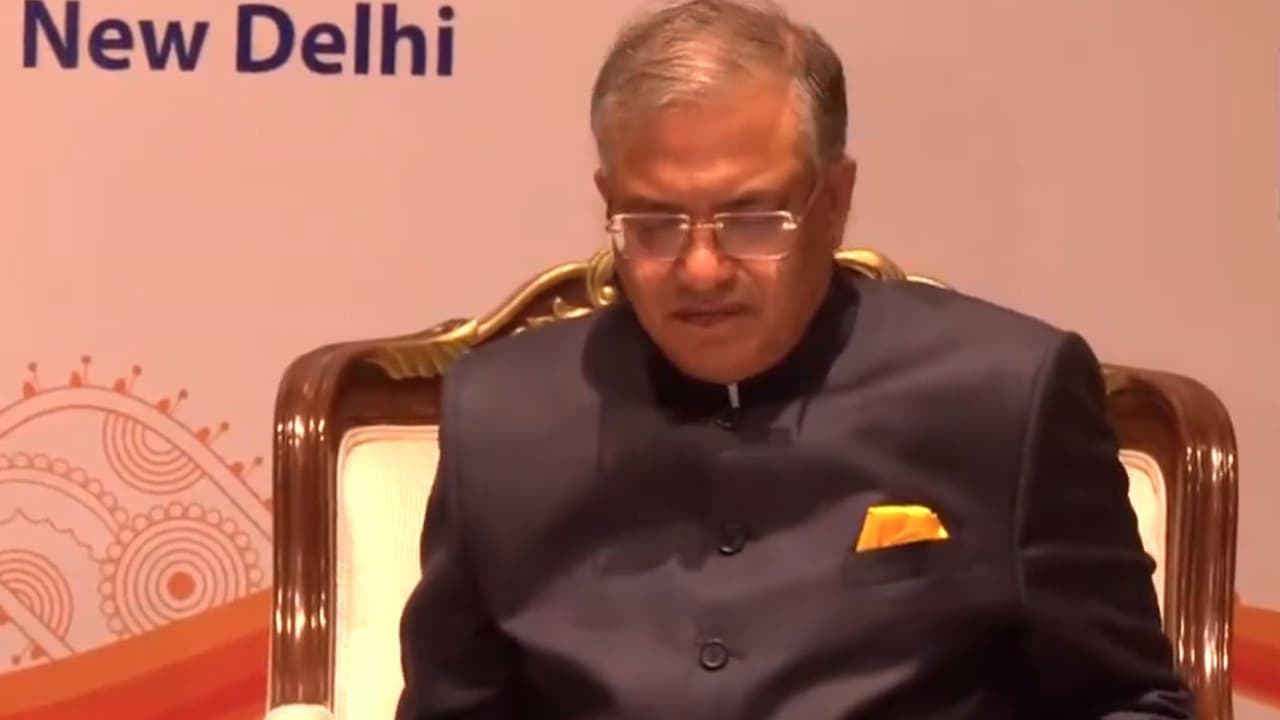
When Chief Election Commissioner Gyanesh Kumar welcomed delegates from over 70 countries to the India International Conference on Democracy and Election Management (IIICDM) recently, the backdrop told a story that spanned more than three thousand years. Sanskrit hymns from the Atharva Veda, dating back to 1200-1000 BCE, filled the venue, highlighting democratic ideals that flourished in Rig Vedic society through assemblies known as Sabha and councils called Samiti. The choice was deliberate, sending a strong message that India's democratic tradition is not borrowed from the West, but deeply rooted in its ancient civilisation.
For the international delegates gathered at what organisers described as the world's largest conference on election management, the presentation offered a rare glimpse into India's rich democratic heritage, which predates modern parliamentary systems by millennia.
The Uthiramerur Inscriptions: A 10th-Century Electoral System
Among the most striking examples presented were stone inscriptions from the 10th century AD, discovered in the Vaikuntha Perumal Temple in Uthiramerur, Kancheepuram District. The inscriptions describe an elaborate system of village governance, complete with functional committees and representative assemblies familiar to modern observers.
The inscriptions revealed the sophistication of the electoral system of that time. Villages were divided into wards, with residents electing their representatives through the "Kudavolai" system, an ancient method using palm-leaf ballots placed in earthen pots. The system had well-defined codes governing elections, along with strict qualifications and disqualifications for candidates. The 10th-century elections reflected a mature political culture that valued representation and accountability.
Vaishali: Home to an Early Republic
The conference also highlighted Vaishali, home to the Stupa and Ashokan Pillar, where one of the world's earliest republics was established by the Licchavis in the 6th century BCE. The republic operated through a sophisticated governance system with elected representatives and collective decision-making, centuries before similar systems emerged in ancient Greece or Rome. The Licchavi Republic featured a general assembly of representatives making decisions through voting, a council of ministers, and a system of checks and balances to prevent the concentration of power.
Bridging Ancient Traditions with Modern Elections
The juxtaposition of ancient democratic ideals with India's modern electoral machinery impressed the visiting delegates. India today operates the world's largest democracy, managing elections for over 900 million voters across a diverse landscape. The message was clear: India's contemporary democratic achievements are a continuation of a tradition that has evolved over centuries. From Vedic assemblies to Uthiramerur village councils, from the Licchavi republic to the modern Election Commission, the thread of democratic practice runs unbroken through Indian history.
Showcasing Democratic Heritage on a Global Stage
The conference, held from January 21-23, brought together heads and senior officials of election management bodies from across the globe, along with ambassadors from several nations. The gathering reflected India's growing global leadership in electoral management and provided an opportunity to share insights drawn from both ancient wisdom and modern innovation.
As India assumes the Chairship of International IDEA, the presentation of its democratic heritage served as a reminder that the principles of representation, participation, and accountability are universal aspirations expressed across civilisations. For delegates leaving the conference, they carried not just knowledge of India's contemporary electoral systems but also an understanding that the world's largest democracy stands on foundations laid more than three millennia ago, when ancient seers envisioned governance through collective wisdom and popular consent. (ANI)
(Except for the headline, this story has not been edited by Asianet Newsable English staff and is published from a syndicated feed.)