Born during World War II due to a rice shortage, this Bengaluru invention by MTR - Rava Idli - became one of India's most loved breakfast dishes. Read the full story to know its history and how it evolved into a culinary classic.
Every morning in Bengaluru, clouds of steam rise from tiffin counters, office canteens, and home kitchens. Plates glide across steel counters - some carrying pillowy white rice idlis; others stacked with grainier, golden rava idlis with a dab of ghee and a roasted cashew.
Today, both feel inseparable from South Indian breakfast culture. But one of them exists because of a global crisis.
The rava idli was not born out of culinary experimentation or luxury. It was born in the shadow of war.
Related Articles

How Rice Shortage During World War II Gave Birth to Rava Idlis
During World War II, Japan’s invasion of Burma severed India’s rice supply chain. As the British administration diverted remaining stocks to feed European troops and civilians, South India where rice anchors everyday meals was pushed into a severe shortage.
Restaurants struggled. Households improvised. Even iconic food institutions found themselves cornered.
Among them was a family-run eatery in Bengaluru, the Brahmin Coffee Club, later renamed Mavalli Tiffin Rooms (MTR).
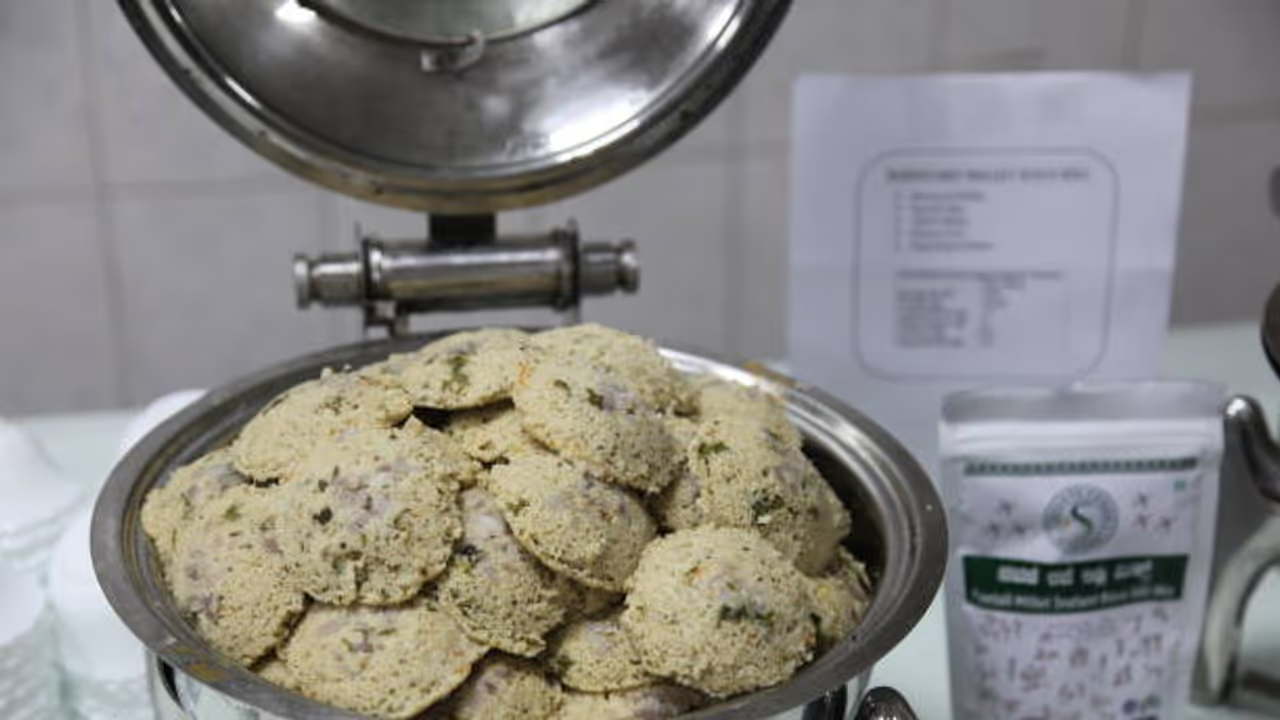
Without enough rice to prepare traditional idli batter, the founders at MTR found a solution. They turned to semolina, locally known as rava. Mixed with fresh curd, tempered generously in ghee with mustard seeds and crunchy cashews, the batter was steamed just like a conventional idli.
What emerged was no mere substitute.
The rava idli didn’t just survive scrutiny. It won hearts.
From Crisis Creation to Culinary Classic
Founded in 1924, MTR went on to become a cornerstone of Bengaluru’s food culture, pioneering hygienic dining practices and later introducing ready-to-cook mixes during the Emergency era.
Through decades of change, expansion, and modernisation, one creation quietly endured: the rava idli.
Even today, MTR steams hundreds of rava idlis daily. Its packaged mixes travel far beyond Karnataka, reaching kitchens across India and abroad. What was once born from scarcity now anchors breakfast nostalgia for lakhs of families.