
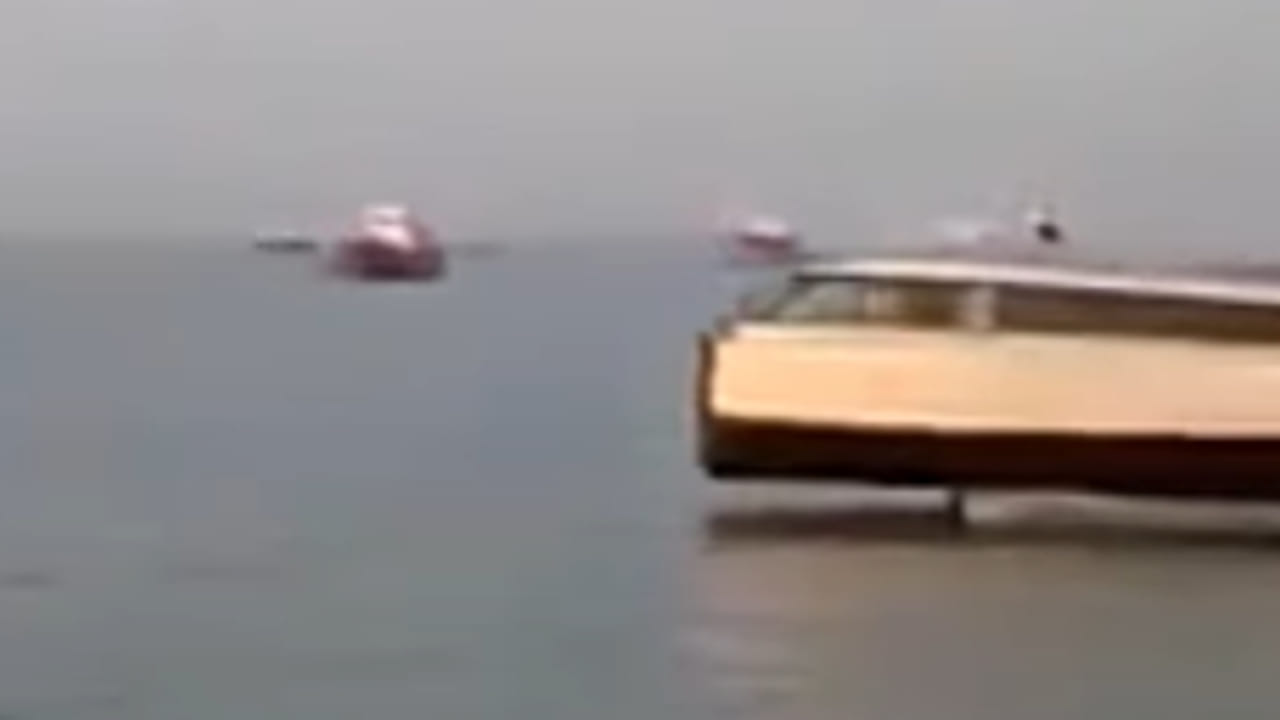
Maharashtra is conducting trials of the Candela P-12, India's first fully electric hydrofoil vessel imported from Sweden. Using underwater wings, the boat lifts above the water, reducing drag and offering a smoother, quieter ride.
India is exploring a new possibility in water transport as Maharashtra conducts trials of the Candela P-12, the country's first fully electric hydrofoil vessel, imported from Sweden. The vessel has attracted attention for its unusual design, which allows it to lift above the water while travelling. Unlike conventional boats, which move through the water with their hulls submerged, the Candela P-12 uses advanced underwater wings to raise its body above the surface. The trials mark an interesting development in India's efforts to explore cleaner and more efficient modes of water transportation.
How Does The Flying Electric Boat Work?
The Candela P-12 uses a technology known as hydrofoiling. It is equipped with underwater wings, called hydrofoils, which generate lift as the vessel gathers speed. This allows most of the hull to rise above the water, significantly reducing drag and resistance. As a result, the vessel can offer a smoother and quieter ride compared to conventional boats. Its fully electric propulsion system also eliminates direct exhaust emissions during operation, making it an alternative worth exploring for passenger water transport. The unusual mechanism gives the impression that the boat is flying just above the water's surface.
Viral Video: Leopard Walks Into Kitchen After Entering House In Uttarakhand! (WATCH)
Viral Video: Miners Extract Giant Amethyst Crystal Worth Thousands Of Dollars In Namibia! (WATCH)
Maharashtra Trials Could Open New Possibilities
The trials of the Swedish-built vessel have brought attention to the potential of electric water transport in India. With waterways offering an alternative to increasingly crowded roads, such technology could open up new possibilities for passenger connectivity in the future. Electric hydrofoil vessels may also help reduce noise and emissions associated with conventional water transport. However, the outcome of the trials will be important in determining the vessel's suitability for Indian conditions and its potential for wider use. If successful, the technology could mark a significant step towards modernising water-based public transport in the country.










