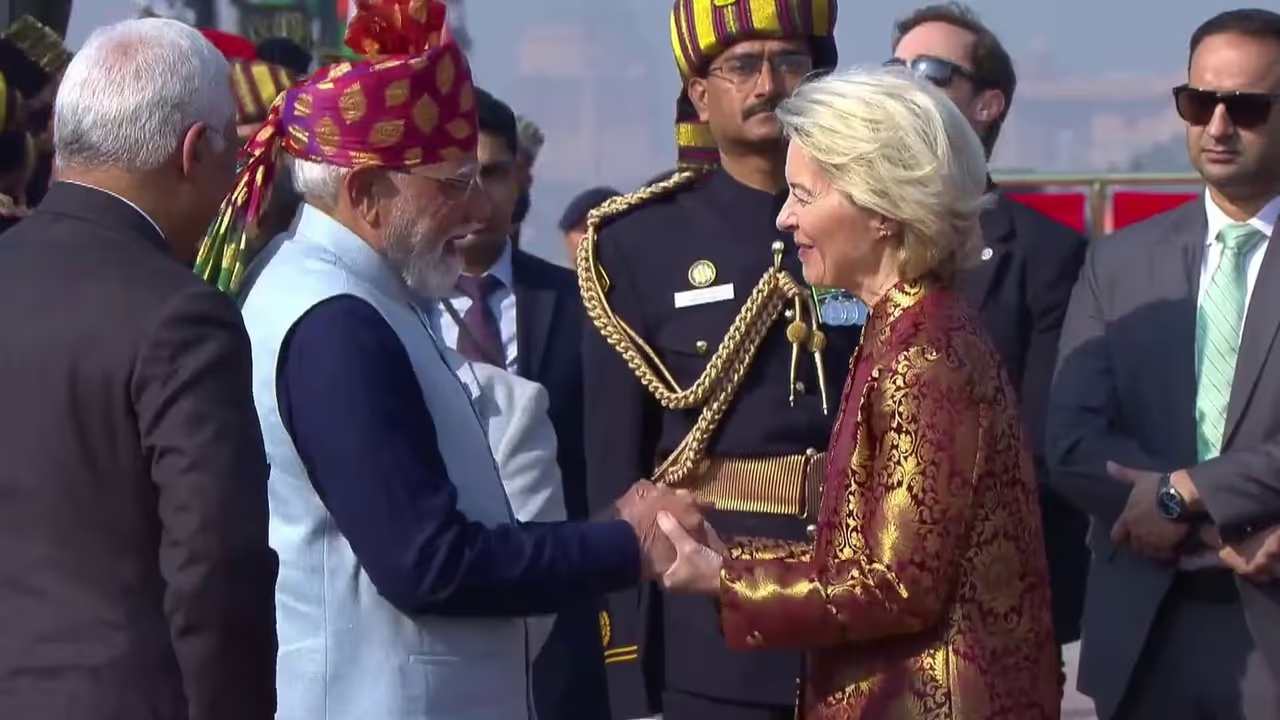
India and the EU have concluded a major FTA after years of negotiations. The pact will eliminate or reduce tariffs on over 90% of goods, boosting bilateral trade. Indian sectors like textiles and gems will gain better access to the EU market.
India and the European Union have successfully concluded negotiations on a comprehensive Free Trade Agreement (FTA) that marks one of the most significant economic pacts in recent decades. The deal -- long in the making and often described as the “mother of all trade deals” -- reflects a deepening strategic and economic partnership between New Delhi and the 27-member EU bloc.
Historical Context & Strategic Importance
The FTA negotiations began in 2007 and were reinvigorated in 2022 after years of stalled talks.
Finalised in January 2026, the deal is set to be formally announced and eventually signed at the India–EU Summit. It still requires legal vetting and ratification by the European Parliament, a process expected to take several months to a year.
Related Articles

The agreement comes amid global trade disruptions, especially due to elevated tariffs from the United States, encouraging both India and the EU to diversify trade partnerships.
Trade & Economic Benefits
The pact spans goods, services, and other economic engagements, aiming to eliminate or significantly reduce duties on over 90% of traded products.
Indian exporters in sectors like textiles, leather, chemicals, electrical machinery, gems and jewellery are expected to gain preferential access to the affluent EU market.
India will significantly reduce tariffs on certain EU imports such as cars, wines, and spirits. Under the proposed terms, tariffs on select European passenger vehicles could drop from as high as 110% to around 40%, with further phased reductions.
The EU remains a key trading partner, with bilateral goods trade at around $136.5 billion in 2024-25 and robust services exchanges.
Strategic & Non-Trade Elements
Beyond trade, the summit is set to witness defence cooperation agreements and a worker mobility MoU, aiming to facilitate movement of skilled workers between India and EU nations.
The deal is seen as a message against protectionism and tariff barriers, reinforcing shared support for open markets.
After legal drafting and scrutiny, the pact will move to signature and ratification stages in both India and the EU. Implementation could begin by early 2027.
Stakeholders expect a significant long-term boost in trade volume, investment flows, and supply-chain resilience, establishing a deeper economic partnership between India and the EU.