
The Indian Medical Association (IMA) is strongly opposing the Andhra Pradesh government's decision to allow Ayurvedic practitioners to perform 58 surgical procedures, citing grave concerns for patient safety and calling the move a 'huge blunder'.
IMA Raises Strong Objections
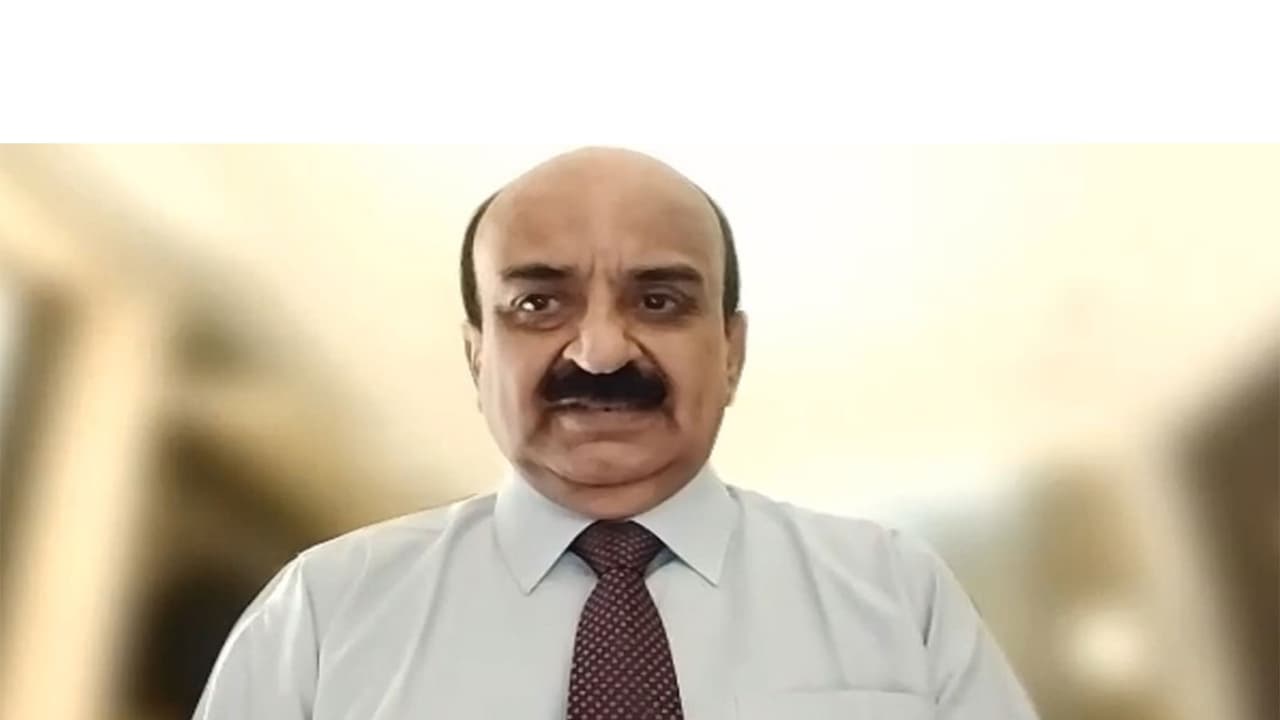
The Indian Medical Association (IMA) has strongly opposed the Andhra Pradesh government's decision to allow Ayurvedic doctors to perform surgeries, citing concerns about patient safety. Speaking with ANI, Dr Dilip P Bhanushali, President, IMA, said, "The IMA is definitely opposing this. It's not that we don't respect Ayurveda or Homoeopathy. They have their own science. But we want Ayurveda to be promoted in its original and pure form. Why should it be mixed with our modern medicine?... This will not only create many problems for patients, but it will also be a huge blunder... We will submit our memorandum and raise our objections..."
"This is going to play havoc in the lives of people. It's going to create a lot of problems; it takes 10 years for a modern medicine doctor (to perform surgeries). How is that possible? This is going to cause a lot of problems, " he said
Patient Safety Concerns
The Andhra Pradesh government has approved 58 surgical procedures for Ayurvedic doctors, including general surgery, ENT, and ophthalmology. The Indian Medical Association is deeply concerned regarding the recent developments allowing Ayurvedic practitioners to perform surgical procedures, a press release dated December 25 said.
"IMA has always stood for the welfare of medical professionals as well as the safety and well-being of the general public. While the Association respects all systems of medicine and acknowledges the role of Ayurveda and other traditional pathies in preventive and promotive healthcare, performing surgical procedures requires rigorous, structured, and specialized training that is integral to modern medical education"
"Surgery is not merely a procedural skill; it involves comprehensive knowledge of human anatomy, physiology, pathology, anesthesia, emergency management, and post-operative critical care, which are taught in depth during the MBBS and postgraduate surgical training programs. Allowing practitioners without equivalent training and exposure to perform surgeries poses a serious risk to patient safety and public health". (ANI)
(Except for the headline, this story has not been edited by Asianet Newsable English staff and is published from a syndicated feed.)