
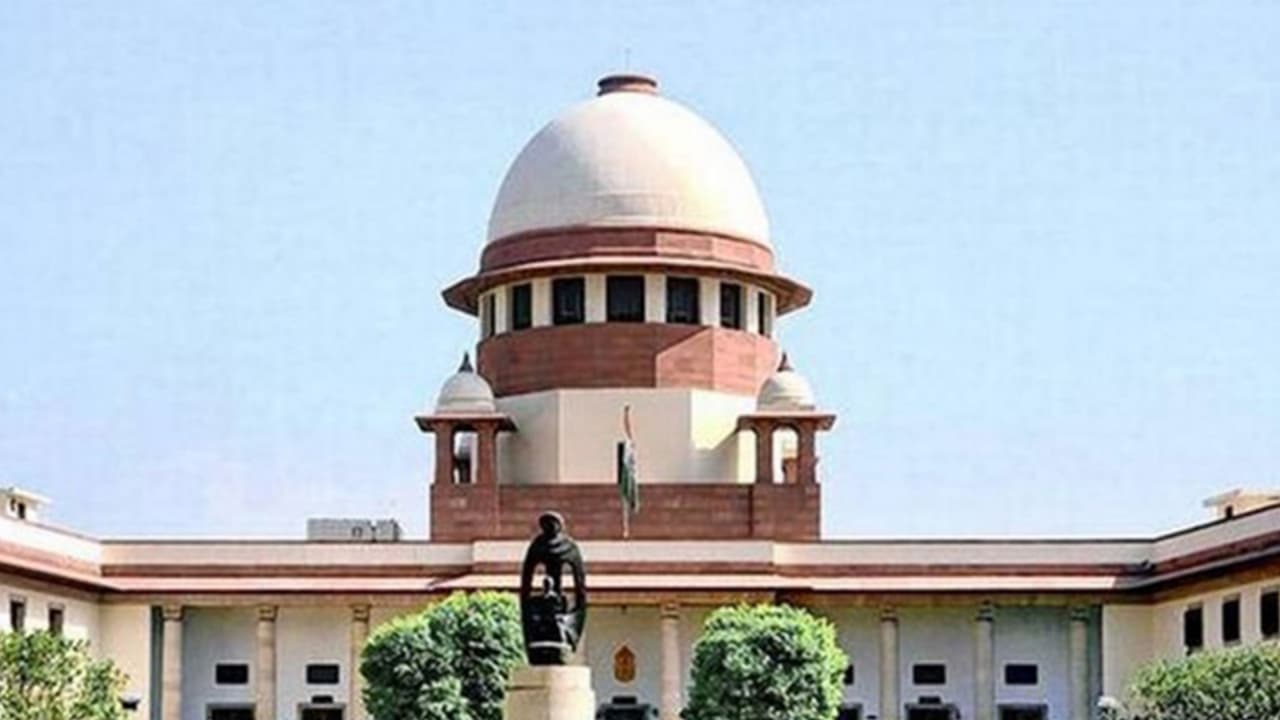
The Supreme Court noted the Jaipur Development Authority's absence in a case on illegal constructions. The court directed authorities nationwide to detail enforcement actions against violators and ordered quasi-judicial forums to clear pending cases.
JDA Fails to Appear in Supreme Court Hearing
New Delhi [India], June 1 (ANI): The Supreme Court has recorded that the Jaipur Development Authority (JDA) neither entered appearance nor filed an affidavit in an ongoing matter concerning unauthorised constructions, illegal land-use changes and enforcement of building regulations.
A Bench of Justices Ahsanuddin Amanullah and R Mahadevan noted submissions made by court-appointed amicus curiae Ajit Kumar Sinha that the JDA, despite being the authority responsible for town planning and land-use regulation in Jaipur, had not appeared before the Court. The amicus also informed the Bench that he had received several complaints from residents of Jaipur alleging violations of planning and building norms.
Taking note of the submission, the Court directed that one such complaint be forwarded to the amicus for examination and appropriate action. The Bench observed that authorities entrusted with town planning, sanctioning building plans, enforcing building bye-laws and regulating land use are required to respond in the proceedings. It clarified that such authorities cannot avoid participating in the case merely because another agency, such as a municipal corporation, has been made a party.
SC Demands Action on Violations, Not Just Surveys
The observations were made in a matter in which the Supreme Court is monitoring compliance with its directions relating to unauthorised constructions and illegal land-use changes across the country. During the proceedings, the amicus curiae submitted that affidavits filed by several authorities primarily detailed surveys conducted to identify violations but did not adequately disclose the action taken against violators after such surveys.
Taking note of the submissions, the Court observed that the material placed before it reflected widespread concerns regarding deviations from sanctioned building plans and violations of planning norms in different parts of the country. The Bench directed all respondents to file fresh affidavits detailing the enforcement measures taken after identifying violations.
The Court said the affidavits must be personally sworn by the heads of the concerned authorities and should specify action taken, including sealing, demolition or other measures permissible under law. Emphasising that merely identifying violations would not be sufficient, the Court said authorities must demonstrate concrete steps taken to enforce planning and building laws.
The Bench also directed statutory appellate authorities and quasi-judicial forums dealing with unauthorised constructions, land-use violations and related disputes to dispose of pending matters, as far as possible, within three months. (ANI)
(Except for the headline, this story has not been edited by Asianet Newsable English staff and is published from a syndicated feed.)