
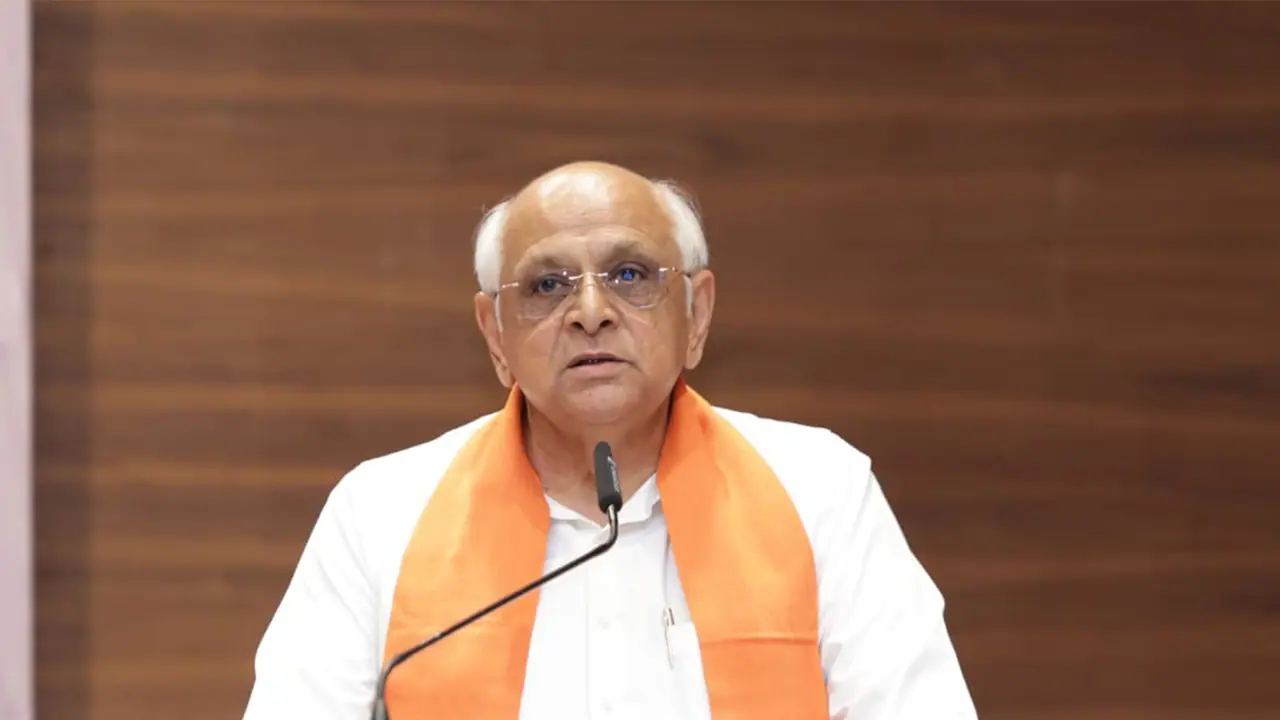
Gujarat, under CM Bhupendra Patel, leverages PM GatiShakti for tech-driven governance. A new digital platform has streamlined infrastructure NOCs, processing 11,000+ approvals and accelerating projects across multiple sectors.
With the completion of 12 years of Prime Minister Narendra Modi's leadership at the Centre, the 'PM GatiShakti National Master Plan' has emerged as a transformative initiative reshaping infrastructure development in the country. Under the leadership of Chief Minister Bhupendra Patel, Gujarat has effectively translated this initiative into a technology-driven governance model.
Streamlining Approvals with a Digital Framework
Projects that earlier remained entangled in inter-departmental approvals and paper-based processes are now advancing on an integrated digital platform in record time. Gujarat has adopted a GIS-based digital platform developed by BISAG-N, modernising and technology-enabling the entire infrastructure NOC approval system.
Through systems such as the maker-checker-approver model, e-approval framework, and real-time tracking mechanisms, 40 infrastructure-related NOC processes have been integrated into a unified digital framework. As a result, more than 11,000 infrastructure-related NOCs have been processed in record time. This digital system has made the approval process more transparent, faster, and accountable. Manual file movement has been largely eliminated, inter-departmental coordination has significantly improved, and the pace of moving projects from planning to execution has increased substantially.
Data-Driven Planning and Integration
Under PM GatiShakti, Gujarat has integrated more than 2,900 data layers, including over 1,500 state-level and 1,400 central datasets, enabling real-time GIS mapping of more than 2,400 upcoming and ongoing projects. These include 858 projects from the Narmada and Water Resources Department, 795 in the energy sector, 422 from Roads and Buildings, and 242 from Urban Development. Through API- and Web Feature Service (WFS)-based integration, departmental data is updated in real time, making planning, approvals, and monitoring more accurate, transparent, and effective. This model has strengthened coordination in infrastructure investment, accelerated project execution, and ensured last-mile connectivity.
Projects such as the South Coastal Corridor have reportedly seen significant reductions in both time and cost.
Enhancing Public Service Delivery
The impact of PM GatiShakti is now clearly visible in public service delivery.
Jal Jeevan Mission and Water Supply
The Gujarat Water Supply Board has geo-tagged 83,000 handpumps, over 5,000 sumps, and more than 3,000 Elevated Service Reservoirs (ESRs), digitising the management of Jal Jeevan Mission and rural water supply schemes for more effective monitoring and service delivery.
Healthcare in Remote Areas
Similarly, the Health and Family Welfare Department, using a 'Dynamic Gap Analyser Tool,' identified healthcare gaps in tribal and remote areas, leading to the approval of 13 Primary Health Centres (PHCs) and 5 sub-centres for 2024-26.
Improving Food Distribution
In Banaskantha district, special analytical tools facilitated approval of 14 new fair price shops across 15 underserved villages.
PM Poshan Scheme
The Education Department also reduced the process of identifying suitable land for centralised kitchens under the PM Poshan scheme from several weeks to just a few hours.
Revolutionising the Fisheries Sector
Under the PM GatiShakti initiative, Gujarat has set a new benchmark in technology-driven governance in the fisheries sector. The Fisheries Department, through the PM GatiShakti Gujarat platform, has developed India's first 'Digital Reservoir Management System', enabling end-to-end digital management of over 1,000 reservoirs. The system has significantly accelerated lease approval processes, improved revenue transparency, and strengthened participation of local fishermen. By promoting sustainable use of aquatic resources and accountable, technology-driven governance, Gujarat has established a strong model of digital administration.
Accelerating Industrial Development
PM GatiShakti is also accelerating Gujarat's industrial development strategy. The Rs 3,900 crore Bulk Drug Park being developed by the Gujarat Industrial Development Corporation (GIDC) in Jambusar, spread across 815 hectares, has been comprehensively master-planned on the PM GatiShakti platform. Using a 15-km influence area analysis, the platform helped precisely identify requirements related to road connectivity, utilities, and infrastructure, making planning faster, better coordinated, and outcome-oriented. The state government has set a target to complete the park's common infrastructure by March 2027. It is expected that this data-driven planning model will not only establish Gujarat as a leading pharmaceutical manufacturing hub in India but also further strengthen investment inflows, employment generation, and industrial self-reliance.
(Except for the headline, this story has not been edited by Asianet Newsable English staff and is published from a syndicated feed.)