
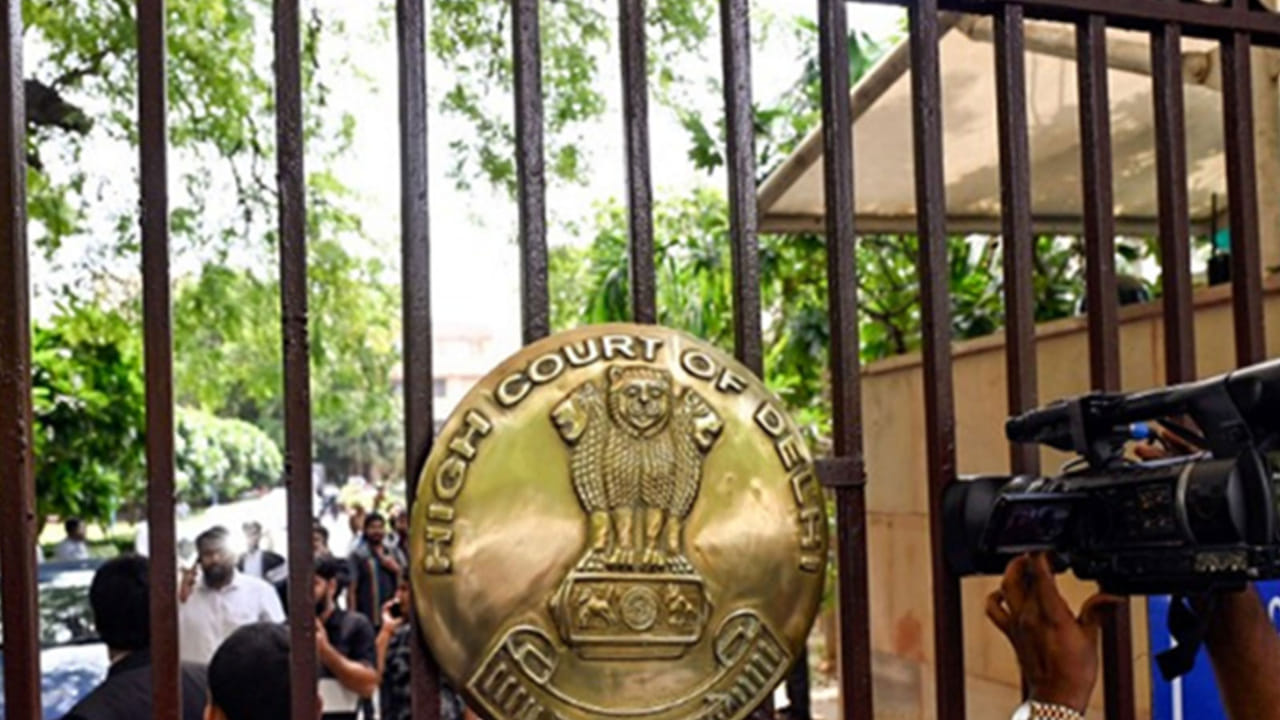
The Delhi High Court clarified that no interim relief was granted to restaurant associations, confirming that compulsory service charges remain illegal following the CCPA guidelines upheld by a single judge in March 2025.
Delhi High Court Denies Interim Relief on Mandatory Service Charges
The Delhi High Court on Thursday clarified that it has not given any interim relief to restaurants allowing them to continue charging mandatory service charges from customers, despite an earlier judgment declaring the practice illegal. A Division Bench of Acting Chief Justice Nitin Wasudeo Sambre and Justice Sanjay Sharma said that no interim protection had been granted to the restaurant associations against the March 28, 2025, judgment of a single judge, which upheld the guidelines issued by the Central Consumer Protection Authority (CCPA) banning compulsory service charges.
The clarification came after Additional Solicitor General (ASG) Chetan Sharma, appearing for the government, told the court that some restaurants were still making service charges compulsory for customers, contrary to the High Court’s earlier order. Sharma submitted that restaurants could not continue the practice when the single judge had already upheld the CCPA guidelines prohibiting hotels and restaurants from automatically adding service charges to food bills. Responding to the submission, the bench said that no interim relief had been granted to the restaurant associations in their appeals.
Background of the Dispute
The court was hearing appeals filed by the National Restaurant Association of India (NRAI) and the Federation of Hotel and Restaurant Associations of India (FHRAI) against the single judge’s March 2025 judgment. On March 28, 2025, Justice Prathiba M Singh dismissed the petitions filed by NRAI and FHRAI challenging the CCPA guidelines issued on July 4, 2022. The single judge ruled that restaurants cannot make service charges compulsory, even if the charges are mentioned on their menus.
The court held that service charges must be voluntary and customers cannot be forced to pay them. It also observed that collecting such charges without the customer’s consent amounted to an unfair trade practice under the Consumer Protection Act, 2019. The court had upheld the CCPA’s authority to frame guidelines to protect consumer rights and prevent unfair trade practices. It also imposed costs of Rs 1 lakh on the restaurant associations.
Arguments from Associations
In their appeals, NRAI and FHRAI have argued that collecting service charges is a practice followed by the hospitality industry for more than 80 years and should not be treated as an unfair trade practice. NRAI has contended that restaurants which clearly mention service charges on their menus and inform customers before they place orders should be allowed to collect them. The association has argued that service charges are not simply additional earnings for restaurants but are distributed among employees.










