
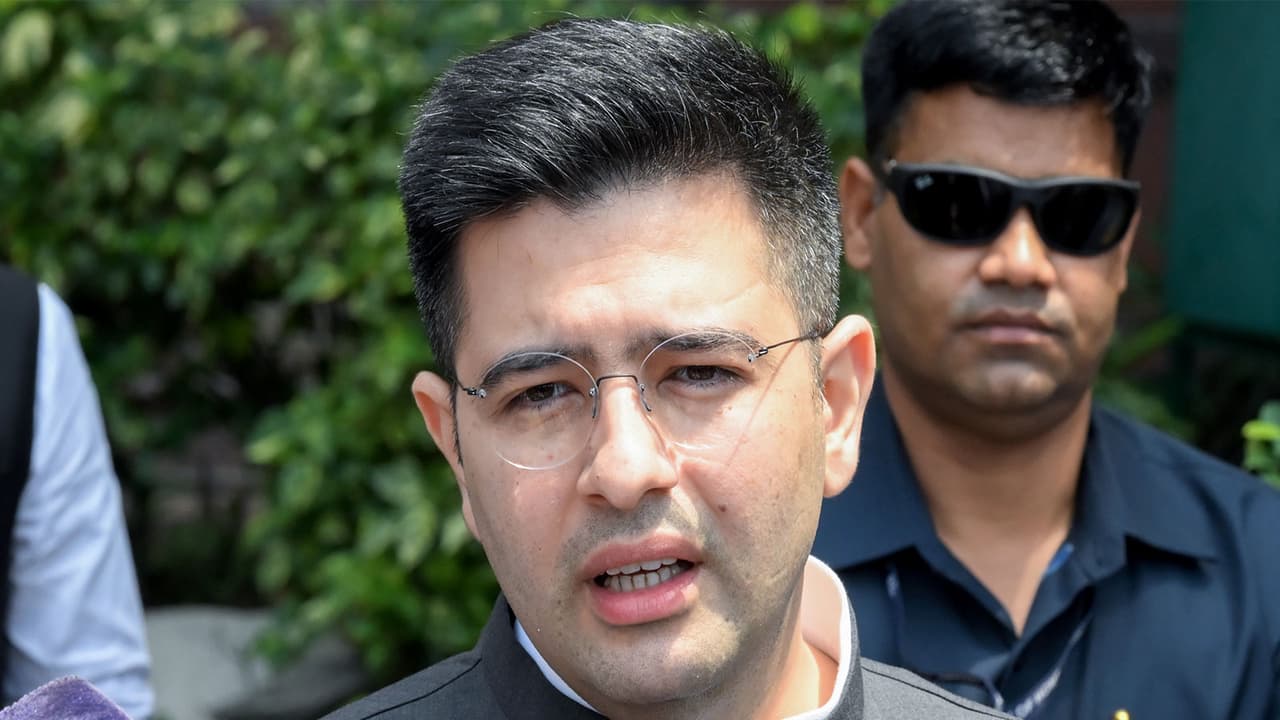
The Delhi High Court will soon deliver its verdict on Rajya Sabha MP Raghav Chadha's request for temporary protection from AI deepfakes. The court has weighed the thin line between defamation, personality rights, and legitimate political criticism.
Court's Observations on Political Criticism
Justice Subramonium Prasad had reserved orders on the interim application after hearing detailed submissions from lawyers. Recently, during the hearing, the Court observed that the material placed before it appeared, prima facie, to relate to criticism of a political decision rather than a straightforward case involving violation of personality rights.
The Bench remarked that political leaders have historically been subjected to satire and criticism, noting that such expression has long formed part of public discourse. The Court also observed that the distinction between defamation and legitimate criticism is often a fine one and emphasised the need to balance an individual's right to reputation and dignity with the constitutional guarantee of free speech under Article 19.
Chadha's Counsel Alleges Defamation
Senior Advocate Rajiv Nayar, appearing for Chadha, argued that the content circulating on social media was not merely political criticism but consisted of defamatory and profane posts portraying the MP as having switched political allegiance for monetary gain. He submitted that such AI-generated and manipulated content caused serious reputational harm and went beyond the limits of fair criticism.
Court Considers Broader Legal Questions
During the hearing, the Court also indicated that it may consider appointing an amicus curiae to assist on the broader legal questions arising from the matter, particularly those concerning the interplay between artificial intelligence, personality rights, freedom of speech and the right to dignity.
Meta Disputes Allegations
Counsel appearing for Meta submitted that several screenshots relied upon by Chadha were newspaper reports or otherwise innocuous material and disputed the allegations made in the suit.
Details of the Lawsuit
Chadha has approached the High Court seeking protection against the alleged unauthorised use of his image, likeness, voice and identity through artificial intelligence and digitally manipulated content circulated on social media platforms. He has sought directions restraining the creation and dissemination of AI-generated deepfakes, morphed videos, synthetic voice clones, fabricated speeches and other deceptive content allegedly using his persona without consent.
According to the suit, such content has the potential to mislead the public, damage his reputation and falsely attribute statements or actions to him.
Evolving Legal Landscape on AI
The case is among a growing number of matters before the Delhi High Court concerning personality and publicity rights in the era of artificial intelligence. In recent years, the Court has granted protection to several public figures against the unauthorised use of their names, voices and likenesses through AI-generated or digitally manipulated content, reflecting the evolving legal landscape surrounding emerging technologies. (ANI)
(Except for the headline, this story has not been edited by Asianet Newsable English staff and is published from a syndicated feed.)